
What You Can and Can’t Change in a Rental (Read Your Lease First)


I put in a request to the landlord before I moved into my first rental and he gave me his ok to paint the bedroom.
So I did, but nothing dramatic, just a soft grey that would fit in anywhere. I assumed his yes was a yes. In reality he meant yes on the condition I put it back to white when I went, a fact he only saw fit to bring up two years down the line as I was packing to leave.
He was standing in the doorway eyeing the grey wall with the kind of look I knew was prelude to a talk about my deposit.
I put it right. It was a weekend’s work. The grey showed through the first coat so I had to do it twice. When I was done I realised I had put more time and money into erasing it than the original job had been worth.
Then there was the matter of the heat in that apartment come summer. With the bedroom facing west you could hardly stand to be in it by afternoon. I had a wall unit put in, done properly, and it made all the difference. But moving out meant having it taken out and the wall plastered over.
The man doing the work came in at a price I didn’t anticipate and the landlord, after looking it over, wasn’t satisfied with the finish and held onto some of my deposit.
I even put in a word about taking down a wall to make one big room out of two small ones. He said no and he was well within his rights to do so. I get that, but for the rest of my tenancy I couldn’t help but wonder how it would have been without it.
In the end those three episodes were ”my education” in renting.
What is open to change, what you can alter if you are willing to put it back, and what is not negotiable.
Read the Lease Before You Do Anything

You’d think this is a no-brainer, but you can bet most of us put the fine print to one side.
Then again, leases are all over the map. One landlord will let you put up some paint with a nod; another won’t have it unless you have it in writing. Some won’t let you so much as touch the place. And there’s always the matter of what “normal” wear and tear is in their book, and how they want the unit back.
The bottom line is that the lease is what makes or breaks your deposit and tells you if you’re in violation. So do yourself a favor and read it before you make any moves. It’s the only way to be sure of where you stand.
And if the lease is silent on something you have in mind, put in a request to the landlord in writing and file away the reply. Don’t count on a handshake or a “sure” over the phone; when you get into an argument down the road, that won’t be worth the paper it’s written on.
What You Can Almost Always Do
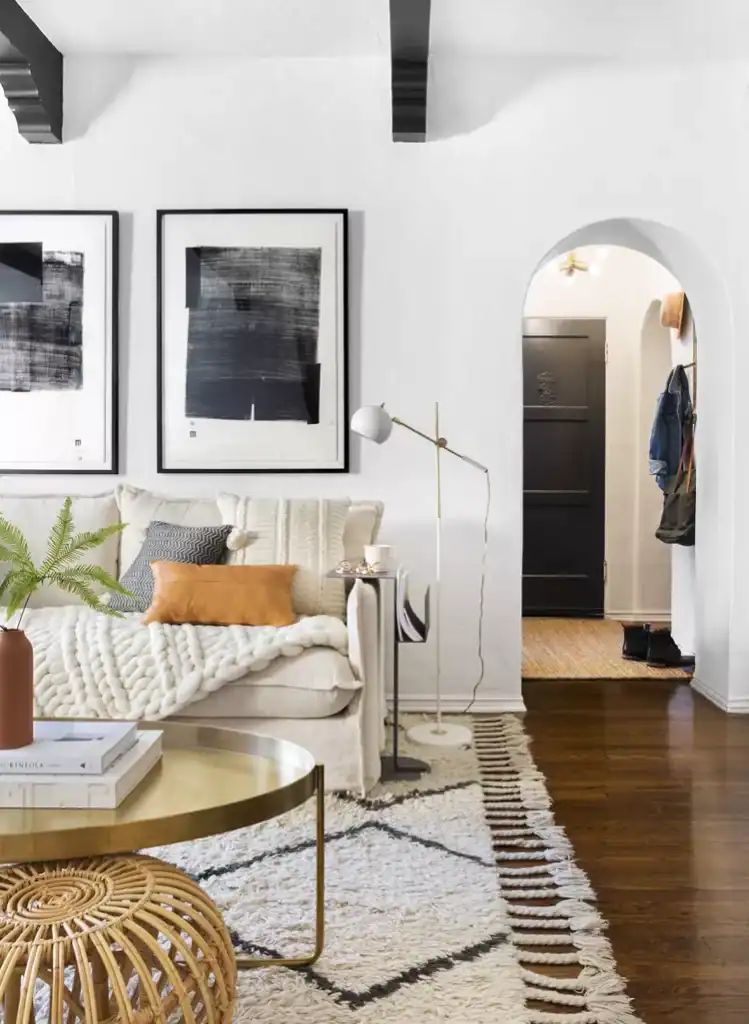
These changes are generally considered cosmetic, reversible, and within a renter’s reasonable right to make their space liveable. Most leases permit them and most landlords won’t object even if the lease is silent on the specifics.
Hanging pictures and artwork. Standard picture hooks and small nails for hanging art are generally acceptable in most rental agreements. Small nail holes are typically considered normal wear and tear rather than damage. Fill them with a little spackle when you leave and most landlords won’t notice or care.
Command strips and adhesive hooks are the renter’s best friend for this reason — they hold real weight, come off cleanly without damaging walls, and don’t require any conversation with the landlord at all.
Changing light bulbs. Your apartment, your light bulbs. Just keep the originals in a box somewhere and swap them back before you leave if they were anything unusual.
Adding rugs. Rugs over hard floors or existing carpet are completely reversible, add warmth and personality to a space, and protect the floor underneath at the same time. No landlord has ever objected to a rug.
Installing removable wallpaper. The removable peel and stick variety — not traditional paste wallpaper — has transformed rental decorating in recent years. Applied correctly it comes off cleanly without damaging the paint underneath. This is one of the most significant changes you can make to the look of a room without touching anything permanent.
Replacing shower heads and faucet aerators. Most leases don’t mention these at all. Keep the originals in a labelled bag and reinstall them when you leave. Nobody will ever know and your water pressure will be considerably better in the meantime.
Curtains and window treatments. As long as you’re using the existing curtain rods or tension rods rather than drilling new holes, changing curtains is completely reversible and dramatically changes how a room feels.
What You Can Do With Permission

These changes are possible in many rentals but require a conversation with the landlord first, ideally in writing.
Whether the answer is yes depends entirely on the landlord and the terms of your specific lease.
Painting walls.
You’ll get a straight “yes” from some landlords. Others will put strings on it.
Neutral tones are fine, but you have to put it back the way you found it when you move out. And then there are those who won’t have any of it.
My advice is to make sure you have it in writing. Also, be sure to get a swatch of the existing paint or at least have the landlord tell you what it is. There’s nothing like having to do a re-paint job only to discover the original was an off-white and not a true white — that’s a surefire way to end up in a tiff over your deposit.
🔥 Would you like to save this?
I learned that with my first place. A yes to painting doesn’t mean you can just leave it as is.
Mounting a television on the wall. This requires drilling into the wall, which means permanent holes that need to be patched on departure. Many landlords will agree to this because it’s a common, practical request. Get written permission, use proper wall anchors for the weight of the TV, patch the holes carefully when you leave, and this is usually straightforward.
Installing a dishwasher or additional appliances. If the kitchen doesn’t have one and you want one, a freestanding dishwasher that connects to the tap requires no modification. A built-in one requires plumbing work and almost certainly landlord permission. The freestanding version is always the easier conversation.
Adding additional storage or shelving. Freestanding shelves require no permission. Wall mounted shelves require holes and therefore permission. The difference between these two options is significant in a rental context.
What You Cannot Change

These are the structural and permanent changes that fall outside what a renter can do regardless of how much they want to and regardless of how reasonable the request might seem.
Removing or altering walls. I wanted to remove a wall in my first apartment. The landlord said no and he was right to. Walls in an apartment building can be load bearing — meaning they hold up the structure above — or they can contain plumbing, electrical wiring, or both. Removing a wall without an engineer’s assessment and building permits is not something a renter can or should do, regardless of what the landlord says. Even if a landlord said yes, the building’s owners or management company would almost certainly say no.
Installing a permanent air conditioning unit.
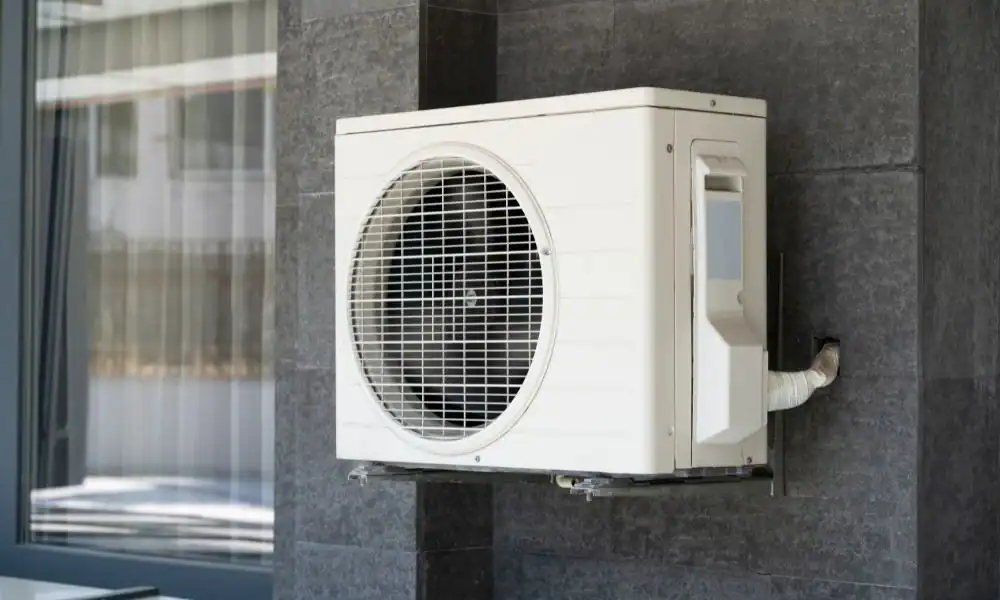
When I put in the wall-mounted split system for my first apartment, it meant putting some sizeable holes in the outside wall to run the refrigerant and the drain.
You can’t just make those vanish when you move out. I’ve been there; you can put a patch on them, but if you want to do it right you need a bit of know-how, and an experienced eye will spot it all the same.
For a place you’re renting, your best bet is a portable unit with the window kit. It’s not as good on efficiency as a split, but it’s a lot more sensible since you can put it back the way you found it.
Changing locks. Even if you want better security, changing the locks without landlord permission is typically a lease violation. Landlords are required to have access to the property in emergencies and changing the locks removes that access. Ask your landlord first — many will agree to a lock change if you provide them with a copy of the new key.
Removing built-in fixtures. Wardrobes, shelving units, kitchen cupboards — anything that came with the apartment and is fixed to the walls or floor is the landlord’s property and cannot be removed even if you don’t like it and even if you intend to put it back. The risk of damage during removal and reinstallation is enough reason to leave these alone.
Significant plumbing changes. Moving a radiator, relocating a sink, changing where a shower is positioned — these require professional tradespeople, building permits in most jurisdictions, and landlord permission as a bare minimum. In practice these are renovations rather than modifications and are not within the scope of what renters do.
The Deposit Question

When a tenancy is up and there’s a falling out with the landlord, it usually boils down to two issues 1) how clean the place is, or 2) what you’ve done to it.
The number one way a landlord will hold on to your deposit is for an unapproved change, or one they let you make but didn’t see put back in order. The only real counter to that is good documentation. I mean photos of every wall, floor and surface you can think of when you first walk in, and then again when you’re walking out.
Say there’s a scuff on the wall from before you got there; if you have a picture of it from day one, they can’t put that on you. Or if you were allowed to put up some paint and you’ve put it back to the way it was, having those side-by-side shots will save you in any kind of argument.
So do it. Put the photos in a folder and don’t lose them. It’s the best way to cover yourself, and for some reason, most people just don’t.
My Final Thoughts
When I finally vacated the apartment, you would have been hard put to tell it was anything but the place I had first moved into. The grey in the bedroom was white once more and any holes left by the air conditioner were so well plastered over they might as well have never existed.
The landlord had his property back in its original state and I was able to recover my deposit, or at least the bulk of it.
I didn’t get back the weekend I put in repainting that room, nor did I see the money for the plasterer again.
But don’t take this to mean you shouldn’t put your own stamp on a rental. You should. You are going to be living there after all, and it ought to feel like a place of your choosing, not one you just happened to end up in.
My point is simply to make sure you know what you’re in for before you start painting or knocking things around. Reversing a change will set you back more than it cost to do in the first place.
That’s enough from me for now. Do you have a story about a tiff with a landlord over some modification?
Or perhaps you’ve come up with a neat way to solve a rental issue that I haven’t covered?
Let me know in the comments.
Until next time,
Stay safe,
Tasos

I’m Anastasios Moulios, co-founder of DIY Cozy Living. I enjoy finding creative, practical ways to make small spaces feel warm, stylish, and lived-in. I started this blog with Katerina to share real ideas that make a home feel a little more personal and a lot more comfortable.
