
17 Japandi Nursery Ideas You’ll Wish You Found Sooner!

🔥 Would you like to save this?
All an expecting parent longs for is a dedicated, organized, and peaceful environment where they can bond with their newborn easily without feeling stressed by visual clutter.
That’s why building a nursery around the Japandi aesthetic, a thoughtful, architectural blend of Japanese craftsmanship and Scandinavian coziness, has become immensely popular.
However, many people don’t want to spend thousands of dollars buying imported designer furniture or hiring contractors to build custom white-oak built-ins, only to have their toddler outgrow the room in three years.
Probably you feel that a minimalist room will just look like a cold, uninviting box, or that trying to maintain a high-end architectural look is impossible with a baby.
This is a completely logical thought. But modern Japandi nursery designs are incredibly warm, tactile, and highly adaptable to a growing child. It is not just about painting the walls beige; it is about intentional textures, deeply grounded furniture, and smart spatial flow.
There are multiple ways available through which you can carve out a stunning, cohesive lifestyle using this exact design philosophy.
But, how exactly can we do it? Let’s dive in!
The Architectural Foundation
Creating the Japandi look requires manipulating the walls, floors, and natural light before a single piece of furniture enters the room.
You are aiming for a space that feels deeply grounded and ancient, rather than a sterile white box.
1. Roman Clay and Tadelakt Finishes
Standard flat drywall feels highly sterile and reflects light harshly. To get that ancient, wabi-sabi atmosphere, apply a Roman clay or faux-Tadelakt finish to the walls.
Unlike basic interior paint rolled on with a nap roller, these finishes are applied with a putty knife. This creates subtle, sweeping organic movements across the wall. As the natural light shifts throughout the day, the walls almost look like soft, mottled suede.
- The Benefit: It absorbs sound better than flat paint.
- The Application: Requires a primer, two thin coats applied with a flexible trowel, and a topcoat sealer to make it wipeable for sticky toddler fingers.
2. Shoji-Inspired Sliding Window Screens
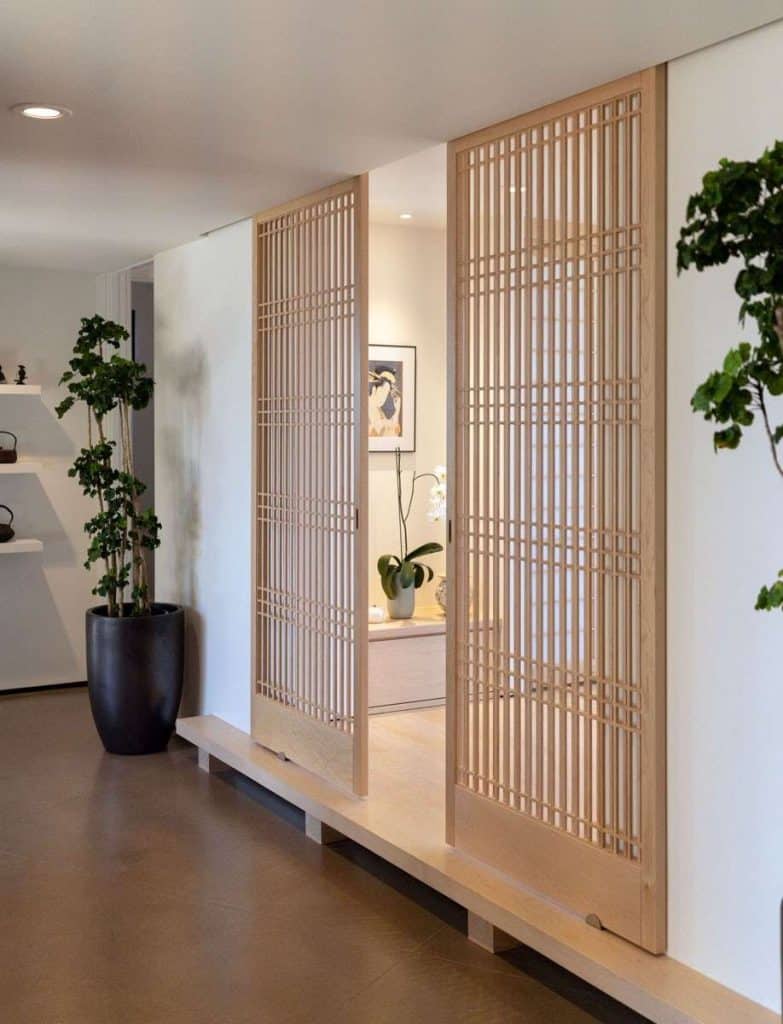
Heavy blackout curtains collect massive amounts of dust and can pose a pulling hazard as your baby becomes an active toddler.
Design Tip: Instead of fabric, install interior sliding wooden frames fitted with frosted acrylic or heavy, reinforced rice paper over your window trims.
They mimic traditional Japanese Shoji screens perfectly. This completely eliminates the need for dangling blind cords while turning harsh afternoon sunlight into a soft, diffused glow that won’t wake a napping baby.
3. Slatted Ceilings (Leaving Walls Bare)
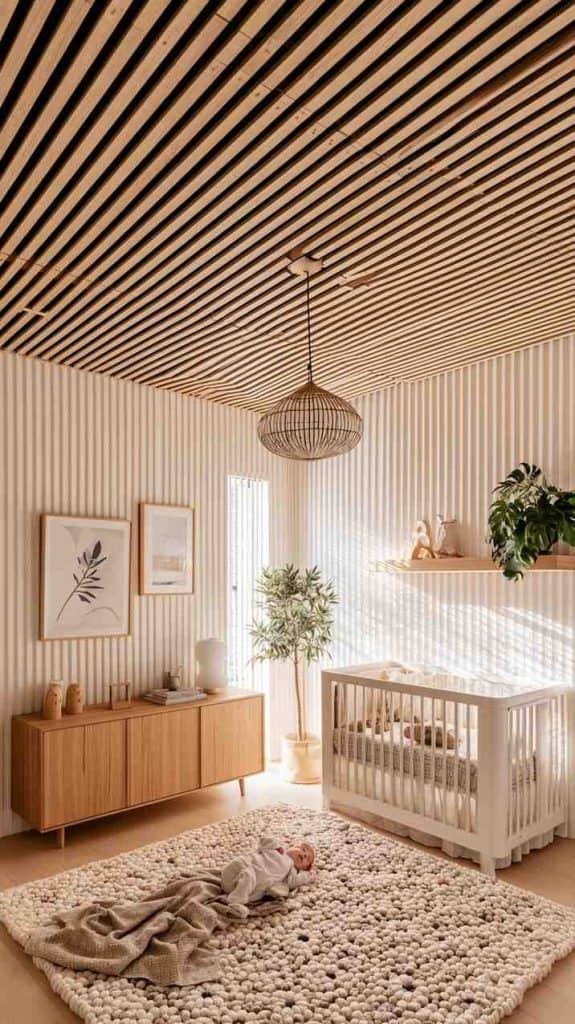
Everyone puts acoustic wood slats on the wall, but in a small 10×10 nursery, that can sometimes feel visually heavy and boxy.
Move the slats to the ceiling.
A slatted white oak or cedar ceiling draws the eye entirely upward, making the room feel like a treehouse canopy.
This architectural trick leaves your wall space completely clean and open, allowing the room to breathe while still injecting massive amounts of natural wood texture.
4. Real Rush Grass Tatami Mats
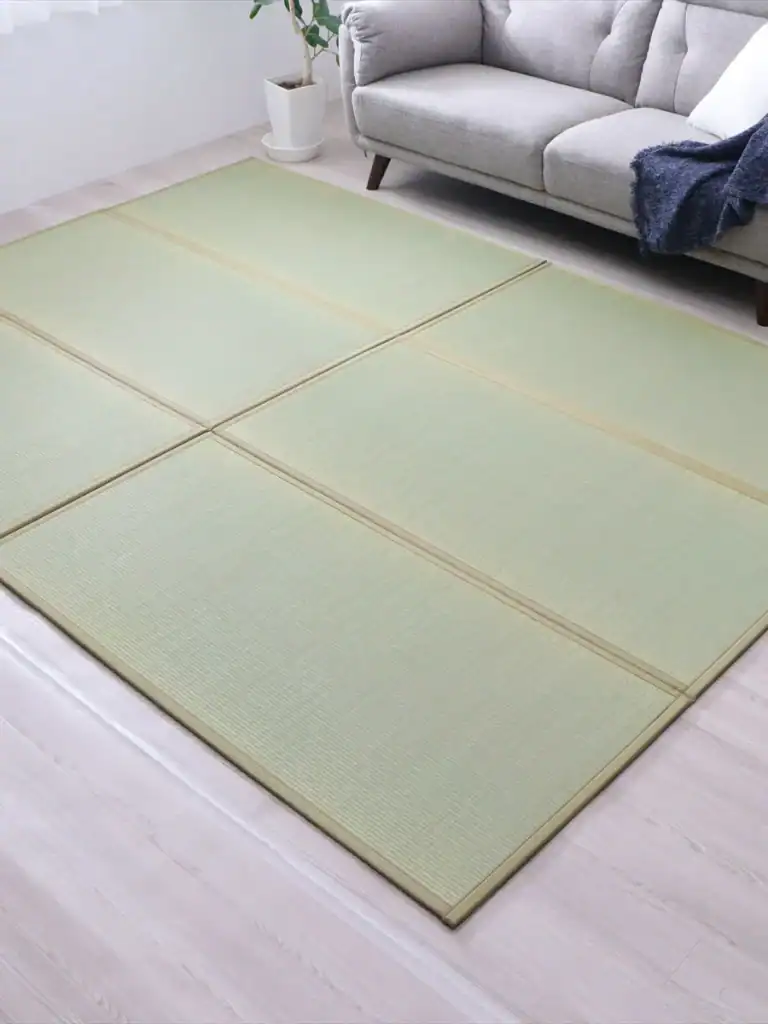
If you have hard floors, skip the standard synthetic polyester play rugs that off-gas VOCs. Source authentic Japanese tatami mats made from woven rush grass.
Lay them out to create a dedicated, raised floor-play zone. They provide a firm but yielding surface that is absolute perfection for a baby learning to crawl. Furthermore, the natural, earthy scent of the dried grass brings the outdoors directly into the room, engaging your baby’s olfactory senses naturally.
Intentional, Grounded Furniture
Minimalism only works when the few items you do have are beautifully crafted. In Japandi, the furniture should act as functional art.
5. Exposed Joinery on Low-Profile Cribs
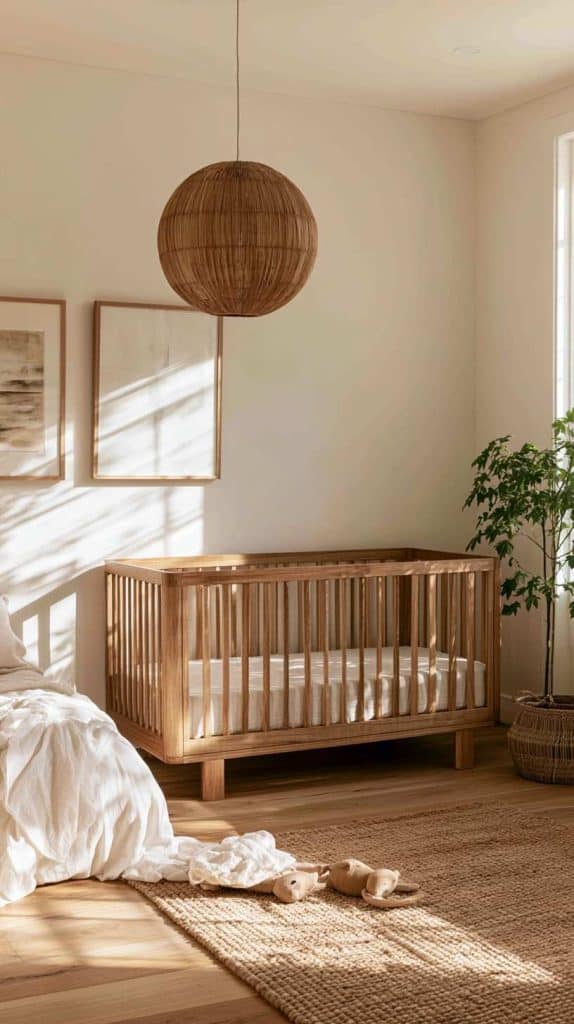
When selecting a crib, look closely at the craftsmanship. Seek out designs featuring exposed mortise and tenon joints or wooden dowel pins rather than visible metal screws and plastic brackets.
A low-slung, solid wood crib that showcases exactly how it was built honors the Japanese dedication to honest woodworking. It feels incredibly sturdy and anchors the room without needing bulky sleigh-bed curves.
6. The “Kuro” (Dark Japandi) Contrast
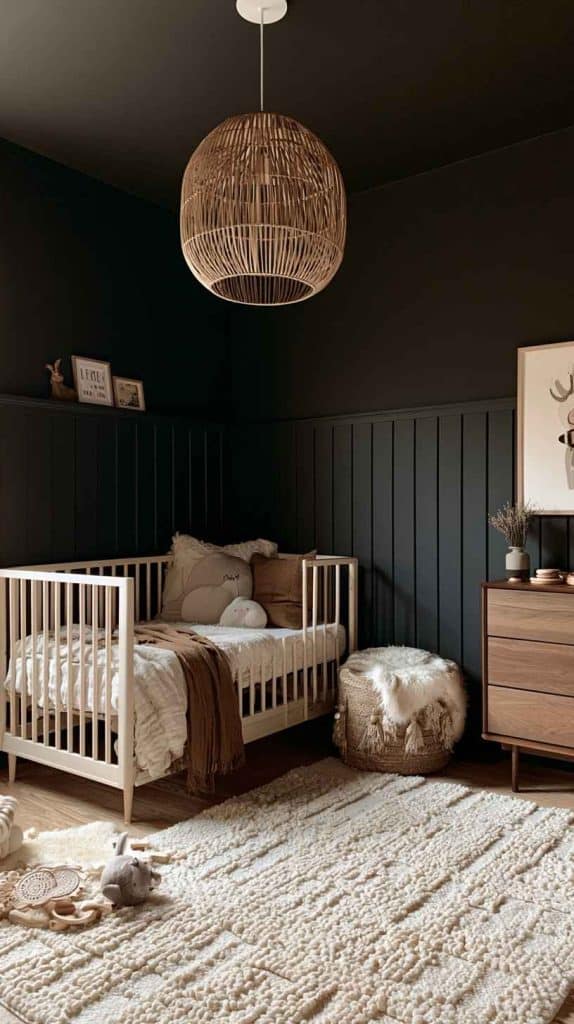
Japandi does not mandate pale ash wood everywhere. The “Kuro” (black) style of Japandi is incredibly striking for a nursery.
| Element | Pale Japandi | Kuro Japandi |
| Wood Tones | Birch, White Oak, Ash | Walnut, Smoked Oak, Teak |
| Wall Color | Warm White, Sand | Deep Charcoal, Olive |
| Vibe | Airy, bright, morning energy | Cozy, cave-like, sleep-inducing |
Pairing deep, moody charcoal walls with warm walnut furniture mimics the feeling of a cozy, dark cave, which is biologically exactly what babies need to sleep deeply.
7. Tansu Step-Chests (Kaidan-dansu)
Instead of a standard, boring bookshelf, look for a traditional Japanese Tansu chest shaped like a staircase.
These modular wooden cabinets feature a highly practical mix of small drawers, sliding doors, and open shelves. They are visually stunning and incredibly practical for organizing tiny baby items.
- Bottom drawers: Heavy swaddles and sleep sacks.
- Middle sliding doors: Diapers and wipes (hidden from view).
- Top open shelves: Beautiful wooden toys and beloved books.
8. Floating Vanity-Style Changing Stations
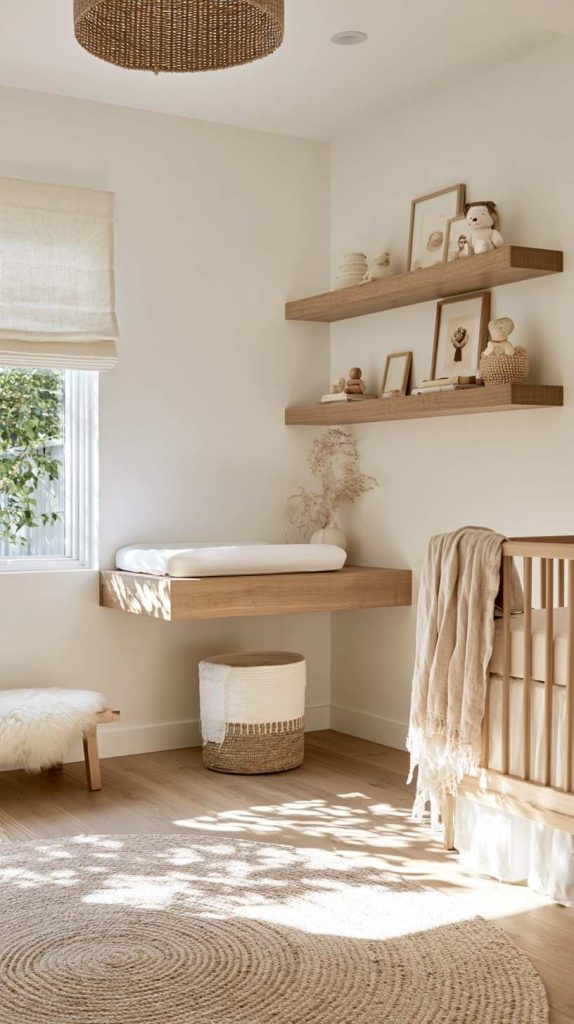
To maximize floor space, bolt a heavy, solid-slab wood changing table directly into the wall studs, completely omitting the legs.
Leaving the space underneath entirely clear allows light to pass through the room unbroken. You can tuck a beautiful woven hamper underneath, but the visual weight of the room remains incredibly light.
9. Integrated Hardware and Soft Pulls
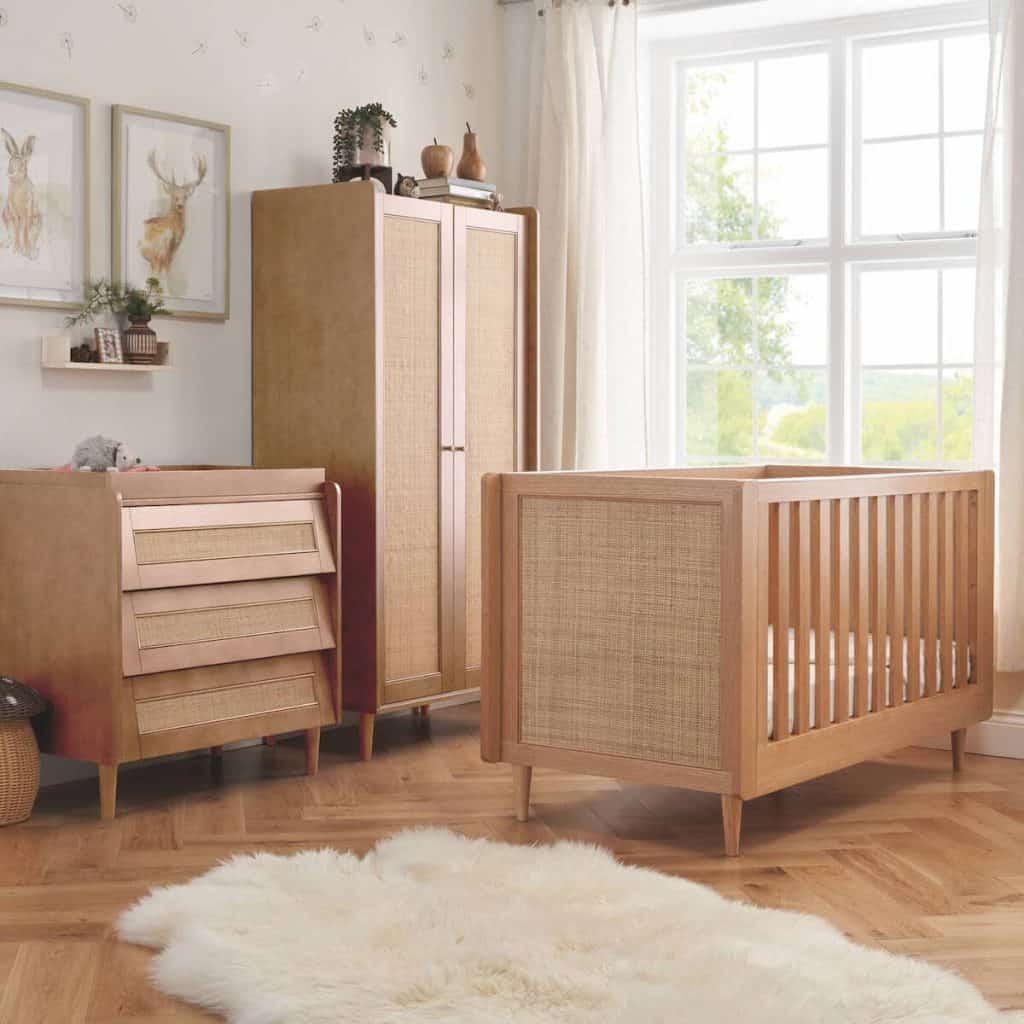
Metal knobs and sharp drawer pulls disrupt the visual flow of a piece of furniture and become a serious hazard when a toddler starts running.
Choose dressers that feature integrated, routed finger-pulls carved directly into the wood face.
If you must have hardware, swap out metal knobs for soft, thick leather loops that are impossible to bump a head against.
10. The Floor-Living Nursing Corner
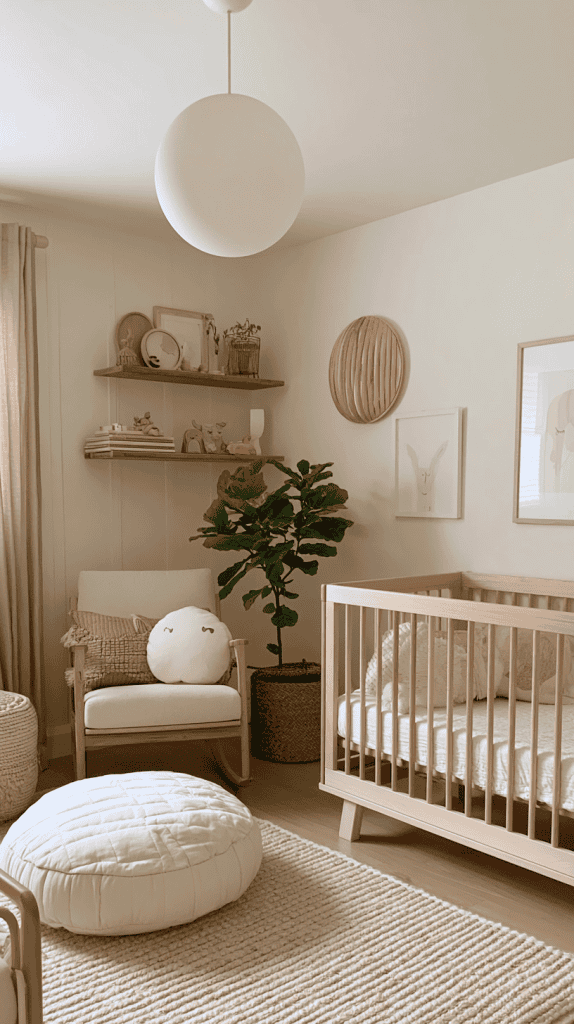
While a rocking chair is standard in the West, Japandi heavily embraces floor living.
Pair a highly structured, low-to-the-ground nursing chair with a massive, quilted Zabuton (Japanese floor cushion).
This allows you to sit comfortably on the floor at your baby’s level during playtime, creating a highly tactile, grounded zone for bonding rather than hovering above them.
Lighting and Atmospheric Textures
The final layers of a Japandi room rely heavily on tactile friction—mixing rough with smooth, and light with shadow.
11. Shibori Indigo Accents
If an all-neutral beige room feels too washed out or sterile, introduce deep blue.
Shibori is a traditional Japanese manual tie-dyeing technique that results in rich, organic indigo patterns.
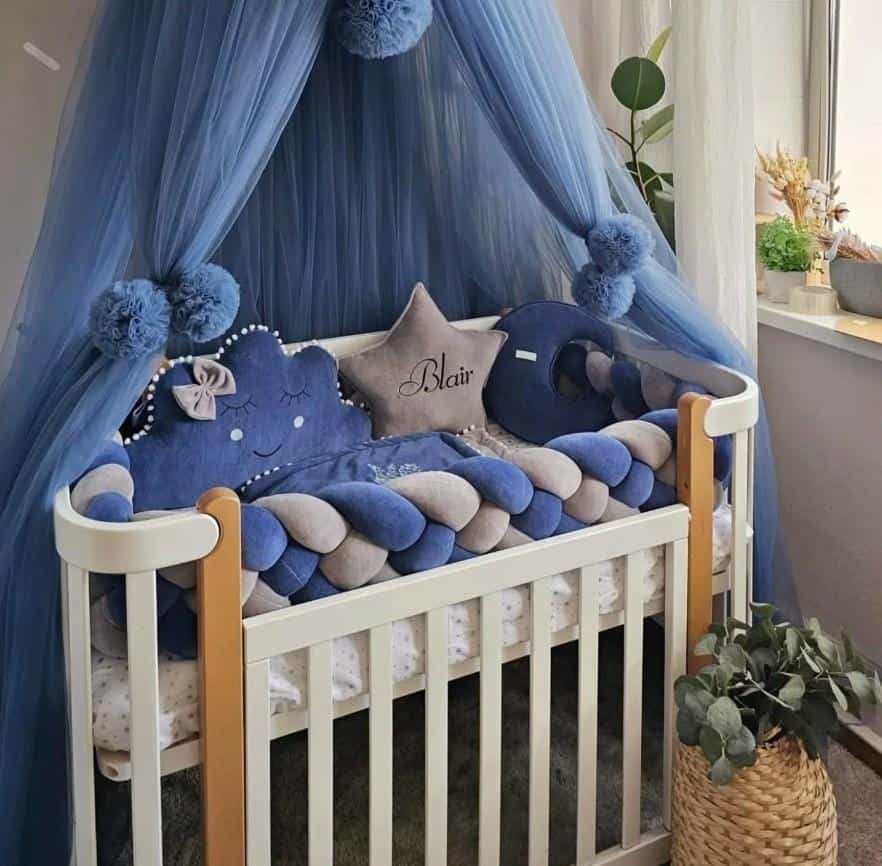
A Shibori dyed linen throw blanket draped over the nursing chair, or deep indigo crib sheets, provides a grounding pop of color that still feels profoundly earthy and natural.
12. Kinetic Bentwood Mobiles
Ditch the plastic, battery-operated mobiles that spin wildly and play tinny, electronic music.
Why it matters: Electronic mobiles often overstimulate babies right when they should be winding down for sleep.
Hang a purely kinetic mobile made of incredibly thin, steam-bent wood or origami cranes folded from heavy cotton paper.
Suspended by invisible fishing line, these catch the natural air currents in the room, providing slow, silent, organic movement for the baby to watch peacefully.
13. Kokedama Suspended Greenery
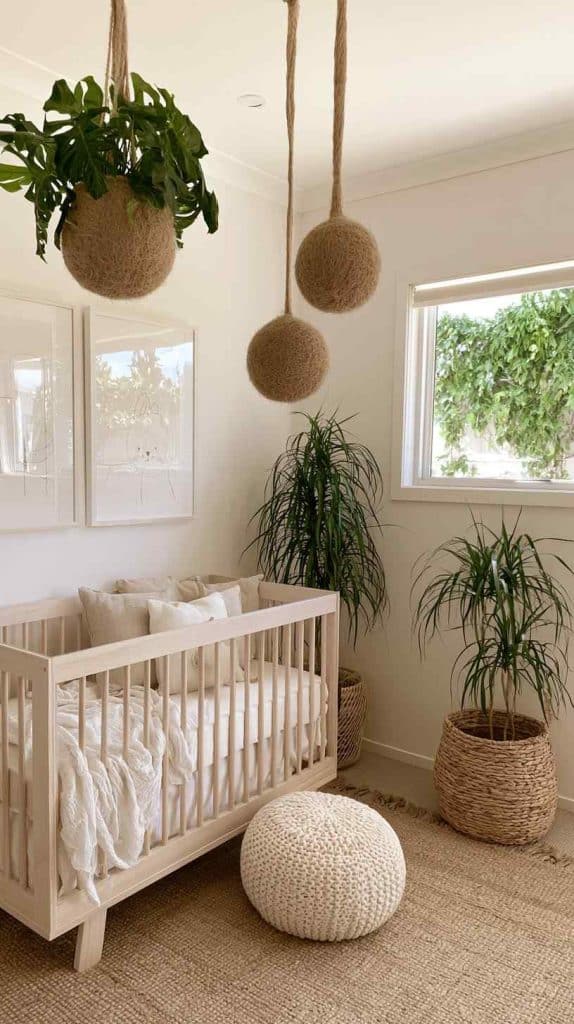
Plants are essential to the Scandinavian love of nature, but floor pots are a nightmare once your baby starts crawling and eating dirt.
Introduce Kokedama—a Japanese botanical art where the plant’s roots are bound in a sphere of moss and twine.
Suspend these moss balls from the ceiling in the corner of the room. It brings crucial life and air-purification into the space without taking up a single inch of floor space.
14. Sashiko Stitched Play Mats
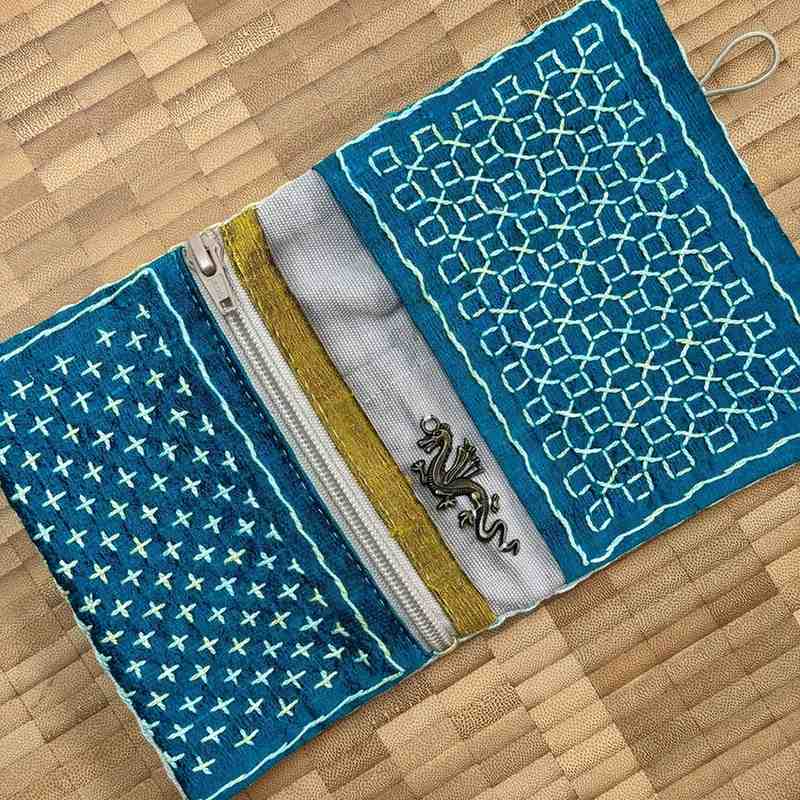
Texture is exactly how minimalists decorate without creating clutter. Look for quilts or play mats featuring Sashiko stitching.
- It is a traditional form of Japanese embroidery using a simple running stitch.
- It creates highly tactile, geometric patterns over indigo or unbleached linen.
- It reinforces the fabric, making it incredibly durable for years of tummy time.
15. The Spun-Silk Pendant Drop
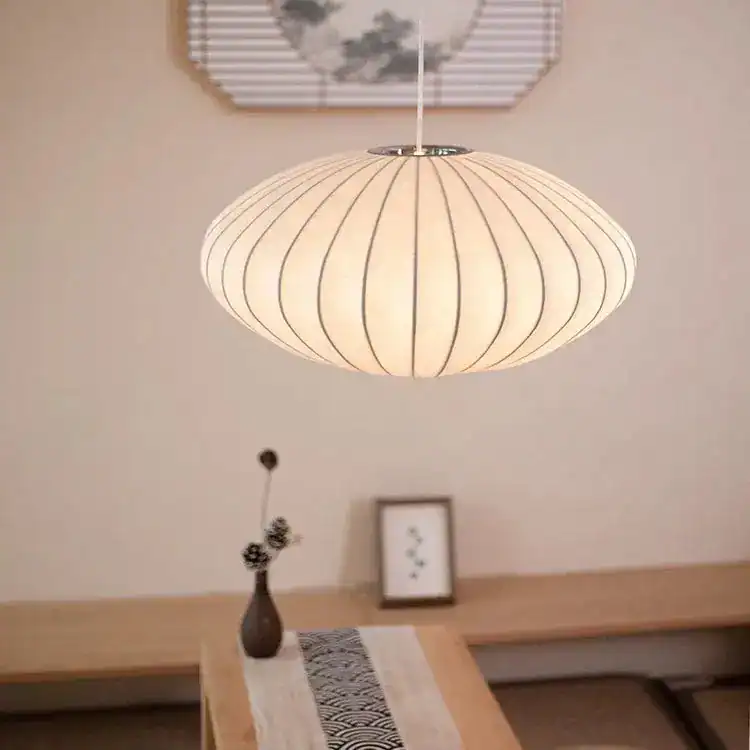
While Noguchi paper lanterns are the go-to Japandi staple, a spun-silk pendant light offers a slightly more elevated, durable alternative.
A wide, saucer-shaped silk shade hanging from a simple raw brass canopy diffuses the harsh bulb light into a warm, ambient glow that softens the entire room.
16. Noren Doorway Curtains
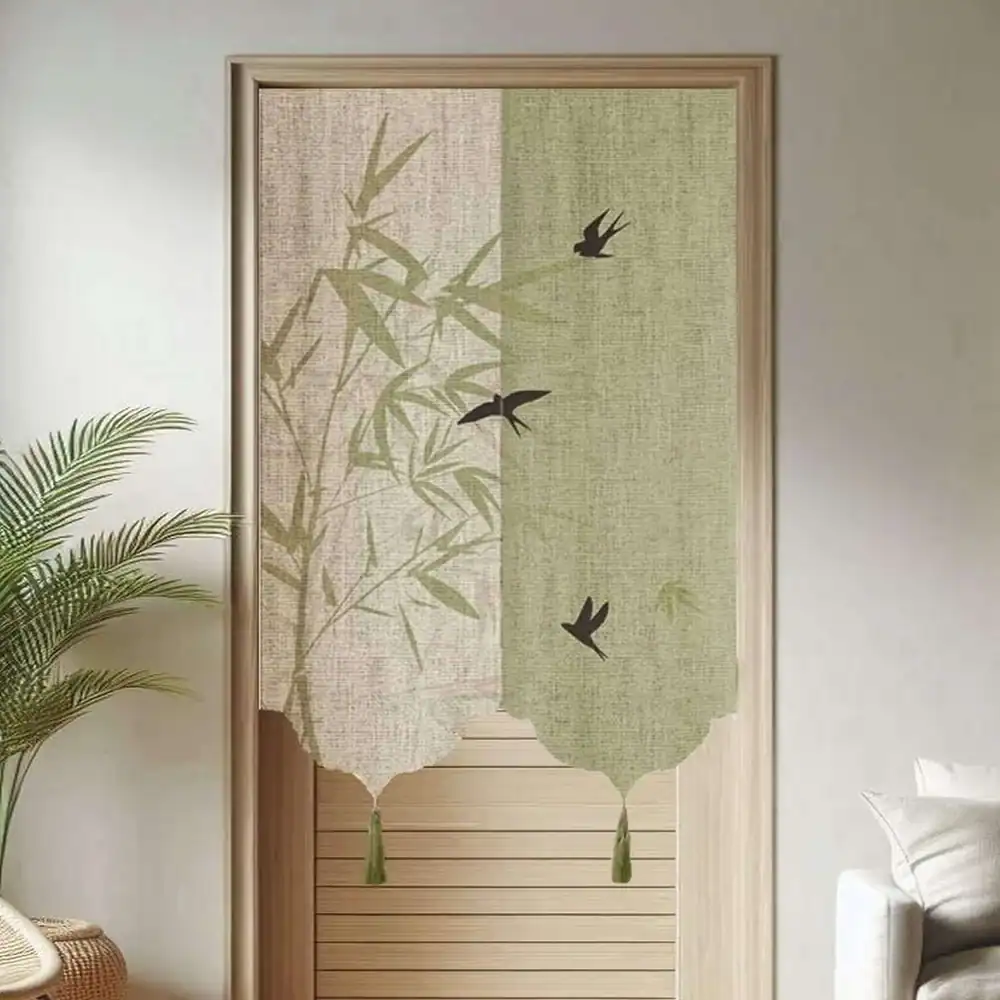
If you want to keep the nursery door open during the day for airflow, but still want to visually section off the space for naps, hang a Noren.
These are traditional, split fabric dividers hung directly in doorways.
A heavy, linen Noren gently swaying in the hallway breeze provides a beautiful architectural transition into the nursery, blocking line-of-sight without sealing off the room.
17. Furoshiki Fabric Art (Acoustic Dampening)
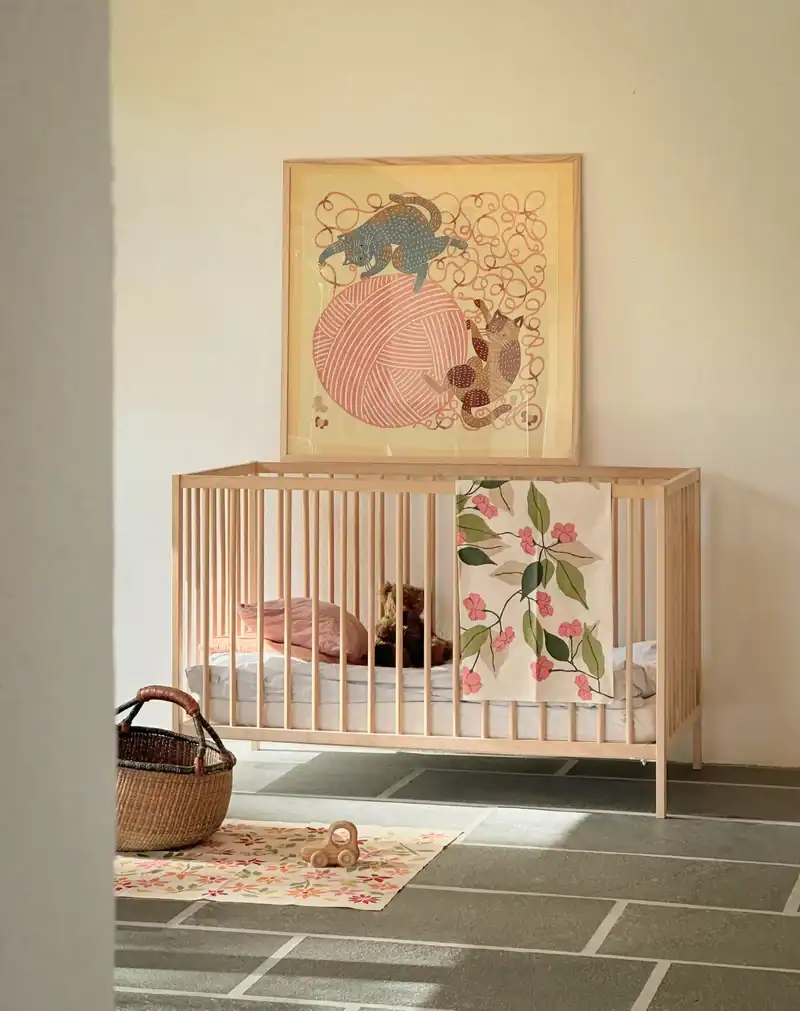
Framed posters behind glass can cause dangerous glare and feel highly sterile.
For wall art, stretch beautiful pieces of Furoshiki (traditional Japanese wrapping cloths featuring botanical or geometric prints) over blank wooden canvas frames.
The fabric acts as a subtle acoustic dampener to soften echoes in the room, and provides a soft, matte visual texture that shiny glass frames simply cannot replicate.
What Kind Of Results to Expect?
The Japandi design process is the best way to manage your baby’s room layout because it causes zero harm to the home’s flow and keeps the space beautifully organized through smart spatial planning.
Techniques such as installing Tadelakt walls, sourcing Tansu step-chests, and layering Sashiko textiles will make your nursery look beautifully curated and professionally designed.
Depending on your daily routine, the styling you choose will give you great results.
Obviously, don’t expect miracles.
None of these design methods is able to magically make your baby sleep completely through the night if they are teething, nor will they stop diapers from being messy.
In short, the aesthetic results for your nursery will be ok, but nothing spectacular if you build a beautifully crafted room but refuse to ever declutter the inevitable influx of brightly colored plastic toys that well-meaning relatives buy.
Please remember this because we don’t want you to get disappointed if the room feels chaotic when life gets busy.
However, you can expect excellent results from these specific design choices because the calming aesthetic is tried, tested, and guaranteed to elevate your daily routine!
To Sum Up
Japandi nursery ideas can organize and decorate your baby’s room good enough.
Choose the interior finishes as per your specific room size so that the materials match your specific daily needs. Decorate your layout naturally, and set your family free from loud, overstimulating rooms.
But, remember these techniques will not have impressive results, you won’t see extreme minimalism, and the flow will be ruined if you start randomly mixing in massive, bulky plastic furniture that fights the serene aesthetic.
This doesn’t mean that you should give up on a beautiful nursery if you don’t want to.
But, we have to let you know which are the pros and which are the cons of a Japandi room so that you form your own opinion on this topic.
Our personal take is that if you just want a serene, calming environment, your budget is focused on high-quality basics, and you hate feeling visually overwhelmed, go ahead and strictly follow this beautiful minimalist aesthetic.
On the other hand, if you strictly prefer loud, brightly colored, maximalist cartoon-themed rooms, then better use a different decorating style altogether.
That’s really it!
We really hope you found our article helpful and that you feel inspired to create a peaceful sanctuary for your little one.
If you have any questions, feel free to write them in the comment section below and we will be more than happy to help.
Are you ready to design your dream nursery today?
Until next time,
Stay safe,
Tasos & Katerina

I’m Katerina Lithopoulou, co-creator of DIY Cozy Living. I’ve always loved the little things that make a space feel special. With a background in language and a passion for photography and cozy design, I enjoy turning everyday inspiration into simple ideas people can actually use.
My motto: “Cozy isn’t a trend — it’s a feeling.”
