
How to Keep Your House Cool Without Cranking the AC (Tricks That Actually Work)

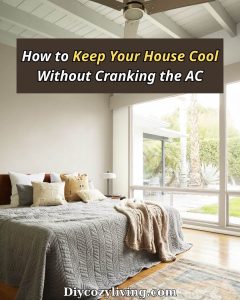
Every summer I find myself at odds with one room in the apartment. The bedroom, to be precise. It was my parents’ before us and it is where you get the full brunt of the afternoon sun. By evening we come back to a space that has been soaking up heat all day and is not about to let go of it; even as the rest of the place cools off after the sun has set, this room will still be holding on to its warmth. In July, stepping inside at eight o’clock is like entering an entirely different climate.
We used to put the air conditioning to work to fix it, cranking it down and leaving it on longer than was sensible. The room would become liveable enough, but then there was the end of the summer bill to contend with, which never failed to put a particular look on Tasos’s face.
Lately I have been making an effort to see what really does any good. I wanted to move past the sort of advice people give out because it sounds right and find what the research says actually makes a difference. Some of it has been an eye opener, some has borne out my own suspicions, and I discovered one much vaunted trick from the internet to be of very little use. This is the real story of what works and what is just folklore.
The Two Things That Matter Most
Let’s put aside the rest for a moment and look at what the data on passive cooling says are the two most important factors.
Take a University of Oregon study, for instance. They put a west-facing apartment through its paces in a model of a hard heatwave, trying out various ways to shade and ventilate it. What they found was plain to see: if you put up some shade in the afternoons and let the place breathe at night, you can get through a three-day swelter without ever turning on an A/C. Even the researchers were taken aback by the magnitude of it.
That’s where we start. The rest of what you’ll read here is just to add to those basics, not to do their job for you.
Shading — Timing Matters More Than People Think
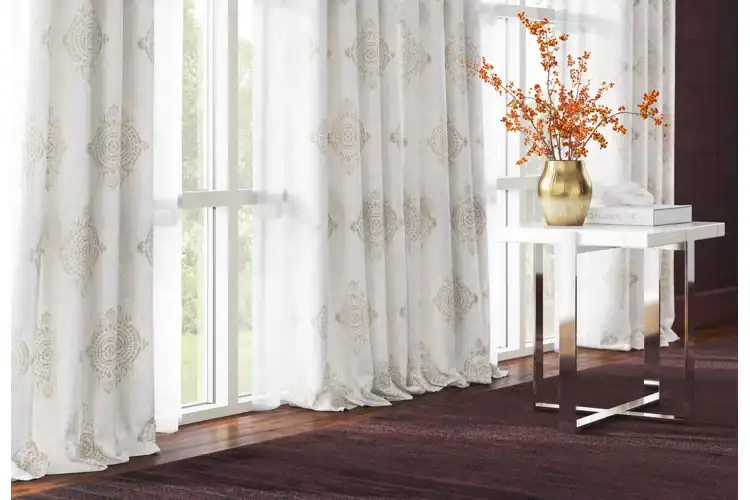
Put the blinds or curtains up in any room where the sun is going to be, and do it on your own time, not after you’ve let the place get warm.
In our bedroom that looks west, we have the blinds down by early afternoon. The point is to stop the heat from coming in, not to try and cool a room that’s already done so. Once the walls and furniture have taken in the sun’s warmth, you’re not getting much out of it.
There’s some data to back this up. While you can’t beat a good set of thick outdoor shades for performance, a pair of regular indoor ones will do the job if you put in a little effort. Make sure there are no gaps; if hot air can make its way around the sides of a blind, it’ll radiate into the room anyway. You can fix that with some side tracks or by having your curtains overlap the frame a bit.
Don’t overlook the colour either. If you have a white or light-toned blind facing the window, it’s going to turn away more of the sun’s heat than a dark one would.
Night and Early Morning Ventilation
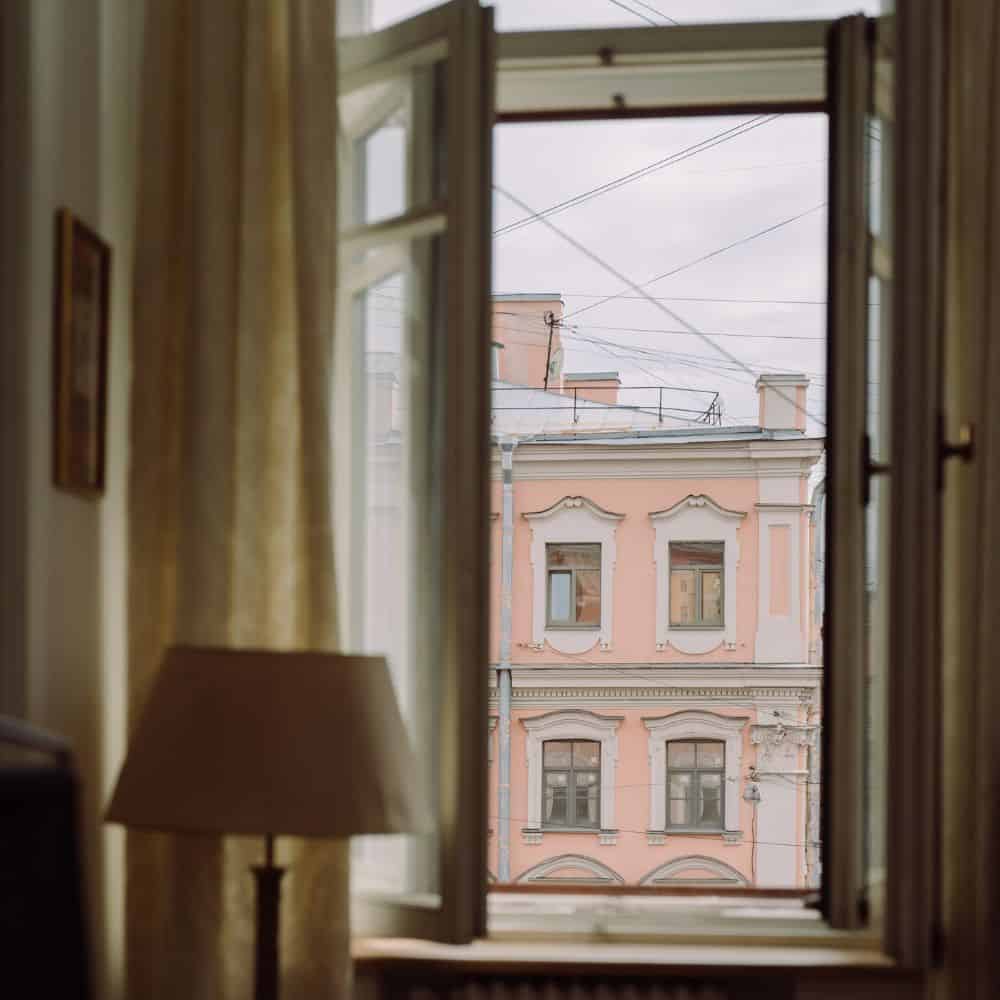
You could call this the other side of the coin, and it’s where most folks go wrong.
The idea is to have your windows open in the cooler part of the day, from late at night on in, so you can push the warm air out and make room for what’s outside. Then, when the temperature begins to rise — usually by mid-morning — you put them back in place.
I see a lot of people do the reverse: they’ll crack a window in the middle of the day for some relief, or leave them shut at night because it doesn’t seem to make sense to let in the cold when you want to be cool. But that’s not how it works. Once the sun is up and the air is hot, an open window is only going to let more of it in.
Here in our apartment we’ll have the windows up from about 11 p.m. to 8 or 9 a.m., give or take, based on the night. After that, we close them, lower the blinds and let the place keep in the chill for as long as we can.
It also helps if you can get some cross-ventilation. Open a couple of windows on different sides of the living space and you’ll notice the difference. Air has to have an outlet.
Fans — What They Actually Do
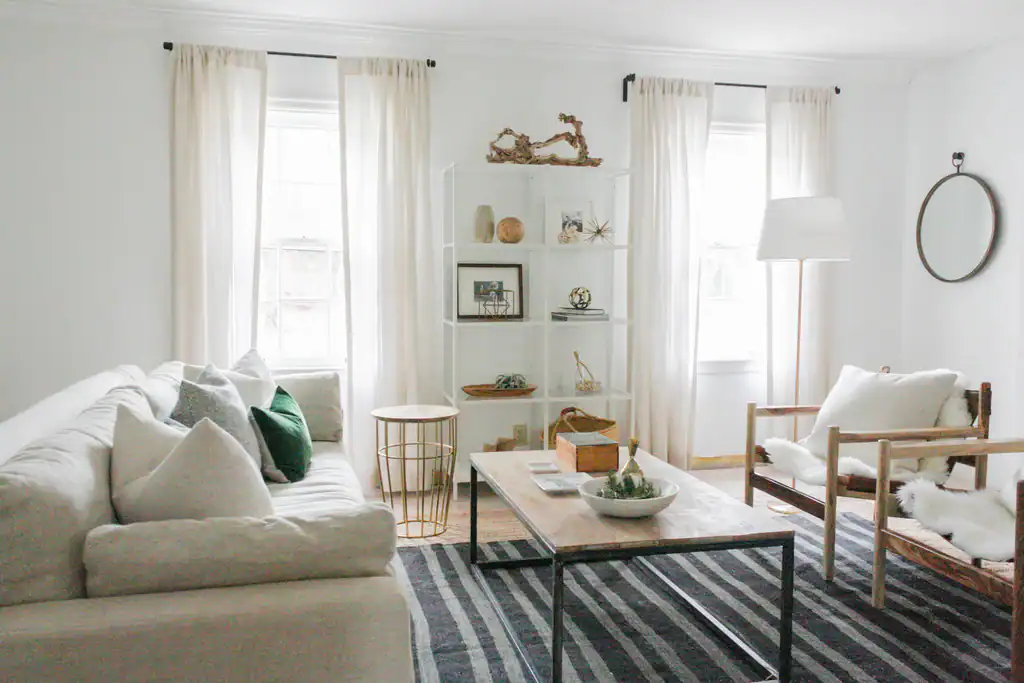
It’s a bit of a head-scratcher for some, but fans don’t actually cool the air. Put a thermometer in a room with a fan on and you’ll see it doesn’t make a dent in the temperature.
The way a fan works is by aiding your body in its own cooling process. The breeze over your skin hastens the evaporation of sweat, and that’s what gives you the feeling of relief. It’s no less effective for being a bit of a trick of the senses.
So you might as well put the fan to work where it counts: on the bed, the couch, or at your desk. There’s no point in having one churning up air in an unoccupied room.
Then there’s the matter of night-time ventilation. If you put a fan in an open window to push or pull the air, you get a much more pronounced cross-breeze. The studies back this up; tacking a fan onto your window setup will give you a far better result than just leaving the sash open.
The Frozen Water Bottle Trick (My Honest Opinion)
🔥 Would you like to save this?
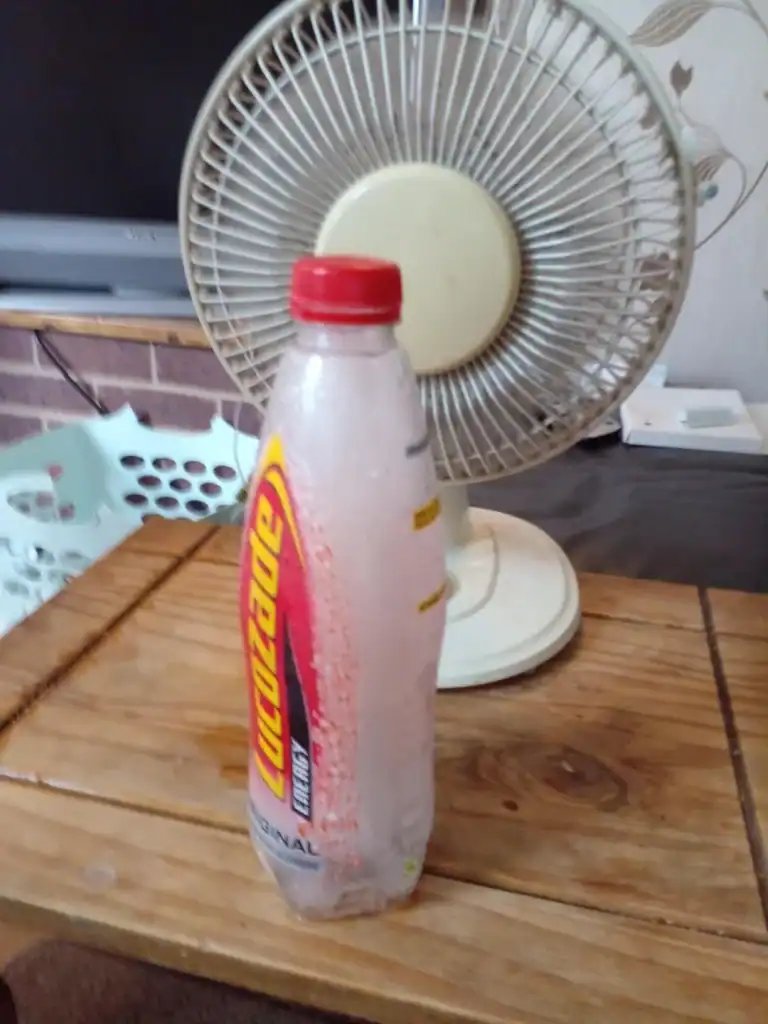
You can’t go far on the internet without running into this one, so I put it to the test.
Does it do anything? Yes. But don’t get your hopes up; the results are modest and won’t last.
There’s no denying that if you put a bowl of ice or a frozen bottle in front of a fan, the air will be cooler on the other side. It’s simple physics. A few have put it to the numbers and confirmed the air is in fact cooler than what’s in the room. The thing is, that cool spot is very much in the here and now. It doesn’t travel, and before you know it, the ice is gone — usually in 15 or 20 minutes if you want any real impact.
I’d call it a temporary fix for when you’re at a desk or in bed and could use some relief. It’s not going to make a whole room more comfortable, and you can’t let it run for hours on end.
Want to give it a go? Put some cubes in a wide, flat dish rather than a single bottle; you’ll get better airflow over it. Tuck it right up against the fan so the air has to go through it. Once the ice is water, though, you’re just putting a roadblock in front of your fan.
It works, sure. Just not as well as people make it out to be.
Reduce Heat Sources Inside the Home
You have to remember that any appliance making heat is something you’ll be working to cool down later. The oven and stovetop are the big ones; put on a meal in the middle of a sweltering afternoon and you’re putting a lot of extra warmth into the kitchen, which has a way of seeping into the rest of the house. When it’s really hot out, I like to make do with dishes that don’t require the oven. If you do use the stovetop, keep the extractor on to pull the heat away as you go.
Then there’s your lighting. Incandescent bulbs are more of a heater than a light source for all the energy they put out. An LED will put off far less of it, and since you don’t have to think about it, it’s an easy, one-time fix.
Don’t overlook the electronics, either. A device on standby or running in the background is churning out a little bit of heat. You won’t notice it from one thing, but in a room where the temperature is already a battle, those small things add up and every bit of relief counts.
Thermal Mass and What’s Already Working in Your Favour
You don’t have to put in any effort for the older stock of buildings in Thessaloniki to do some of the work for you. Many an apartment here is built with a good deal of concrete and has walls to show for it.
That’s the thing about thermal mass: the building takes in heat at a leisurely pace and lets it go the same way. You’ll see it in the difference between an old stone or concrete place and something put up more recently with lighter materials. The former will be cooler in the daytime because the walls are holding the heat, not letting it in, and then they let it out in the evening.
It all comes down to how you handle ventilation. If your walls have been cooling off with the night air, you want to keep the room shut in come the afternoon to make the most of it. But if you’ve let the day’s heat in by not being on top of your ventilation, a fan won’t make up for it. When you close the doors, the thermal mass is either an asset or a liability, depending on what you’ve put in those walls.
What We Actually Do Now
We put in a few changes to the problem bedroom. By early afternoon the blinds are down, with the curtains tucking in over the frame to keep things tight. It’s a minor thing, but you can tell.
Then there’s the windows. We don’t just open one and leave it at that; from late evening to mid-morning we have them open on the other side of the apartment so the air has somewhere to go. And at night, a fan by the bedroom window does some of the work for us.
The place is all LED now — we were going to do it anyway, but it doesn’t hurt.
On the really bad days you still need the AC. When you’re in Thessaloniki in August, you can only do so much with passive cooling. But these days we turn it on later and for a shorter while; it has an easier time of it since the room isn’t already sweltering.
I don’t mind going into that room in the evening like I used to. It’s not a walk in the cold, but it’s not its own little weather system anymore, either.
A Final Thought
I’ll be the first to admit, the one thing that stands out to me is how much of this comes down to when you do something as opposed to what you have. You can make a lot of headway just by knowing when to put the blinds up or open a window. It’s free and you don’t need to go out and buy a thing.
And yes, the frozen water bottle thing works. Though I’d say it’s a bit more modest in its effect than you might see online. The way I see it, the truth is usually in the middle — not a game-changer, but not a waste of time either.
That’s my two cents. I’m all ears if you have a trick for a room that bakes in the sun. Tell me about it below. There’s no substitute for a tip from someone with the same floor plan and the same issue.
Until next time,
Stay safe,


I’m Katerina Lithopoulou, co-creator of DIY Cozy Living. I’ve always loved the little things that make a space feel special. With a background in language and a passion for photography and cozy design, I enjoy turning everyday inspiration into simple ideas people can actually use.
My motto: “Cozy isn’t a trend — it’s a feeling.”
