How to Make Your Walk-In Pantry the Prettiest Spot in the House

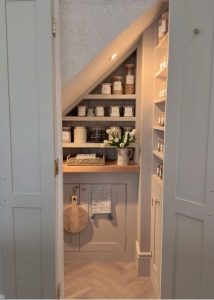
Okay, people – seriously, pay attention – because if your kitchen is at all like mine recently was, you’re likely facing a complete MESS whenever you open a cabinet door!
Things falling out, old spices at the rear as though in a game of hide and seek, and I’m there thinking, “WHERE is the flour, I’m sure I only just got it???” Seriously, me too. Absolute chaos!
Then, one weekend, sometime in the beginning of 2025 don’t quite remember (yes, I am showing my age, haha), I at last lost it. Our small walk-in pantry was, really, just a fancy wardrobe with pathetic wire racking from the nineties, and I was DONE. I stood in the centre of it, coffee in my hand, and mused: “That corner is unused space. The entire thing could be LOVELY. Like, Insta-beautiful, lovely. Why am I living like this???”
Therefore I went all out. I cleared out completely (threw away three bags of unknown out-of-date items – may they rest in peace), got some glass containers from Amazon (changed my life), and put up fairy lights because, well, why on earth not, and suddenly opening the door felt like entering my very own small, comfortable fantasy. I was – and still am – captivated. If I (a busy mum who often doesn’t have time to have a wash some days) can turn a chaotic larder into a brilliant atmosphere, YOU CAN too. Believe me, darling. Let’s make this pantry amazing together!!!
That’s why I created this article!
Let’s dive right into it!!
What Does a Walk-In Pantry Really Cost in 2026?
The price will differ a lot, based on whether you are beginning a new build, changing a closet, or only improving a room you already have. Judging by what I’ve come across – and what people are really saying on the internet these days – this is a sensible estimate:
- A small walk-in (such as five by five feet, or a closet which has been changed): generally $750 to $2,000, should you be doing simple shelving, touching up the drywall, and installing lights. Doing it yourself will keep it nearer the cheaper end.
- Medium to large (for example six by eight feet, or larger): around $2,000 to $3,500 typically, for builds that are sort of made to order, with improved cupboards, worktops and finishes.
- Top-end or a complete extension: it could rise to $5,000 to $15,000 and over, if you are putting in water pipes, electrics or removing walls – and perhaps considerably more if it is a room extension.
- Doing it all yourself, with upgrades (shelves, paint, containers): often $500 to $1,500 if you are good at DIY and look for good deals (such as IKEA ideas, Home Depot plywood and sales).
My own little pantry tweak back then ran me around $900–$1,200 mostly because of cabinets and that butcher block counter I couldn’t resist. But if you’re just adding adjustable shelves and lights?
You can stay under $500 easy. Pro tip: Wait for sales on Elfa systems or IKEA stuff—they drop 25–30% a few times a year.
| Style | Key Features | Best For | Approx. Budget Level |
|---|---|---|---|
| Minimalist Modern | Clean lines, LED under-shelf lights, glass doors | Small/urban homes | Medium |
| Organic Natural | Woven baskets, wood shelves, plants | Cozy/family kitchens | Low-Medium |
| Luxe Traditional | Library ladder, dark cabinetry, marble accents | Larger spaces | Higher |
| Hidden/Seamless | Pocket doors, matching cabinet fronts | Open-concept layouts | Medium-High |
Construction Basics: What Actually Goes Into Building One?
Building or converting isn’t rocket science, but it does take some planning so you don’t end up with regrets. Here’s the step-by-step rundown most people follow:
- Measure twice (seriously): Figure out your exact dimensions—width, depth, height. Standard shelves are 12–16 inches deep for easy reach without things getting lost.
- Framing and walls: If converting a closet, you might just need to frame in a door opening. For new builds, add drywall, paint, and maybe ventilation (small fan or vent to keep humidity down—food lasts longer!).
- Shelving & storage: Adjustable tracks are gold for changing heights later. Mix open shelves, pull-outs, and drawers. Go floor-to-ceiling to max vertical space.
- Lighting & extras: LED strips or motion-sensor lights are cheap and game-changing. Add a small counter if you can—great for prepping.
- Door options: Pocket doors save space; glass ones make it feel bigger and prettier.
If you’re not comfy with power tools, start with prefab kits or pro install for the heavy stuff, then DIY the finishing touches.
Modern Walk In Pantry Ideas That Look Gorgeous
Ugh, I am SO excited to finally level up my kitchen game with a chic, modern walk-in pantry that actually fits into those super awkward corners of my house!
Honestly, if you have a tiny kitchen but big snack dreams like me… you’re in the right place. I’m about to spill all the tea on how I turned those weird, dusty corners into the most stylish and functional spots in my entire home (no more hideing the cereal behind the toaster lol).
Get ready for some major inspo and hacks that will have your pantry looking straight off a Pinterest board in no time.
Let’s dive in and make our pantry goals a realtiy!!
The”Pretty Pantry” with Open Shelving!
This is the ultimate entry-level glow-up: open shelves let you carry kitchen style inside, turning storage into decor.
Labeled glass jars keep things uniform and visible, woven baskets hide messier items (snacks, produce), and personal touches like a tiny potted herb or vintage pitcher add soul without clutter.
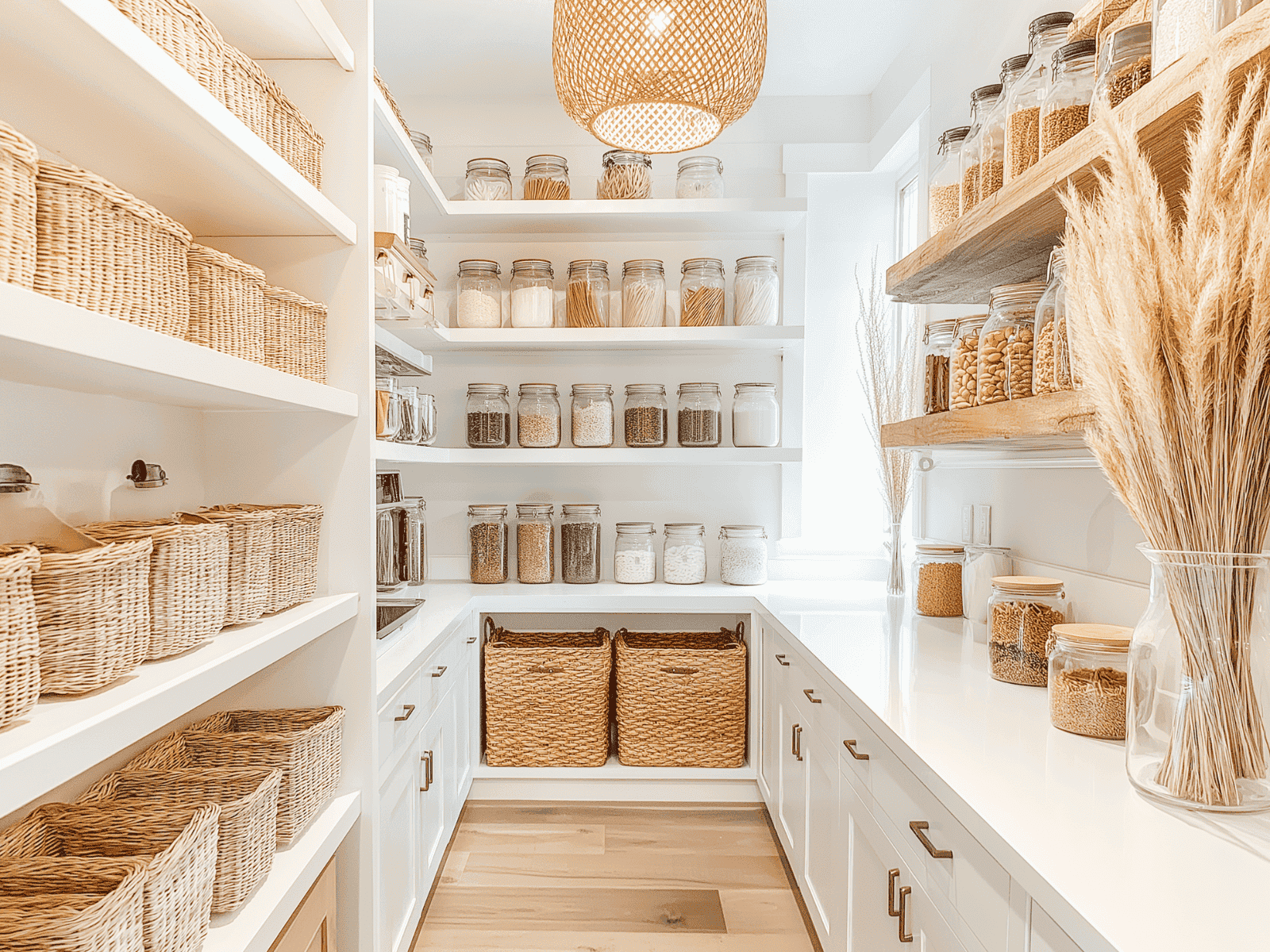
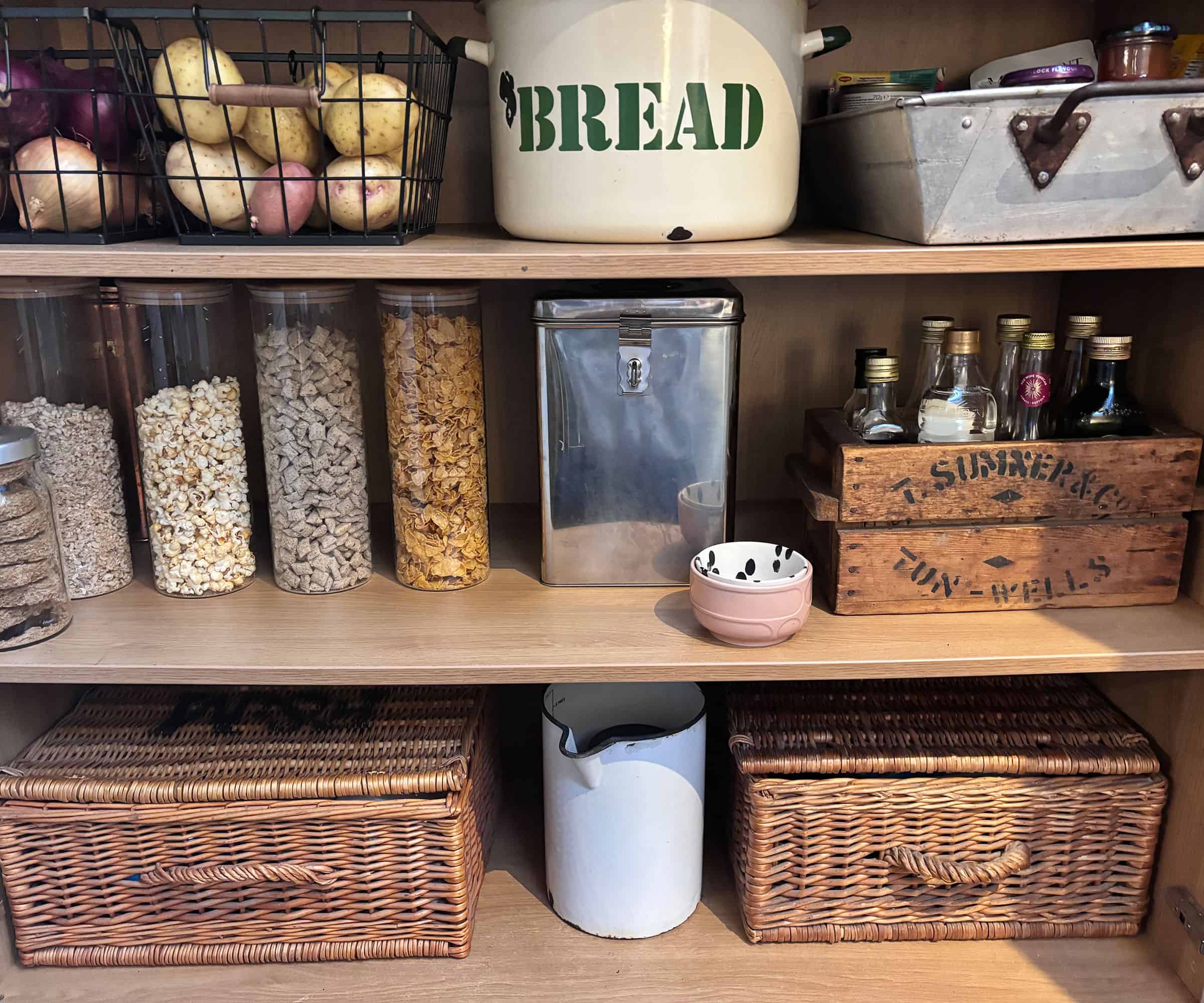
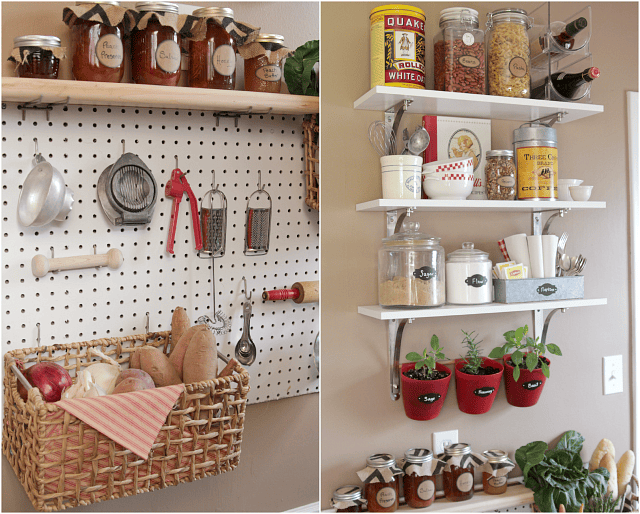
Why it shines: Feels warm and inviting—like a mini extension of your kitchen aesthetic.
Pros: Easy to DIY, budget-friendly (jars + baskets ~$50–100), promotes “use it or lose it” habits.
Cons: Dust shows more; needs occasional styling refresh. Best for: Anyone wanting instant personality and daily joy from opening the door.
Glass-Enclosed for Elegant Display
Glass doors transform a hidden utility into a showcase—neat rows of canisters pop under warm lighting, looking high-end even with IKEA basics.
Why it shines: Creates a “wow” reveal while keeping dust out.
Pros: Feels luxurious, easy to keep organized (everything visible).
Cons: Shows fingerprints/clutter if not maintained; pricier doors (~$200–800+).
Best for: Open-concept homes or anyone who loves displaying pretty pantry staples.
Hidden Doors for Seamless Integration
Painting or matching the door to cabinets makes the pantry “disappear”—kitchen feels bigger and cleaner instantly.
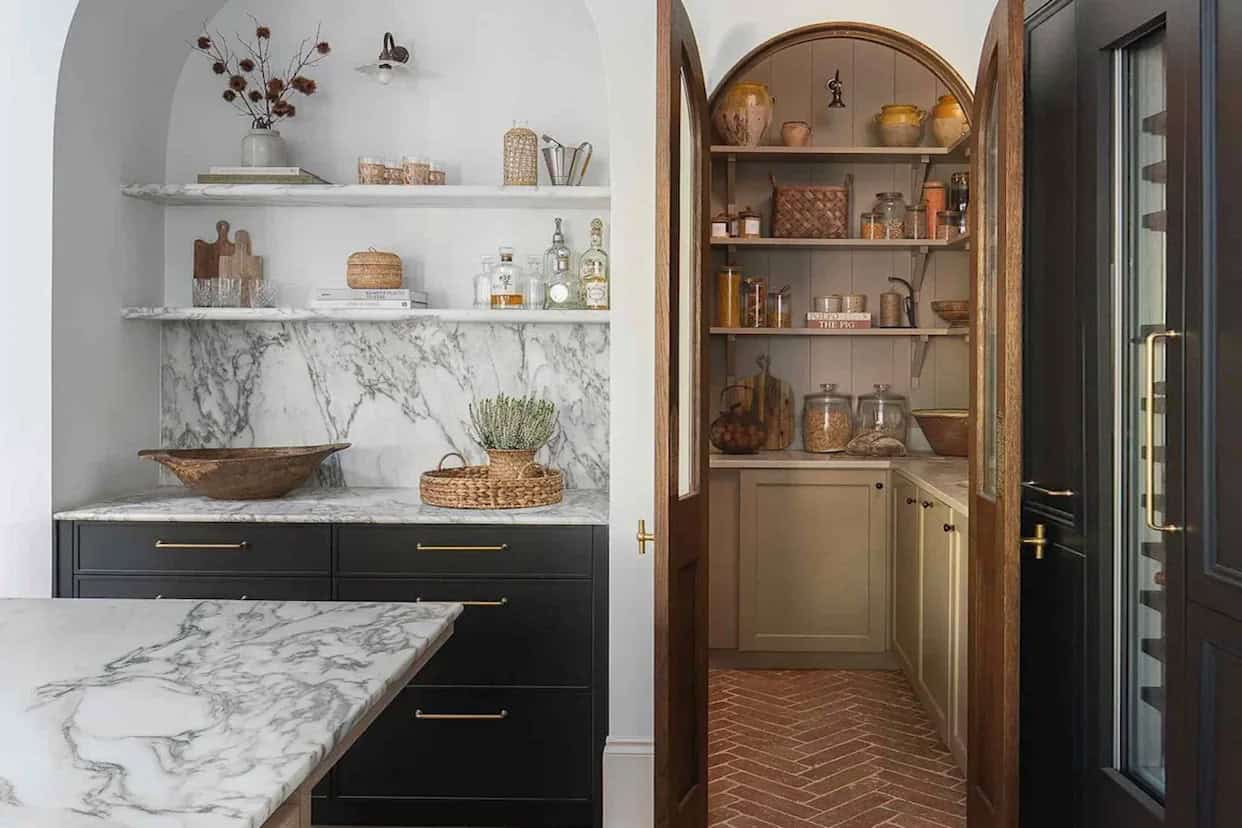
Why it shines: Minimal visual interruption—perfect for calm, streamlined kitchens.
Pros: Budget hack (just paint ~$50), huge perceived space gain.
Cons: Less “fun reveal”; harder to remember it’s there sometimes.
Best for: Small or open layouts craving a polished, no-clutter look.
Add a Library Ladder for Drama and Reach
Sliding ladder + tall shelves = practical access to high spots with major “fancy home” energy.
Why it shines: Turns vertical space into a feature—feels luxurious and fun.
Pros: Maximizes storage; adds character.
Cons: Needs sturdy installation (~$200–600); not ideal for very tiny spaces.
Best for: Homes with high ceilings wanting drama without complexity.
Custom Zones for Everyday Flow
Dedicated spots (baking corner, coffee nook, low snack bins) make everything intuitive—no more hunting.
Why it shines: Reduces daily stress—meal prep becomes smooth. Pros: Highly customizable; family-friendly. Cons: Requires initial planning/decluttering time. Best for: Busy households or anyone tired of chaos.
Layered Lighting to Make It Magical
Battery LED strips under shelves create a soft glow—no more dark corners.
Why it shines: Transforms “dungeon” to inviting—nighttime grabs feel cozy. Pros: Cheap (~$20–50), easy install, huge mood boost. Cons: Batteries need replacing; wiring for permanent is extra. Best for: Anyone who uses the pantry after dark or wants ambiance.
Woven Baskets and Natural Textures
Rattan/seagrass for produce adds airy coziness and hides imperfections.
Why it shines: Softens hard shelves, brings organic 2026 trend warmth.
Pros: Breathable for food, inexpensive, easy swap.
Cons: Can collect dust; not fully sealed.
Best for: Cozy, lived-in kitchens craving texture.
Pull-Out Shelves and Drawers for Easy Access
Roll-outs eliminate back-corner digging—everything glides forward.
Why it shines: Pure efficiency—feels custom without full reno. Pros: Maximizes deep shelves, reduces waste. Cons: Install can be fiddly (~$100–300 per set). Best for: Deep or awkward pantries.
Include a Small Prep Counter or Sink
Tiny counter + sink = fewer kitchen trips for washing/prep.
Why it shines: Elevates to “butler’s pantry” level—super functional. Pros: Saves time/steps; adds workspace. Cons: Needs plumbing (pro install ~$500+); space eater. Best for: Frequent cooks wanting convenience.
Mix Matte and Metallic Finishes
Matte sage + brass pulls = subtle luxury without overkill.
Why it shines: Adds depth and modern sophistication. Pros: Easy hardware swap (~$50–150). Cons: Hardware trends change; coordinate carefully. Best for: Transitional or contemporary kitchens.
Bold Accent Wall or Wallpaper
Removable botanical print = instant personality on one wall.
Why it shines: Brightens small spaces, adds joy. Pros: Peel-and-stick = renter-friendly (~$30–80). Cons: Can overwhelm if too busy. Best for: Boring walls needing life.
Wire Shelving for Airy Industrial Vibes
Adjustable wire = clean, budget airflow with styling potential.
Why it shines: Lightweight, versatile, industrial-cute when binned. Pros: Cheap (~$100–300), easy install. Cons: Less “warm” than wood. Best for: Small/tight budgets.
Wine or Bar Storage Nook
Bottle racks + glasses = entertaining bonus zone.
Why it shines: Multi-use magic—pantry becomes social spot. Pros: Fun upgrade, compact. Cons: Takes dedicated space. Best for: Hosts or wine lovers.
Farmhouse Charm with Wood and Chalkboard
Reclaimed wood + chalkboard door = cozy, note-friendly classic.
Why it shines: Timeless warmth + practicality. Pros: Lists/lists/lists; forgiving style. Cons: Chalk dust; wood needs sealing. Best for: Traditional/cozy homes.
Asymmetrical and Sculptural Layout
Varied heights + trailing greenery = artsy, organic flow.
Why it shines: Feels creative, not rigid—2026 organic trend peak. Pros: Uses odd spaces uniquely. Cons: Harder to keep balanced. Best for: Artistic souls wanting personality.
Space-Smart Tips: Making It Work in Tiny or Weird Layouts
Not everyone has a big empty room to play with—most of us are squeezing into closets or corners. Here’s what actually helps in small or awkward spots:
- Use every inch for example, door organizers for spices/snacks, over-door racks, corner lazy Susans.
- Use Vertical space, (floor-to-ceiling with a step stool or mini ladder).
- Bake stuff together, snacks low for kids, bulk items high.
- Pull-outs everywhere: They prevent “lost in the back” syndrome.
- Use lighting effectively!!! Dark corners kill usability—add strips under shelves.
Even in a 4×6 foot space, zoning + clear bins can make it feel twice as big.
DIY or Hire? My Honest Opinion
DIY is totally doable for most upgrades and saves thousands—I built my shelves from scratch with plywood and a cut list optimizer app (free online tool—saved so much waste!). But be real:
- Easy DIY wins: Painting, installing wire/wood shelves, adding bins/lights, peel-and-stick wallpaper, labeling.
- Medium DIY: Building custom boxes, butcher block counters, basic electrical for lights.
- Call pros if: Major framing, plumbing/sink, electrical outlets, or load-bearing wall stuff.
Tools you’ll want: Drill, level, saw (or have Home Depot cut wood), stud finder. Start small—test one wall of shelves before going all-in.
To Sum Things Up!
There you have it, queens – your pantry, which was probably a complete jumble, can become a really lovely area without costing a lot or doing a complete remodel.
Start with something small – containers and tags and lights are good for a quick sense of order – and then choose just one thing from what we’ve talked about which you really liked, and go on from there. The improvement will come quickly, I’m sure.
Your pantry is more than just a place to put things; it’s your own comfortable, private place, the centre of your snacking, and a way of showing you’re in control. Make it be what you want, if that’s a gentle, natural feeling, neat glass with gold details, or fun, country-style charm.
You have the ideas, the instructions, and the encouragement. Now go and take ownership of that door and make something special. I already have confidence in you. Now it’s up to you!
Which of these will you be doing this week? Tell me in the comments below – I can’t wait to find out!!
You can do it. Really.
Until next time,
Stay safe,


I’m Katerina Lithopoulou, co-creator of DIY Cozy Living. I’ve always loved the little things that make a space feel special. With a background in language and a passion for photography and cozy design, I enjoy turning everyday inspiration into simple ideas people can actually use.
My motto: “Cozy isn’t a trend — it’s a feeling.”
