
Victorian Kitchen Ideas Worth Stealing

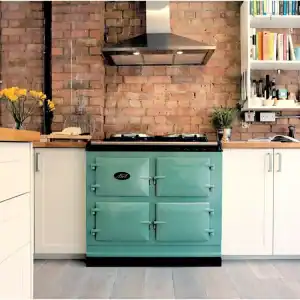
I have been obsessed with Victorian kitchens for a long time, and I’ll tell you why: they are the one room where the era got almost everything right.
Victorian kitchens were designed for people who actually cooked. Serious storage, honest materials, surfaces that could take a beating.
The decoration came on top of that practicality, not instead of it. A carved detail here, a patterned tile there, curtains that softened the windows. The result is a kitchen that feels alive in a way that most modern ones simply don’t.
The rooms below are proof that this style translates. Some are faithful to the period, some are a looser interpretation, and a few are just chaotic enough to be wonderful. All of them made me want to redesign my own kitchen the moment I saw them.
What Actually Makes a Kitchen Feel Victorian
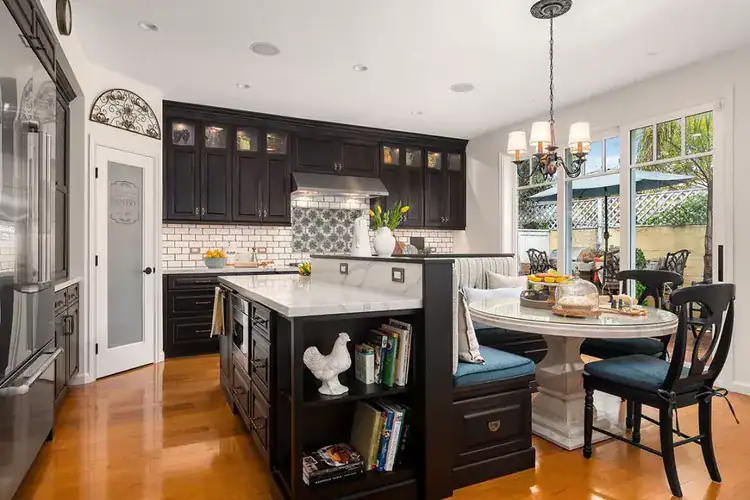
Before we get to the ideas, it helps to understand what the style is actually built on — because Victorian isn’t one look, it’s a set of principles.
The first is that the kitchen is a working room and should be treated as one. Substantial cabinetry, real stone or tile floors, a sink that means business. Victorian kitchens don’t pretend to be something they’re not.
The second is that decoration belongs here too. Patterned floors, wallpaper, carved wooden details, ceramic plates displayed on shelves. The Victorians didn’t believe in separating function from beauty.
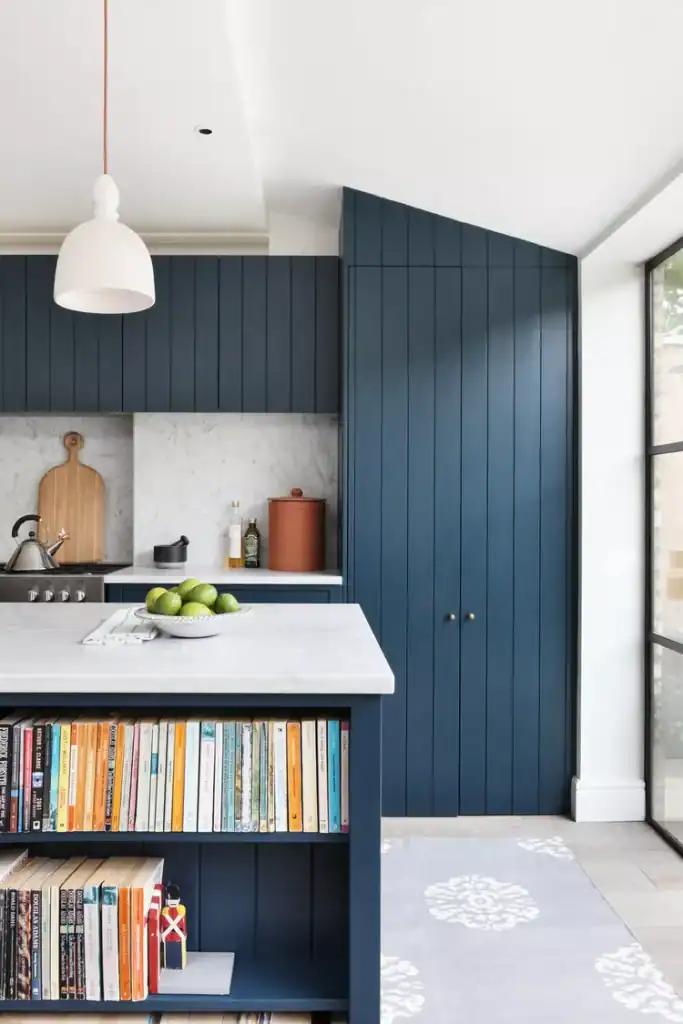
The third — and the one most people miss — is layering.
A Victorian kitchen is never finished in one decision. It accumulates: a rug on top of the flagstone, curtains at the window that match nothing exactly but somehow work, a pot rack that adds to the ceiling the way a chandelier adds to a dining room. That accumulation is the style.
Start with those three things in mind and the rest becomes much easier to read.
The Bones First — Floors, Ceilings, and Cabinetry
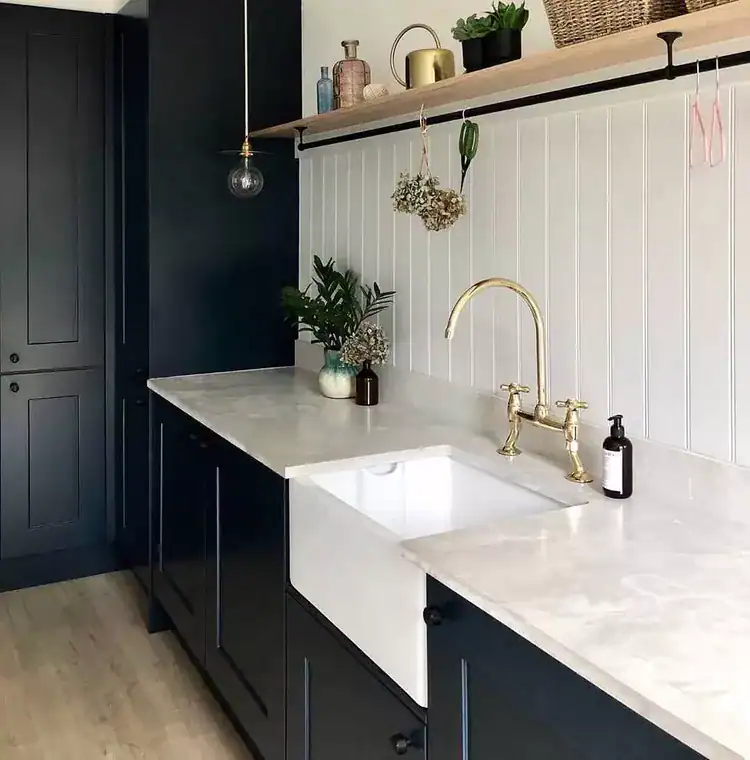
The most durable Victorian kitchens are built on strong architectural decisions.
Get these right and everything else has something to lean on.
Coffered Ceiling, Black Marble Center Island, and Alcove Hood
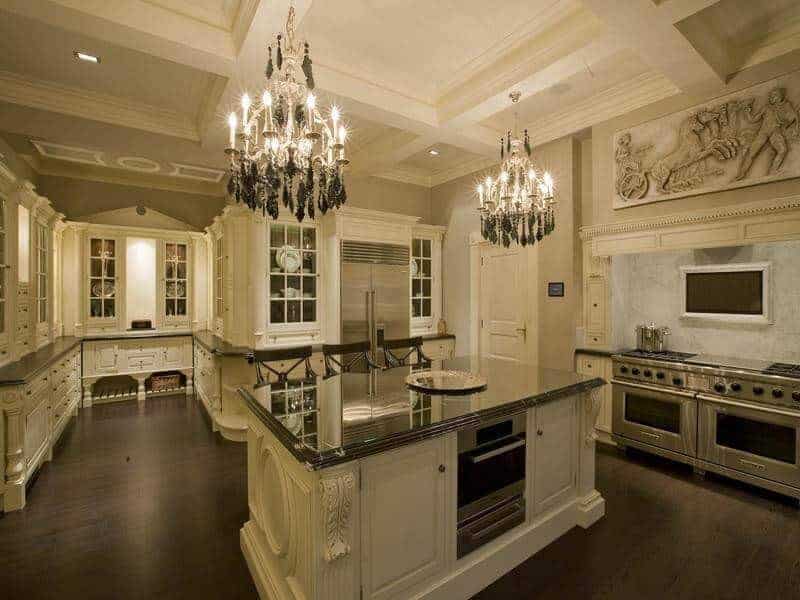
This is the full commitment version, and it is extraordinary.
A coffered ceiling immediately changes the proportion of a kitchen. Pair it with a black marble center island and the whole room gets a kind of visual weight that you feel before you’ve consciously noticed any individual element.
The alcove hood is the detail that ties it together. An alcove hood — built in, arched, fitted to the cooking range like it always belonged there — is one of the most Victorian things you can do in a kitchen.
If you have a standard ceiling and are considering a renovation, coffering is more achievable than it looks. The beams are added on top of the existing ceiling. It doesn’t require ripping anything out.
Beadboard Island and Diamond-Patterned Limestone Floor
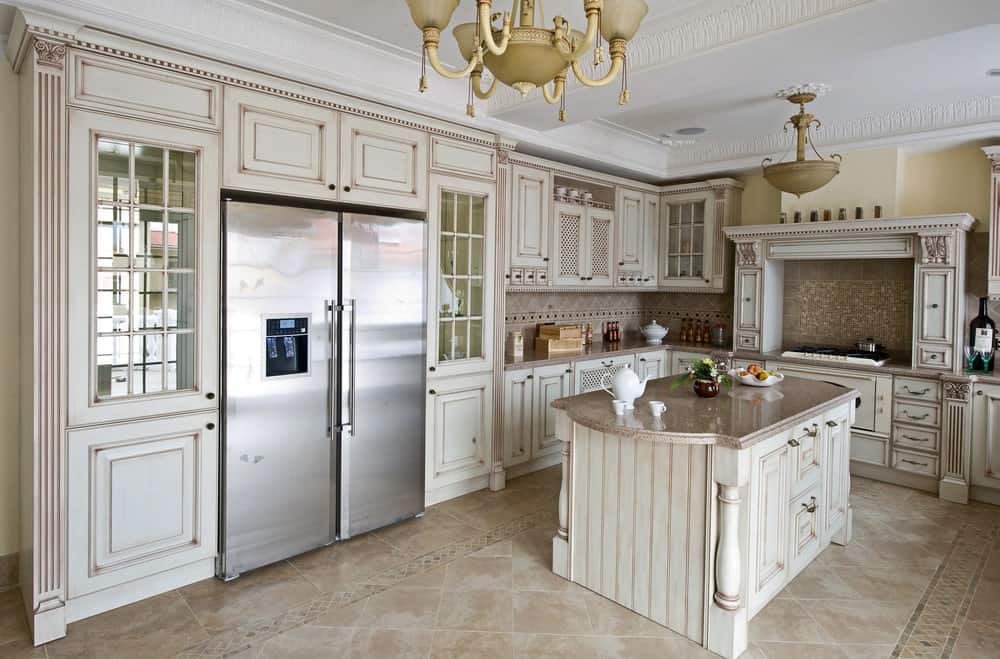
Beadboard on a kitchen island is one of those details that costs very little and reads as unmistakably period.
The vertical paneling references the timber-paneled sculleries and larders of Victorian working kitchens.
It softens an island that might otherwise feel like a slab of countertop sitting in the middle of the room. And it takes paint beautifully — cream, sage, navy, deep green — any of the Victorian palette works.
The combination of these two elements — beadboard island, diamond limestone — creates the kind of kitchen foundation that decades of trend cycles won’t touch.
Stained Glass Cabinet Doors and Green Decorative Backsplash Tiles
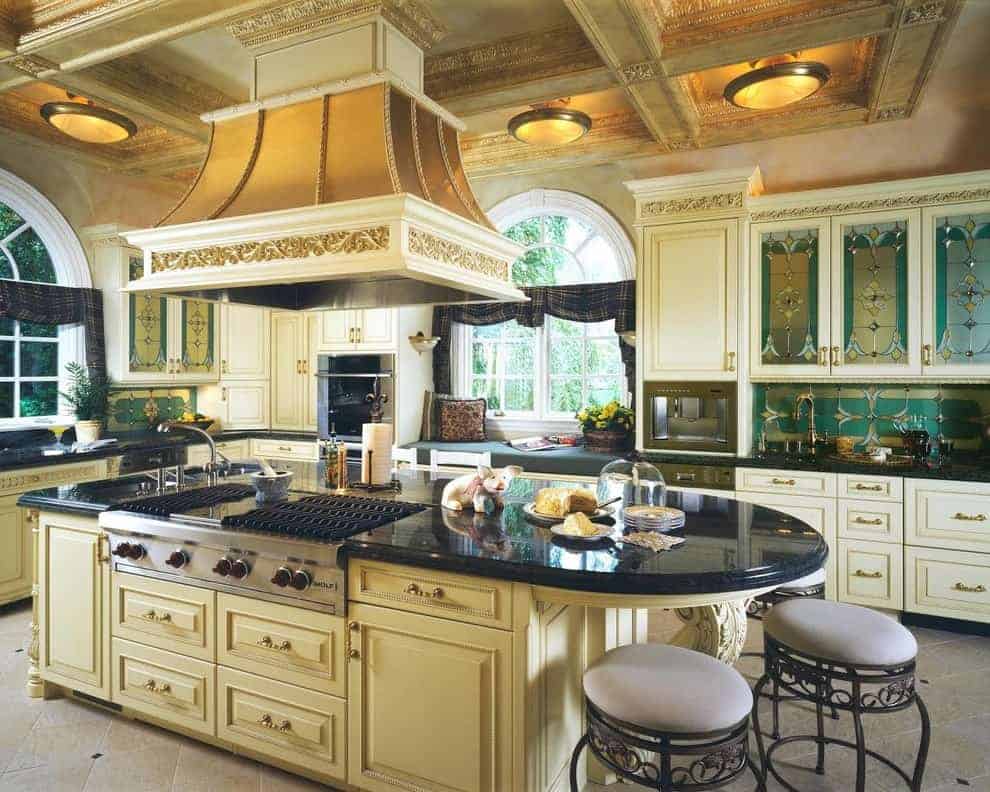
I want to live in this kitchen.
Stained glass cabinet doors are not common, which is exactly why they work so well here. The Victorians used stained glass throughout the home — not just in churches — and a kitchen with glass-front cabinet doors featuring even a small amount of colored or leaded glass immediately references that tradition.
The green decorative backsplash tiles are the right companion for this. Victorian green — deep, botanical, a little dusty — appears everywhere in the era’s interiors, and it belongs in the kitchen as much as anywhere.
These tiles don’t have to be expensive. Plain glazed tiles in a deep heritage green, set in a traditional brick or stack pattern, achieve the same result.
Arched Cooking Alcove and Candle Chandelier on a Tray Ceiling
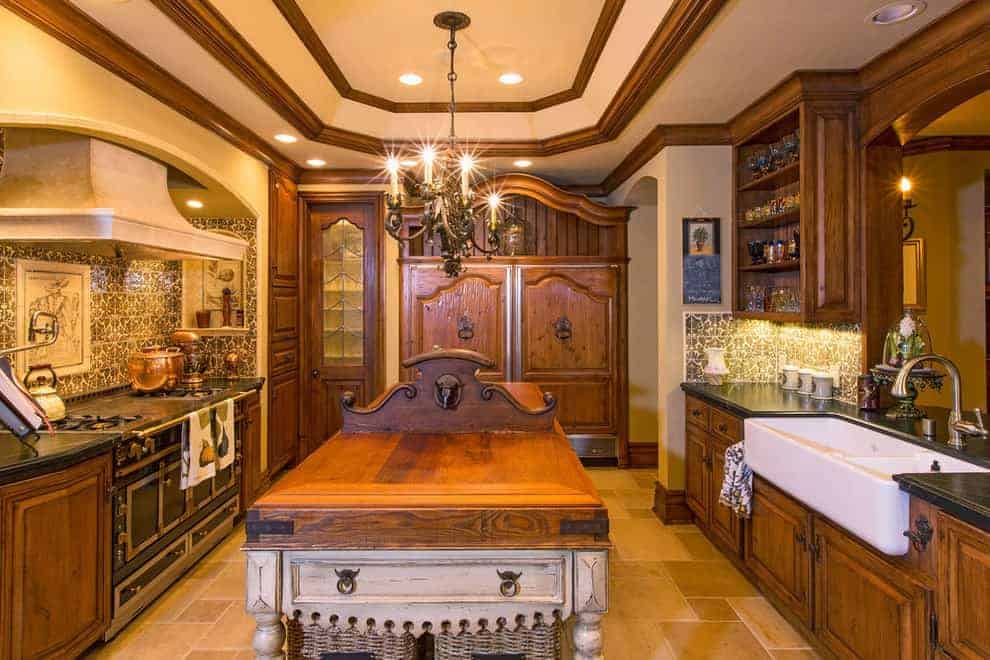
Two architectural moves, both entirely Victorian, and they transform a kitchen completely.
An arched cooking alcove frames the range the way a fireplace surround frames a fire. It says: this is the important part of this room, and we built around it.
The arch adds height and drama without adding any floor space. Tasos has been trying to convince me to do something like this in our kitchen for two years. I’m getting closer.
When Victorian Kitchens Go Bold — Color, Wallpaper, and Pattern
The Victorians were not afraid of color. Neither should you be.
Yellow Patterned Wallpaper, White Cabinets with Gold Trim, and Black Marble Backsplash
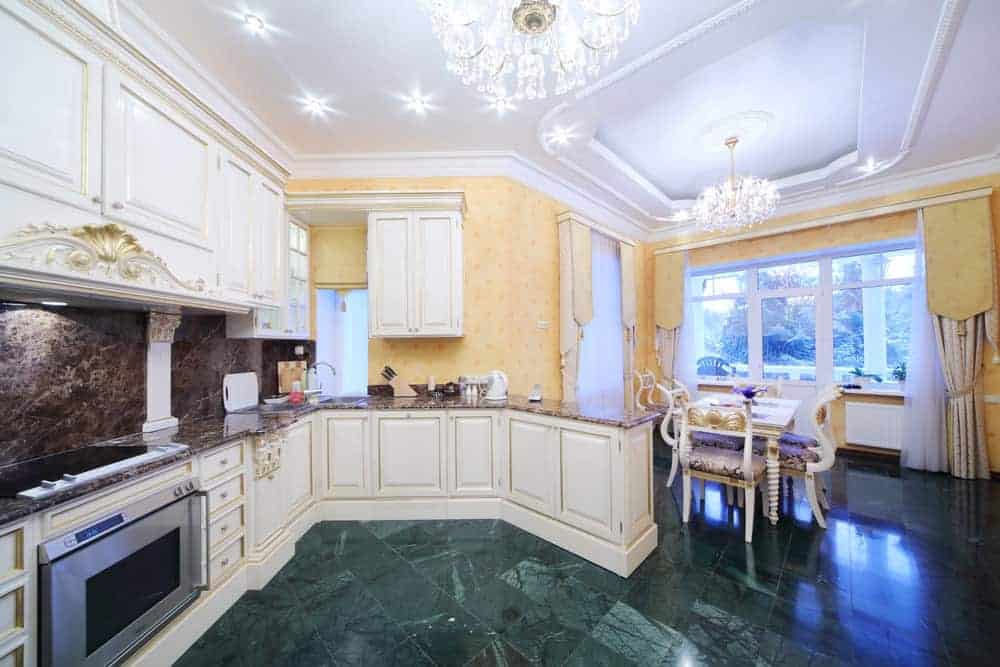
This combination should not work as well as it does.
Yellow patterned wallpaper in a kitchen sounds like a risk. It is. But Victorian design was full of risks taken confidently, and confidence is what makes them work.
The wallpaper here is the warm backdrop that makes the white cabinets feel less clinical and the black marble backsplash feel less stark.
The gold cabinet trim is the decision I find most interesting. It picks up the warmth of the yellow without matching it, and it gives plain white cabinets a level of detail they would never have otherwise.
Red Kitchen with Hand-Painted Ceramic Plates and Umbrella Chandelier
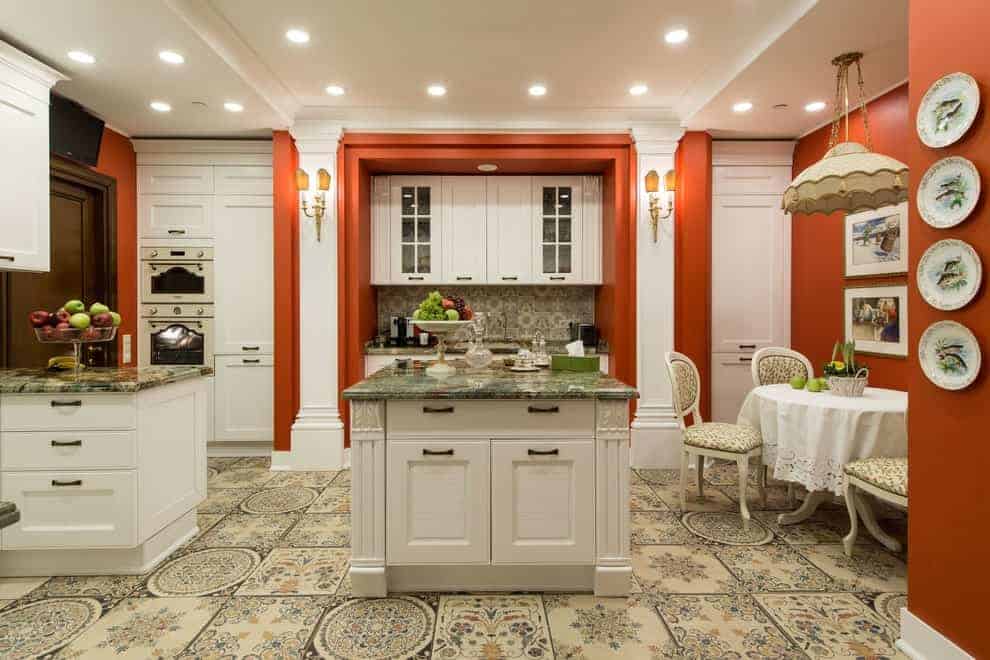
This is the kitchen that makes people stop scrolling.
A red kitchen is a bold choice in any era, but in a Victorian context it makes complete sense. Deep reds — crimson, brick, terracotta — were core to the Victorian palette, particularly in rooms associated with warmth and activity.
The hand-painted ceramic plates displayed on the cabinets are what move this from bold to characterful. Displayed ceramics are one of the most accessible and most effective ways to bring Victorian style into any kitchen.
They add color, texture, and the sense of an accumulated life. Zina has always kept a row of plates above her kitchen shelves. I thought it was just habit. Now I understand it was taste.
The umbrella chandelier over the dining set is the perfect unexpected punctuation — modern in shape, Victorian in spirit.
Patterned Wallpaper, Cream Cabinets, and Matching Island with Gold Trim
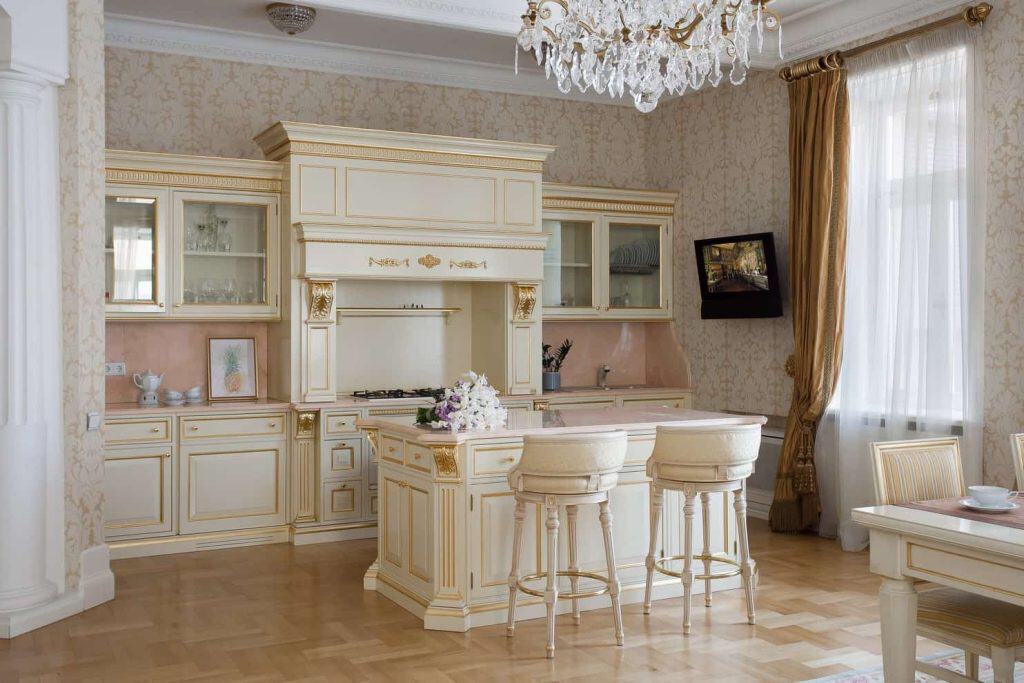
The matching island with gold trim is what I want to talk about here.
Most kitchens treat the island as a variation of the cabinetry — a slightly different color, a different countertop.
This kitchen treats it as part of a coordinated whole: same cream, same gold trim, same wallpaper visible above. The result is a room that feels like it was designed once, from the beginning, rather than assembled from decisions made at different times.
Bright Kitchen With Floral Wallpaper
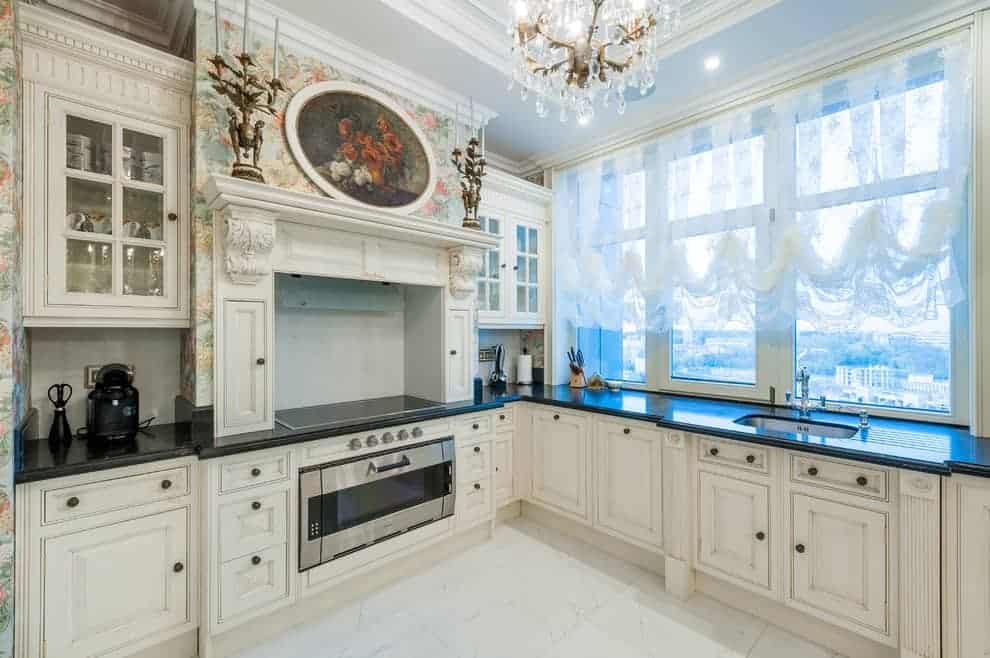
Floral wallpaper in a kitchen is the decision that separates people who decorate from people who actually commit.
I understand the hesitation. Wallpaper in a room with steam and cooking smells and splashback feels impractical. It isn’t — vinyl-coated or wipeable wallpaper has made this entirely solvable — but it still feels like a risk.
And that’s exactly what makes it so striking when someone does it properly.
🔥 Would you like to save this?
A bright kitchen with floral wallpaper works because the pattern does what paint can’t. It adds depth, movement, and color all at once.
White Cabinets, Glass-Front Uppers with Displayed Plates, and a Rolling Library Ladder
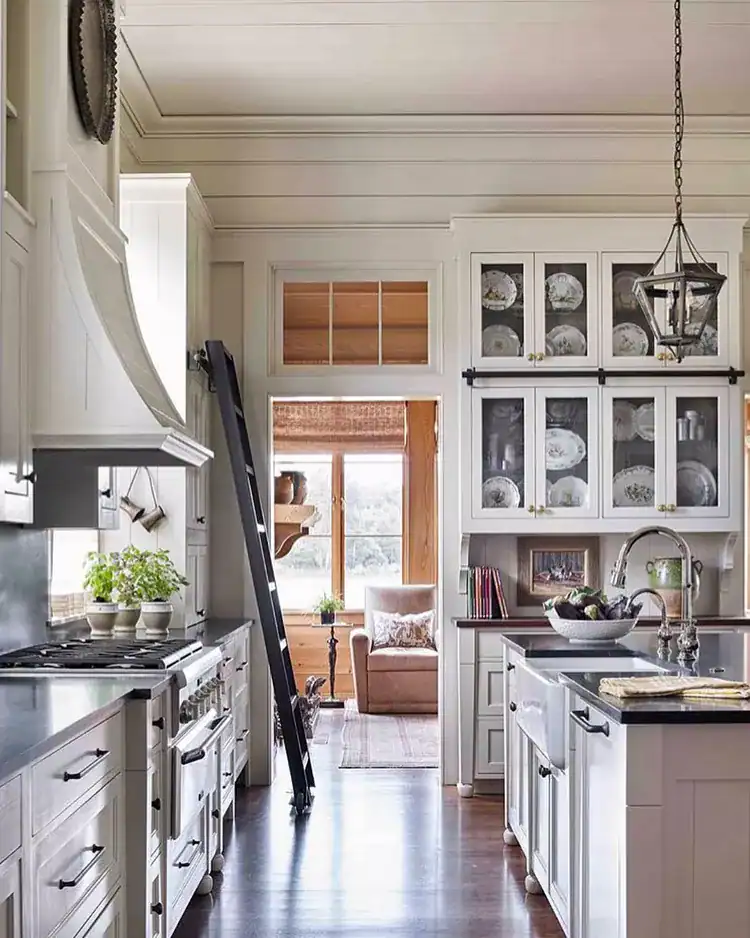
The library ladder is the detail that tells you everything about how this kitchen was thought through.
A rolling ladder on a kitchen rail is a Victorian domestic fixture — it existed because kitchens had floor-to-ceiling cabinetry and someone needed to reach the top.
The glass-front upper cabinets displaying blue and white transferware plates are the other quietly perfect decision.
It’s the least fussy Victorian kitchen I’ve seen. And somehow the most convincing.
The Details That Do the Heavy Lifting
Victorian kitchens are often won or lost in the details. The right backsplash, the right hardware, the right sink. These rooms show how much one good decision can carry.
Dark Wood Island with Brass Faucet and Ornately Carved Cabinetry
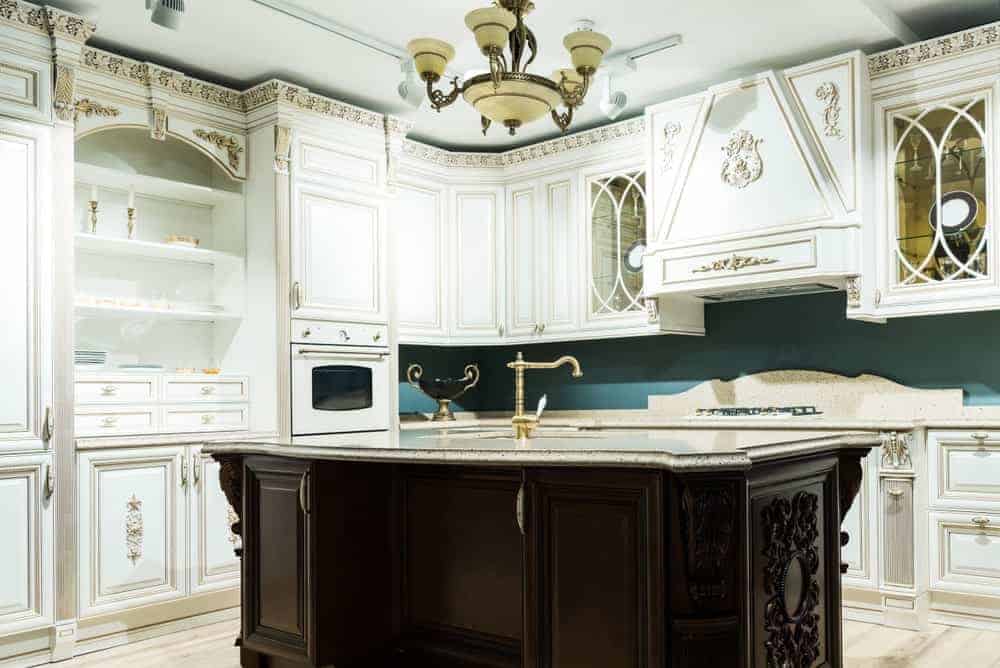
Dark wood is underused in kitchens. People reach for white and pale gray out of a fear that darker cabinets will make a room feel smaller — and sometimes they’re right. But in a Victorian kitchen, dark wood is the point.
The ornately carved cabinetry surrounding the dark island here is what separates this room from a simply moody kitchen.
The carved details — probably raised panel doors with decorative molding on the frame — add the dimension that flat-front cabinetry never achieves. It’s the difference between a room that looks historically inspired and one that actually feels like it has history.
The brass faucet on the dark wood island is the smallest detail and one of the most important.
Cream Carved Cabinets, Crystal Chandelier, and Intricate Alcove Hood
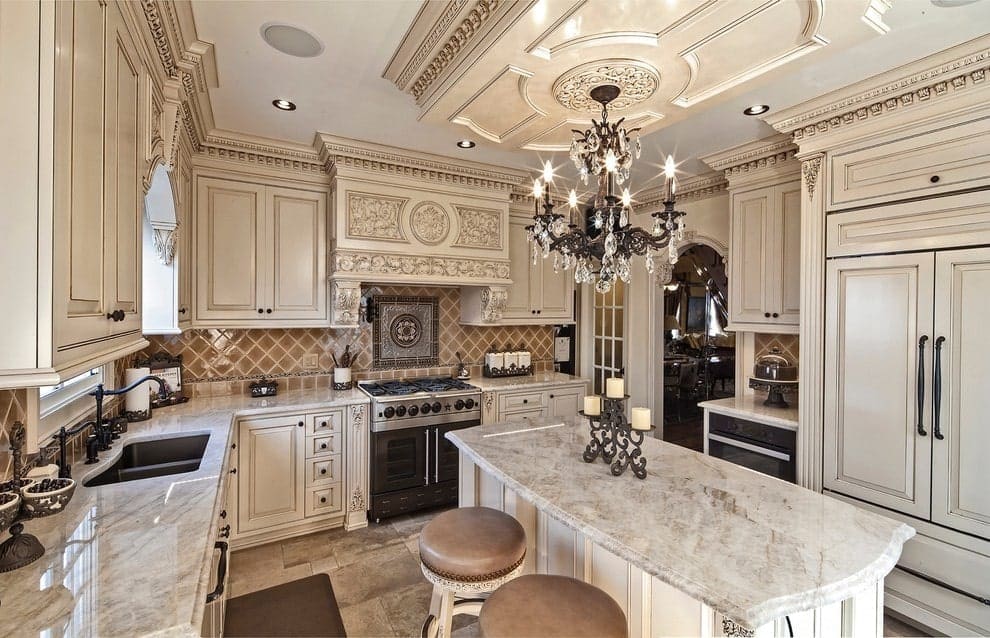
This kitchen is not for the faint-hearted. And I mean that as the highest possible compliment.
The carved cabinetry is the first thing you see and the last thing you can stop looking at. Every surface has been treated as an opportunity — the hood above the range is a piece of decorative sculpture, the cabinet frames carry raised floral molding, the ceiling above is coffered and ornamented in a way that most people would reserve for a palace ballroom.
The Victorians would have understood this completely.
The black range is the contrast that makes everything else visible. One dark, serious, functional object in the middle of all that ornamentation. It’s the kitchen saying: yes, this is beautiful, but someone cooks here.
Farmhouse Sink with Brass Fixtures and Printed Rug on Hardwood
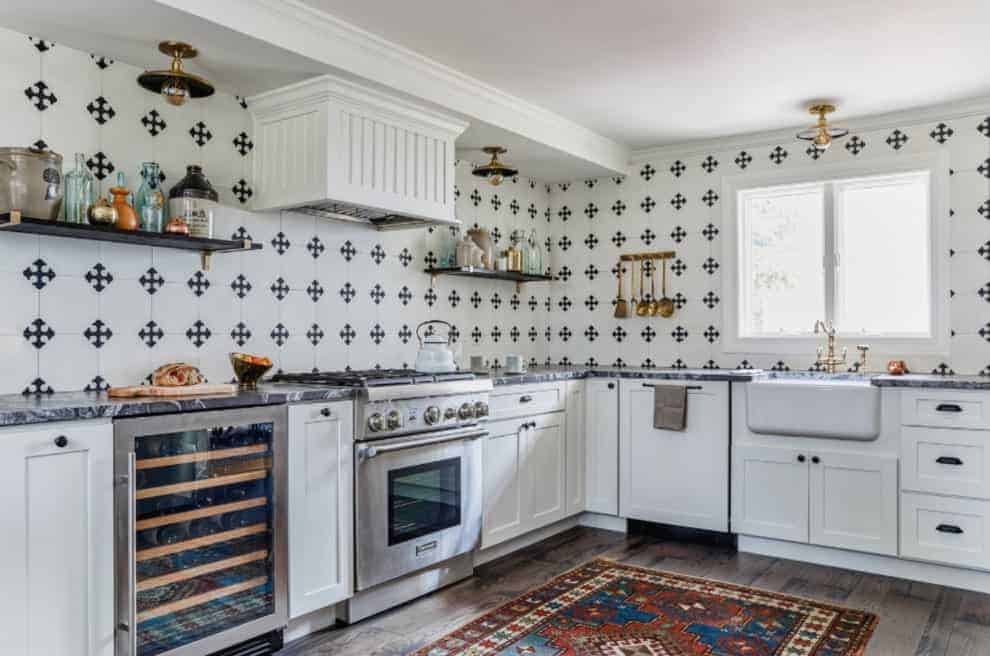
The farmhouse sink and the printed rug are doing two different kinds of work in this kitchen.
The farmhouse sink — deep, apron-fronted, ceramic — is the most enduring Victorian kitchen fixture.
It’s been on trend, off trend, and back on trend more times than any other kitchen element, and it keeps coming back because it’s genuinely better for actual kitchen use.
A large apron sink is the honest choice, and Victorian style is built on honest choices.
Carved Island Bar Under Chandeliers with Black Cabinets
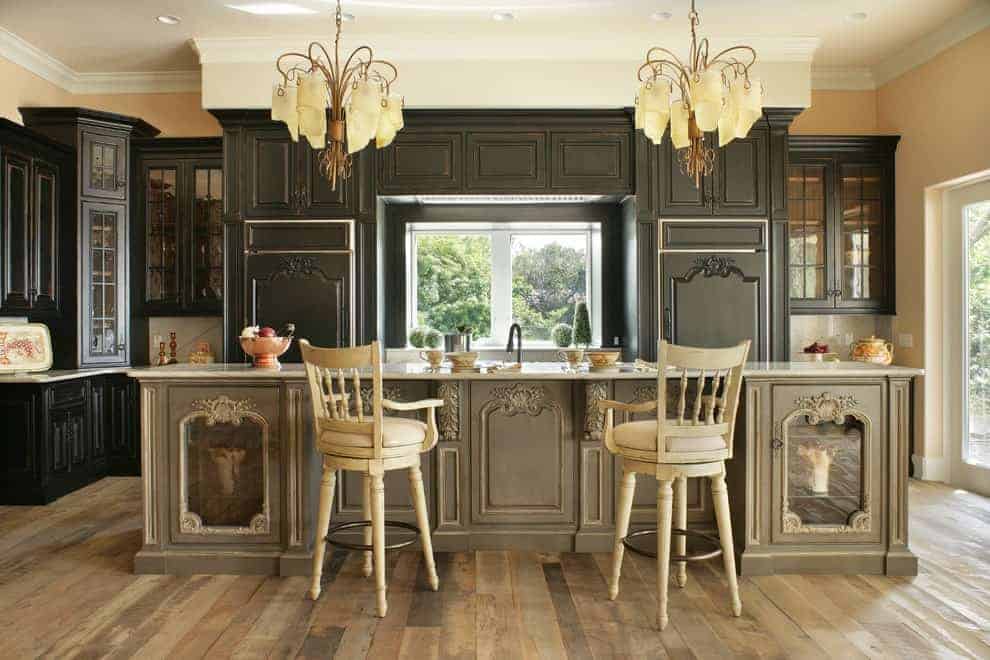
Black cabinets in a kitchen are the design decision that people either love immediately or take years to come around to.
I came around to them slowly. I thought they would feel oppressive. What they actually do — when paired correctly — is make everything else in the room look more deliberate.
White walls look brighter. Natural wood looks warmer. Brass hardware looks richer. Black cabinets are a backdrop that makes their neighbors look their best.
Black Range Hood with Decorative Plates and Checkered Backsplash
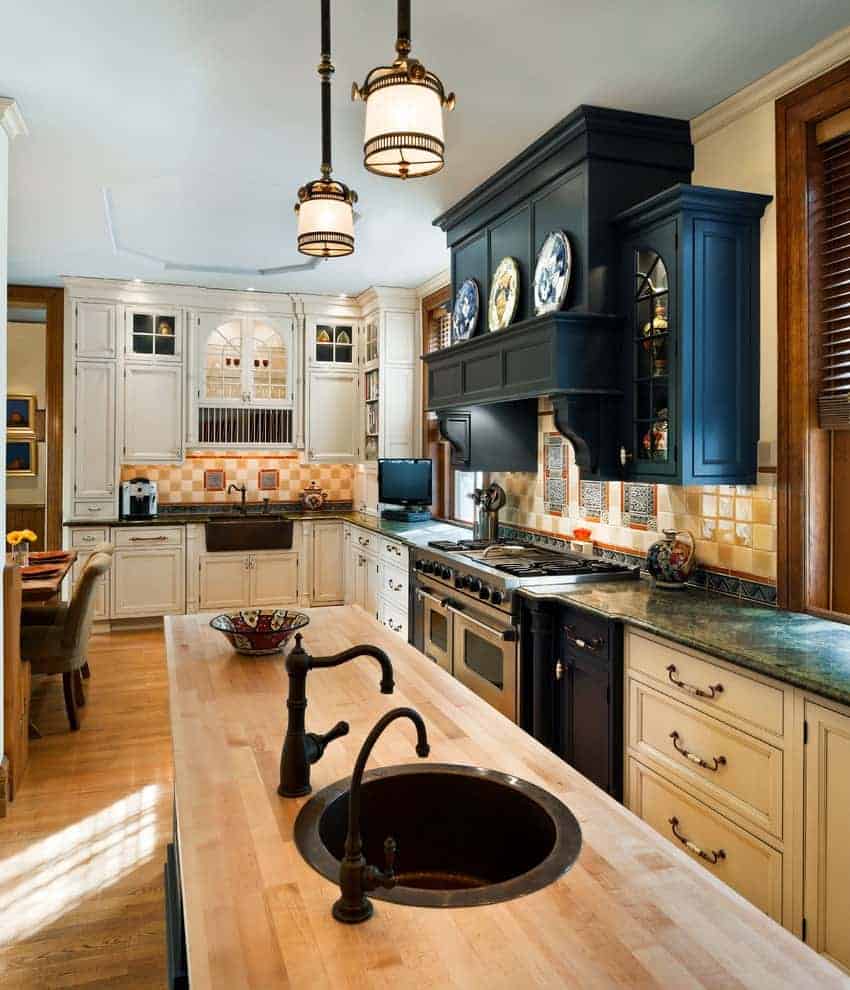
The decorative plates on the black range hood is the idea I didn’t expect to love as much as I do.
Hanging plates on or near the range hood treats the hood as a display surface rather than just extraction equipment.
The Victorians displayed ceramics constantly — on dressers, shelves, walls, and above windows — because they understood that a kitchen full of beautiful objects is a kitchen worth working in.
The Rooms That Made Me Want to Completely Redo My Kitchen
Some kitchens do more than inspire. They make you restless.
Light Blue Island and Wrought-Iron Pot Rack
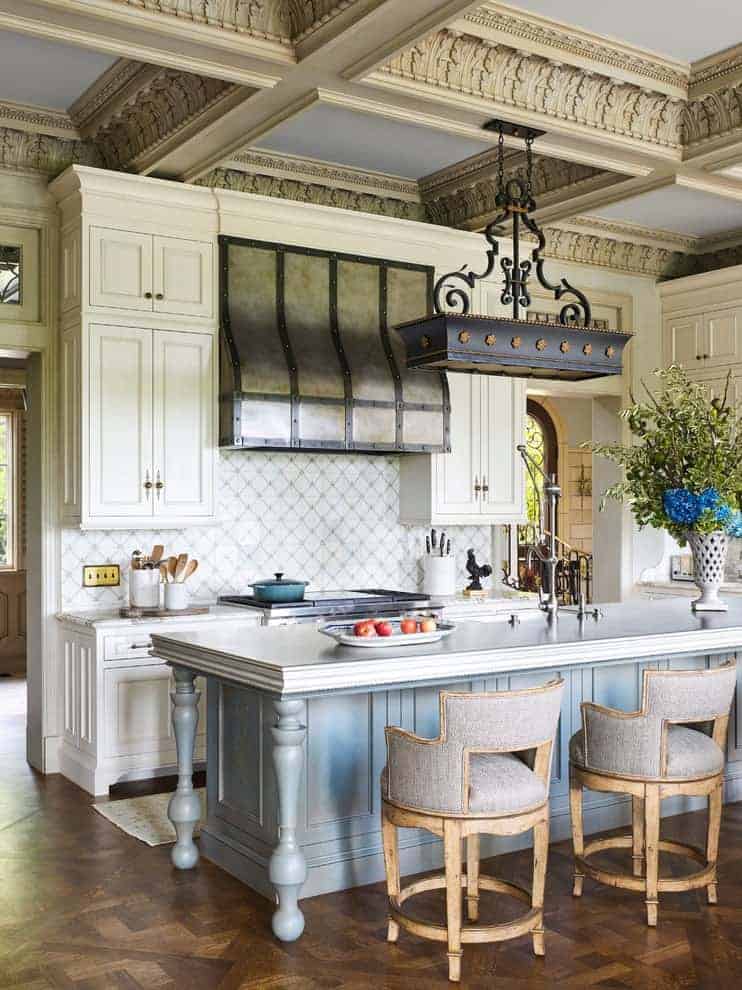
Light blue in a Victorian kitchen is less obvious than green or cream, and more interesting for it.
The wrought-iron pot rack is the functional Victorian element that every kitchen with good ceiling height should consider.
It frees up cabinet space, keeps the most-used pots accessible, and adds an industrial dimension to the kitchen that references the cast-iron ranges and metal fittings of the Victorian working kitchen.
It also forces you to own fewer, better pots — which is probably a good thing.
Stone Alcove Hood with a Rustic Mantel
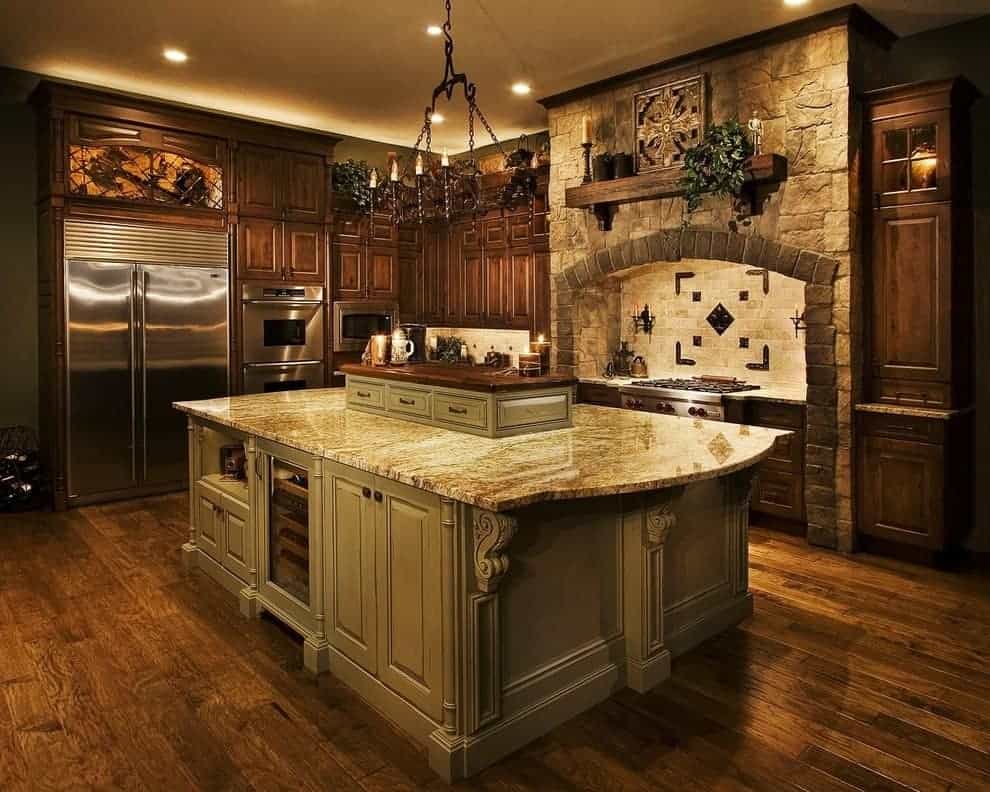
This kitchen made me stop and look for a long time.
The stone alcove hood with a rustic wooden mantel treats the cooking area exactly as the Victorians treated the kitchen fireplace — as the hearth of the room, something worth building around and beautifying.
What I find most interesting is the natural wood cabinetry. Victorian kitchens were not all dark mahogany and carved ebony — plenty of them used simpler painted or plain-wood cabinetry in a utilitarian tradition.
Tufted Wingback Chairs, Cathedral Ceiling, and Dark Beams
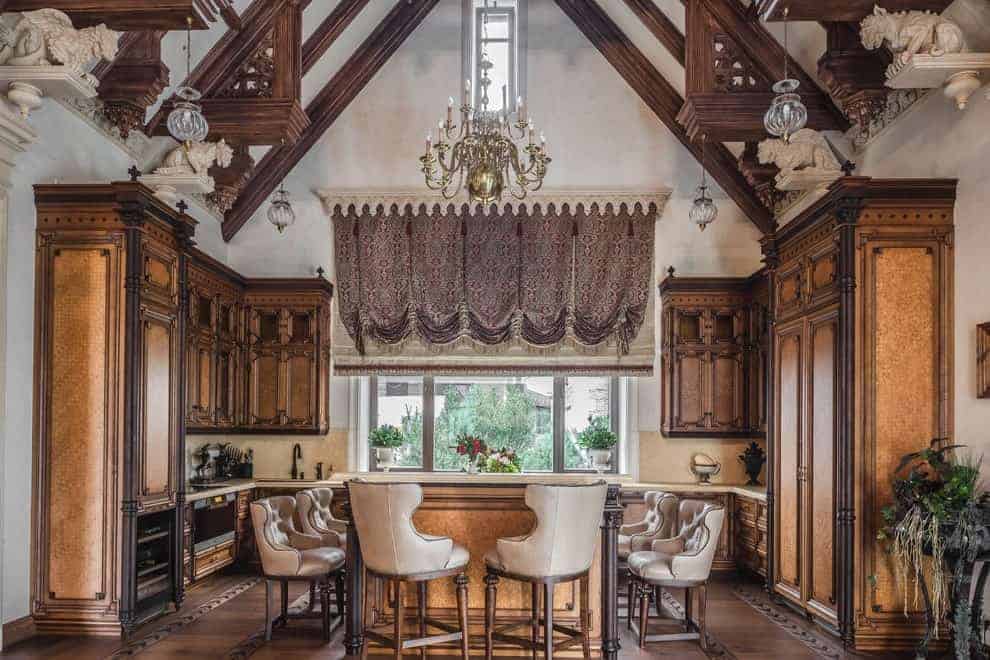
This is the most ambitious room in this collection, and it earns every inch of its ambition.
Tufted wingback chairs at a kitchen island are the furniture decision that turns a kitchen into a room.
Wingback chairs are deeply Victorian — they appear in every Victorian parlor, study, and sitting room — and bringing them into the kitchen erases the line between the work room and the living room in the most elegant way possible.
They are also, incidentally, extremely comfortable for the kind of long kitchen conversations that start at breakfast and end at noon.
Marina came to visit last spring and we sat in the kitchen until midnight talking. I kept thinking: if the chairs had been different, we would have moved to the living room hours earlier. The room you’re in matters more than people admit.
A Few Things Worth Keeping in Mind
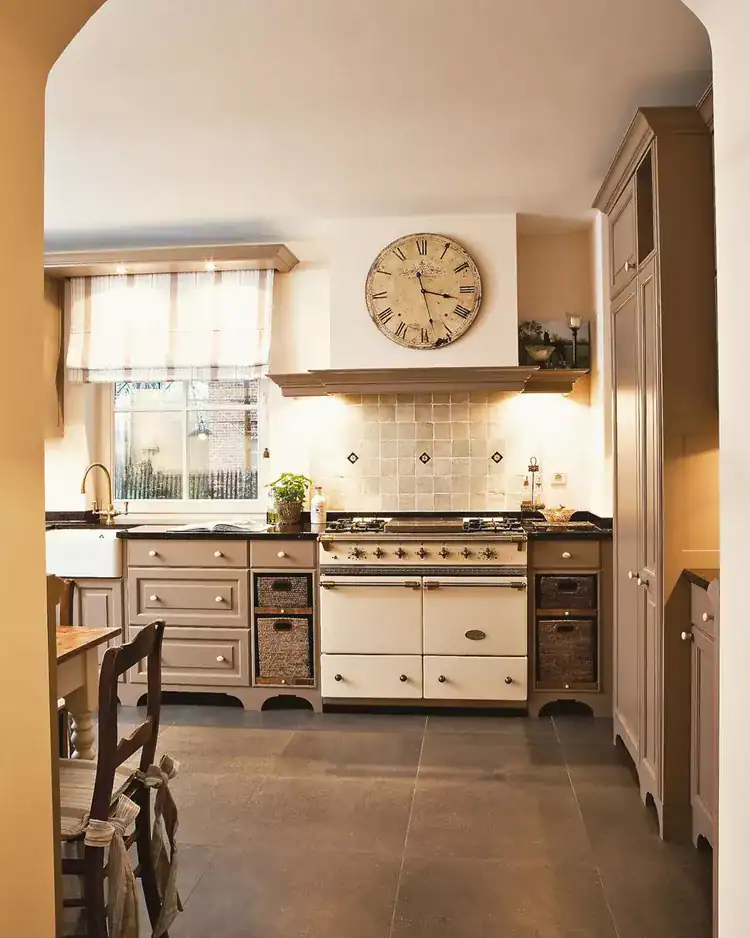
Victorian kitchens are not about perfection. They are about character — and character takes time to accumulate.
Start with one strong architectural decision: a floor, a hood, a ceiling detail. Build the cabinetry and surfaces around that. Then let the kitchen fill in slowly: a rug found at a market, a set of plates inherited or collected, curtains that took three tries to get right.
The rooms above didn’t arrive fully formed. They are the result of someone caring about a kitchen for long enough to make a lot of small right decisions. That’s the only way a Victorian kitchen actually happens.
And honestly? It’s the best possible reason to take your time.

I’m Katerina Lithopoulou, co-creator of DIY Cozy Living. I’ve always loved the little things that make a space feel special. With a background in language and a passion for photography and cozy design, I enjoy turning everyday inspiration into simple ideas people can actually use.
My motto: “Cozy isn’t a trend — it’s a feeling.”
