
The Modern Victorian Look Is Taking Over Homes, and These 10+ Rooms Show Why

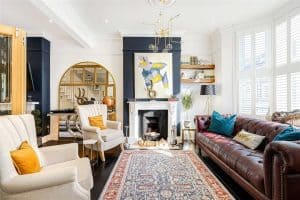
There’s something about Victorian homes that just pulls you in. The ornate moldings, the rich colors, the feeling that every room has a story. But let’s be real. Living inside a museum gets old fast.
That’s exactly why contemporary Victorian interiors have become such a thing. You get to keep all those gorgeous details that make Victorian design so special, but you mix them with clean lines, lighter palettes, and furniture you can actually relax on. No velvet ropes required.
I’ve been obsessed with this look ever since we visited a friend’s renovated apartment in Athens. She had original ceiling medallions and a carved marble fireplace, but everything else was modern. White walls, a simple linen sofa, brass lighting. It worked beautifully. And it didn’t cost her a fortune.
So if you’ve been wondering how to bring that Victorian charm into your home without it feeling heavy or dated, this is your guide. Everything here is doable on a normal budget, and most of it you can tackle over a weekend.
What Contemporary Victorian Actually Means (And Why It Works)
Let me clear something up first. Contemporary Victorian interiors are not about recreating a period room. Nobody is asking you to buy a fainting couch or hang portraits of someone else’s ancestors.
What this style really is?
It’s a conversation between two eras.
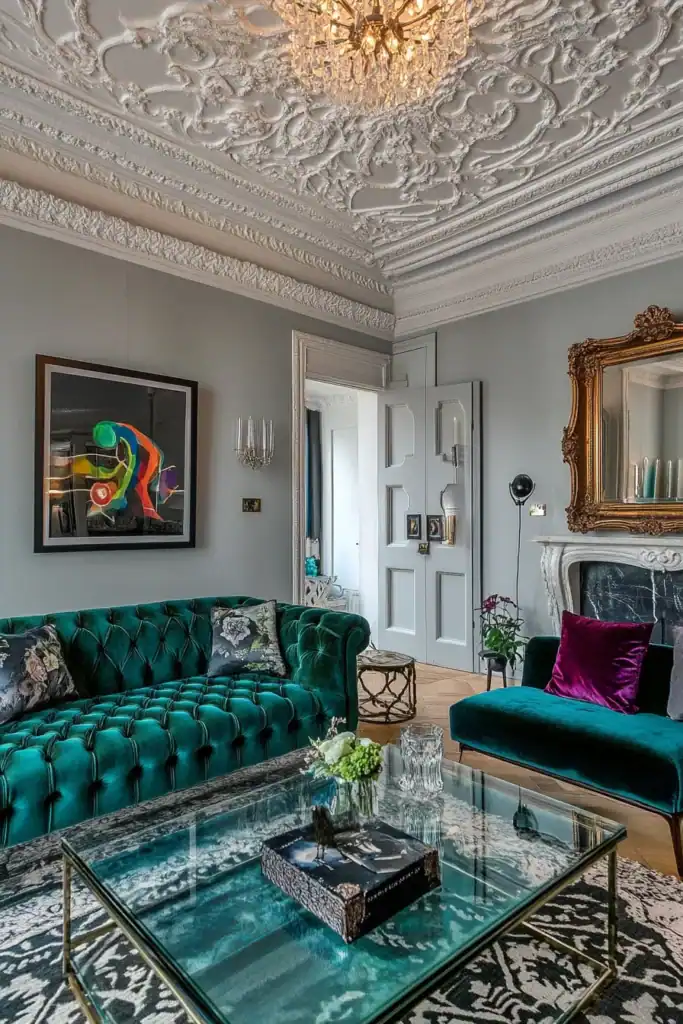
You take the architectural bones and decorative instincts of the Victorian period and pair them with the simplicity and comfort of modern design. Think ornate plaster ceiling with a minimalist pendant light hanging from it. Or a clawfoot tub sitting on sleek hexagonal floor tiles.
The reason it works so well is contrast. Victorian design is all about layers, texture, and richness. Modern design strips things back. When you put them together, each one makes the other look better.
The Victorian details pop because they’re surrounded by calm, clean space. And the modern pieces feel warmer because they’re sitting next to something with real character.
This is also why it’s so forgiving as a decorating style. You don’t need a Victorian house to pull it off. A single architectural element or a couple of well-chosen vintage pieces can do the job in any space.
The Contemporary Victorian Color Palette
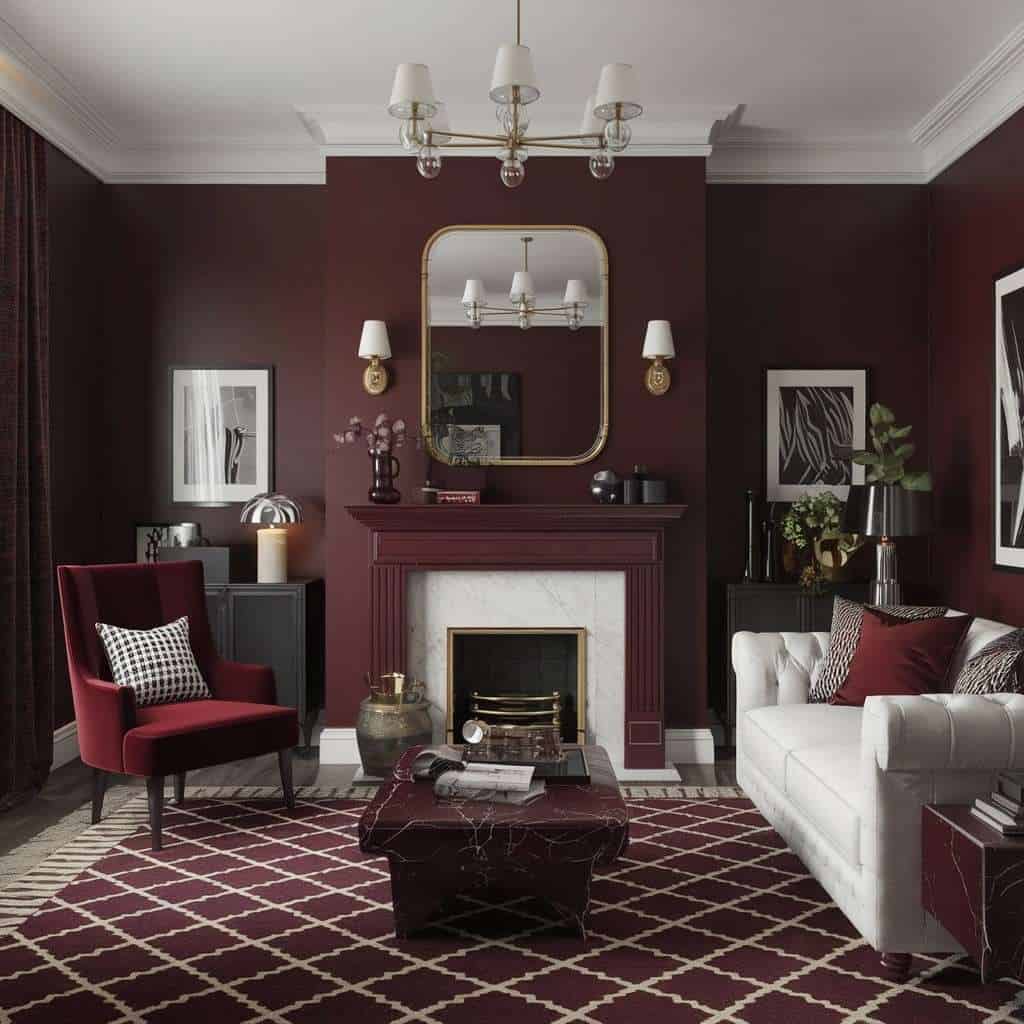
Color is where most people get this style wrong. Traditional Victorian rooms went deep and dramatic. Think burgundy walls, forest green drapes, dark wood everything. Gorgeous, but it can make a room feel like it’s closing in on you.
The contemporary version keeps the warmth but lightens the load. Here’s what works:
Warm neutrals as your base. Creamy whites, warm grays, and soft taupes open up the room while still feeling cozy. Skip anything that reads as stark or cold. You want the walls to feel like old paper, not a hospital.
One rich accent color. Pick a single Victorian-inspired shade and use it with intention. A deep teal on one accent wall. Dusty rose on your throw pillows. Plum on your curtains. One saturated color against neutral walls creates that Victorian drama without the heaviness.
Metallic touches in brass and gold. Victorians loved their gilding, and this is one detail that translates perfectly. Swap out chrome cabinet pulls for brass ones. Add a gold-framed mirror. These small touches cost almost nothing and they instantly read as Victorian.
The whole idea is restraint. Victorians used every color in the paint shop at once. You’re picking two or three and letting them breathe.
Walls That Do the Heavy Lifting
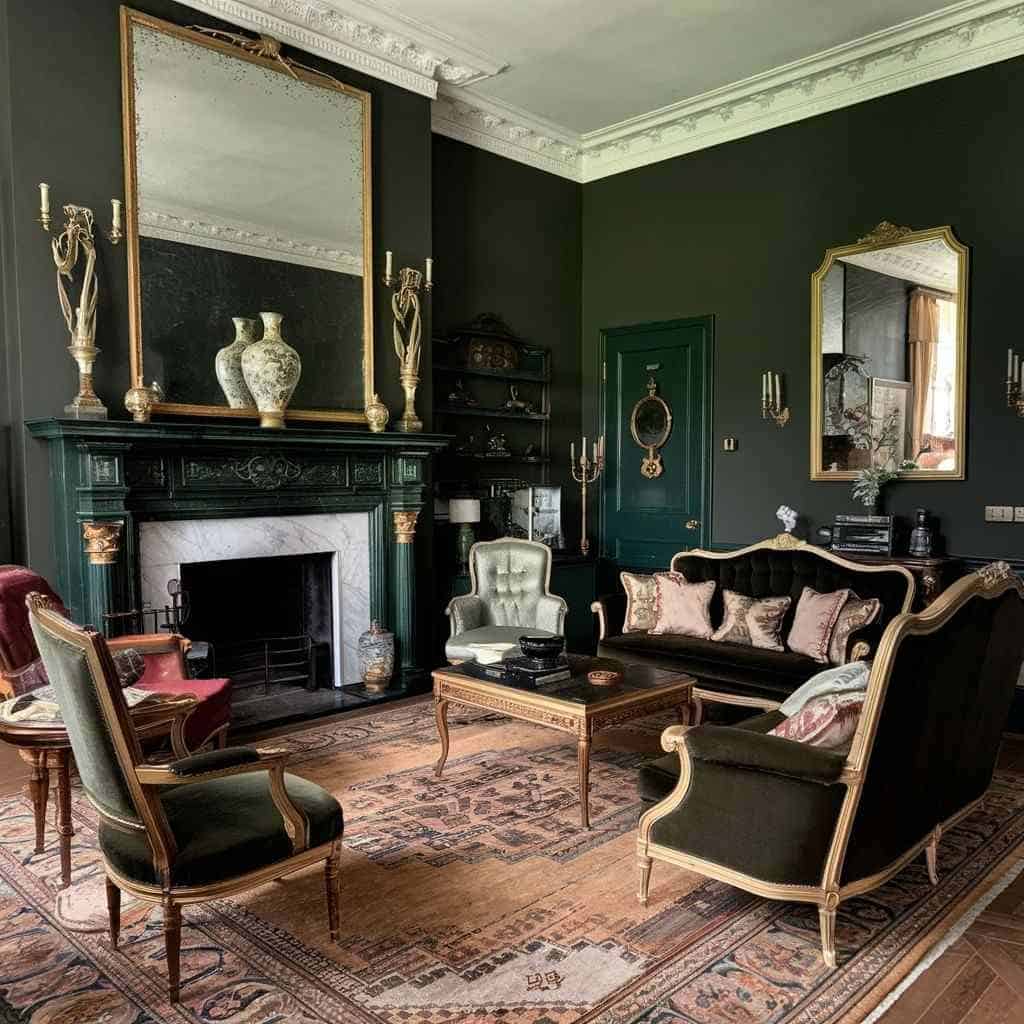
If you want instant Victorian character, start with your walls. This is the single biggest transformation you can make, and half of these ideas cost less than a nice dinner out.
Picture rail molding. This is my number one recommendation. A simple strip of molding installed about 12 inches below the ceiling instantly makes a room feel more Victorian. You can find pre-made molding at any hardware store for a few euros per meter, and it goes up with basic tools and some wood glue. Paint it the same color as your walls for a subtle effect, or white against a colored wall for more definition.
Wallpaper, but just a little. Full-room Victorian wallpaper can be overwhelming. Instead, paper one accent wall or just the space below a chair rail. William Morris-inspired botanical prints are the classic choice, and peel-and-stick options mean you can experiment without commitment. We tried a deep green floral print on one wall of our hallway and it completely changed the feel of the space.
Wainscoting and paneling. Board and batten or simple rectangular panel molding on the lower third of a wall is another fast way to add Victorian-era character. There are tons of tutorials for this as a weekend DIY project, and the materials usually run under 100 euros for a whole room.
The trick with walls is to pick one treatment per room. Victorian homes layered everything. You’re going for one strong gesture that sets the tone.
Mixing Furniture From Two Different Centuries
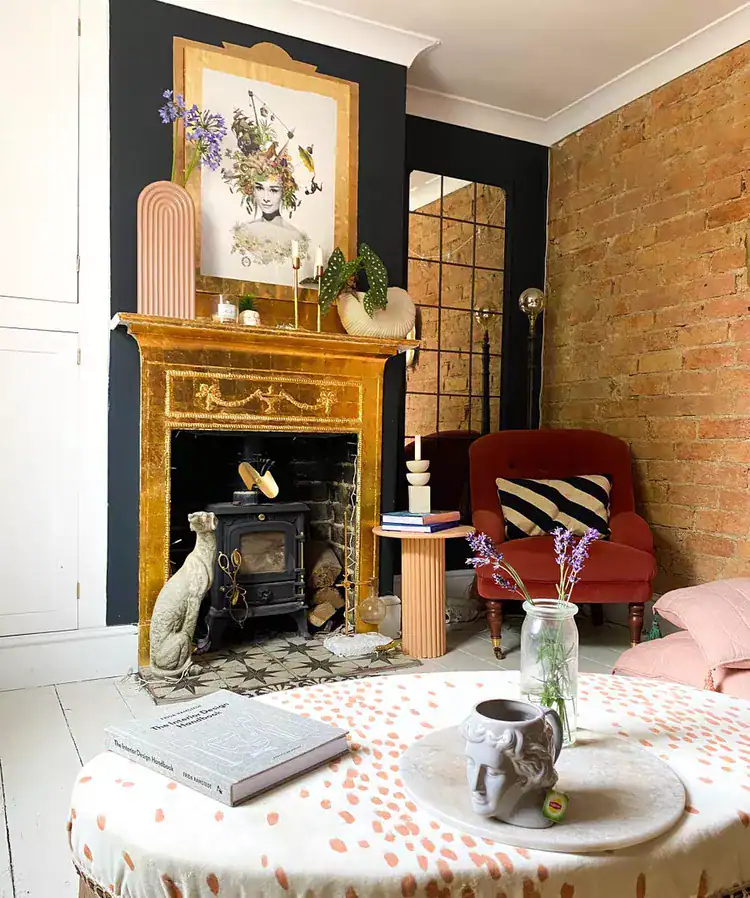
This is where the fun happens. And also where people freeze up because they’re afraid of getting it wrong.
Here’s a simple rule that works every time: keep the big pieces modern and let the smaller accent pieces be Victorian.
Your sofa, your dining table, your bed frame? Clean lines, simple shapes, neutral upholstery. Your side table, your mirror, your bookshelf, a reading chair? That’s where you bring in the carved wood, the turned legs, the vintage character.
This works because the large pieces set the overall feel of the room. If your sofa is a tufted Chesterfield and your coffee table has cabriole legs and your curtains are heavy brocade, the room tips into costume territory. But a modern sectional next to a Victorian side table with a marble top? That looks intentional.
The other thing to keep in mind is scale. Victorian furniture tends to be tall and imposing. A massive Victorian wardrobe might overwhelm a modern room, but a Victorian writing desk or a small display cabinet fits right in. Look for pieces that are interesting without being enormous.
Budget tip: flea markets and Facebook Marketplace are goldmines for small Victorian accent furniture. People sell gorgeous pieces for almost nothing because they think nobody wants “old stuff” anymore. Their loss, honestly.
Victorian Details Worth Keeping (And the Ones to Skip)
Not every Victorian idea deserves a comeback. Here’s how to sort through the catalog.
Keep: ceiling medallions and roses. Even if you don’t have originals, lightweight polyurethane medallions cost under 20 euros and install in an afternoon. Put one around your main light fixture and it instantly adds a layer of elegance that no amount of modern decor can replicate.
Keep: decorative door hardware. Swap out your plain modern door handles for ceramic or brass Victorian-style knobs. This is a 10-minute job per door and the difference is surprising. Porcelain knobs especially have that vintage feel without looking fussy.
🔥 Would you like to save this?
Keep: layered textiles. Victorians understood that texture makes a room feel lived in. Layering a modern throw over a textured cushion on a simple sofa gives you that richness without the clutter. Think velvet, lace, embroidered linen. Mix them in small doses.
Skip: heavy window treatments. Victorian windows were dressed in multiple layers of fabric with swags and valances and fringe. In a contemporary space, this reads as dated fast. Go with simple linen curtains in a rich color instead. You get the softness without the weight.
Skip: wall-to-wall pattern. One patterned element per room is plenty. If you have a Victorian wallpaper accent wall, keep your textiles solid. If your throw pillows are botanical print, keep the walls plain. Pattern on pattern on pattern is what makes Victorian rooms feel suffocating.
Skip: dark stained wood everywhere. A single piece of dark wood furniture is a statement. Every surface in dark wood is a cave. If you have dark wood floors, balance them with lighter walls and furniture.
5 Contemporary Victorian Interior Ideas to Inspire Your Next Project
1. The Modern Parlor Living Room
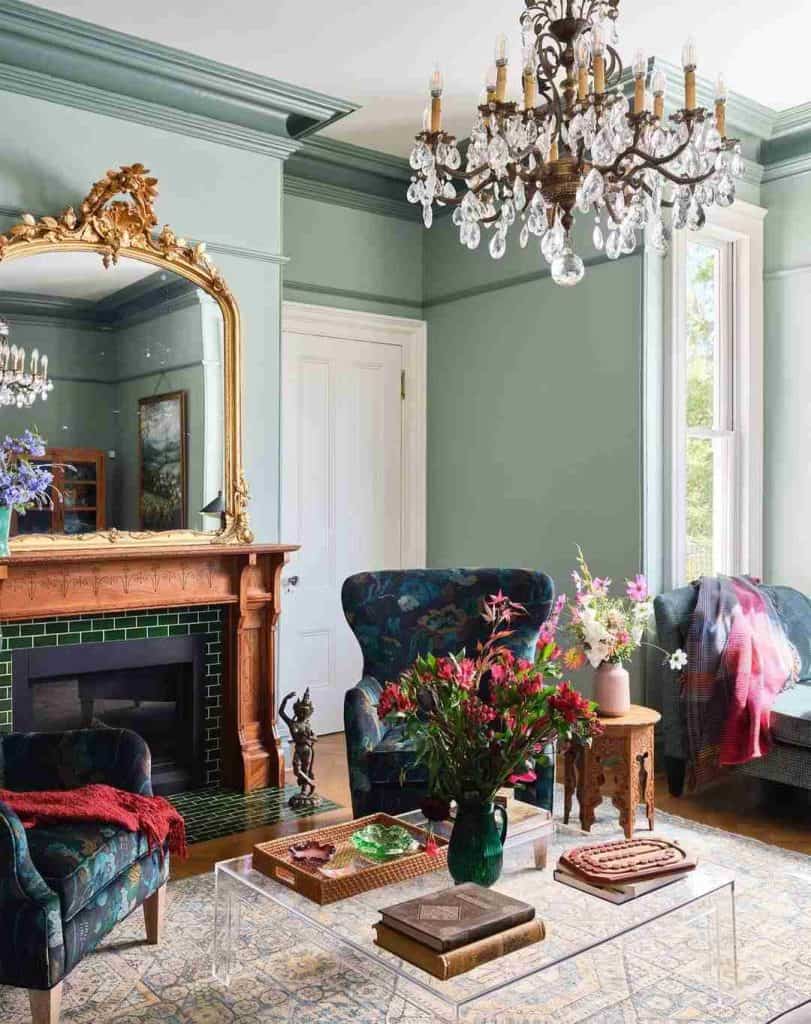
Start with a deep sage green accent wall and install simple picture rail molding painted to match.
Place a clean-lined gray linen sofa in front of it, then flank it with mismatched Victorian side tables you found secondhand.
Hang an oversized gilded mirror above a floating shelf styled with brass candlesticks and a few old hardcover books. The floor stays simple with a natural jute rug. Everything modern does the heavy lifting while those few vintage pieces tell the story.
2. The Collected Hallway
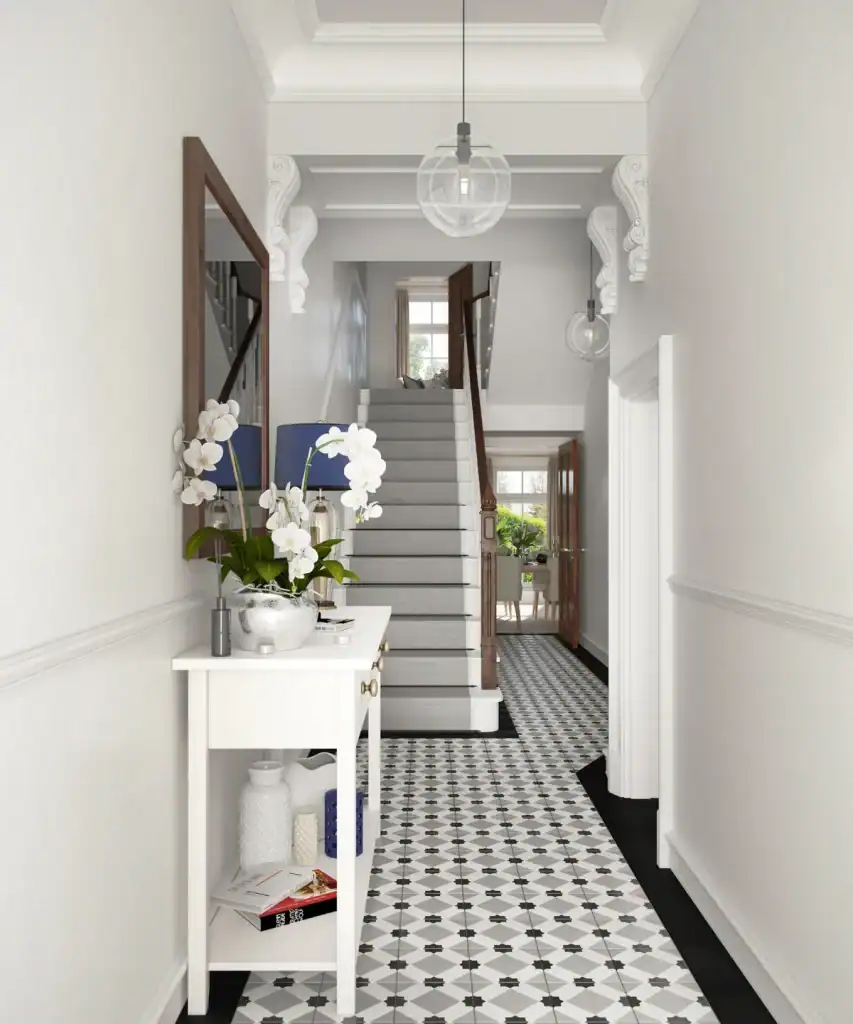
This one works even in the tiniest entryway. Lay black and white checkered vinyl tiles (the peel-and-stick kind runs about 30 euros for a small hallway).
Mount a dark wood Victorian hat rack or a set of ornate brass hooks on one wall. Opposite that, hang a gallery arrangement of three or four mismatched vintage frames around a single round convex mirror.
Add one modern wall sconce in brushed brass. The checkerboard floor does all the Victorian talking. Everything else just stays out of its way.
3. The Jewel Box Bathroom
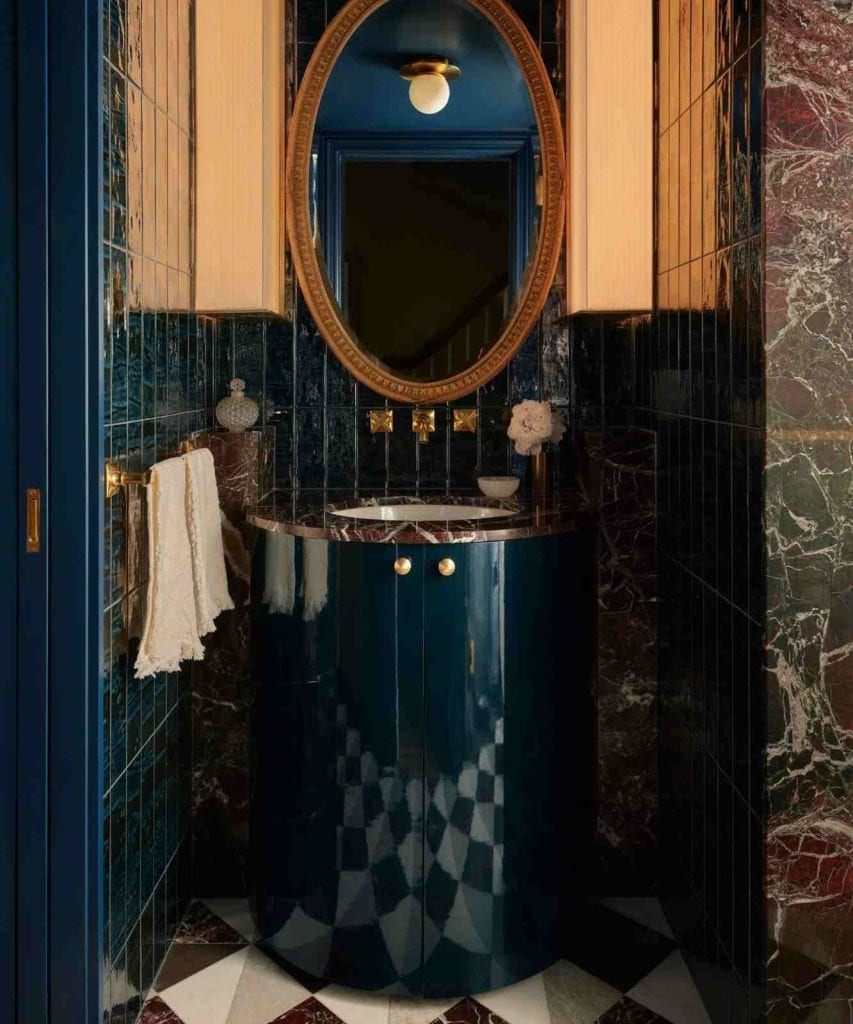
Paint three walls in warm white and wallpaper the fourth in a deep botanical print. Think dark leaves on a navy or forest green background.
Keep the fixtures modern and simple, but swap out the standard chrome for unlacquered brass taps and towel bars.
Hang a vintage-style oval mirror with a thin brass frame above the vanity. Roll your towels in a dark, rich color that picks up the wallpaper. This turns even a basic builder-grade bathroom into something that feels intentional and a little bit luxurious.
4. The Quiet Victorian Bedroom
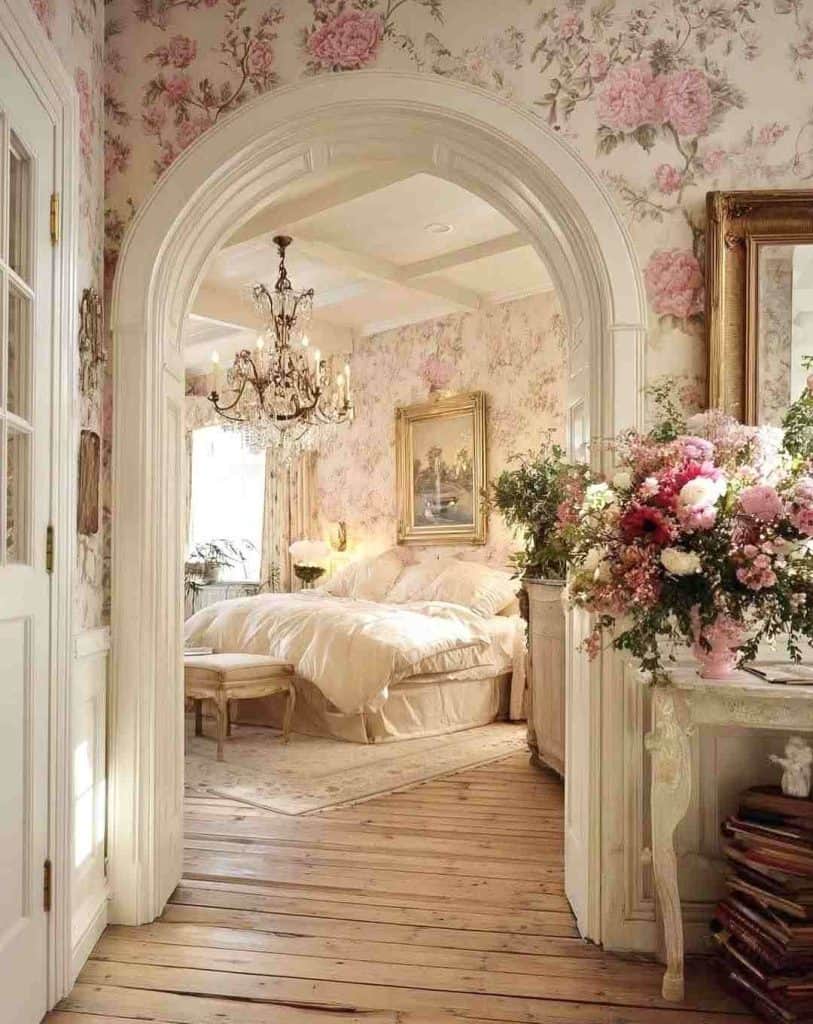
This look is all about softness. Start with walls in a dusty rose or warm mushroom tone. Your bed frame stays modern and low profile, but pile it with layered bedding in mixed textures.
A linen duvet, a velvet throw folded at the foot, embroidered pillowcases. Put a small Victorian writing desk in the corner instead of a modern nightstand on one side.
Add one dramatic element overhead, like a ceiling medallion around your light fixture or a small crystal chandelier from a salvage shop. Keep the curtains simple linen in a tone darker than the walls.
It should feel like a room in a boutique hotel that happens to have a soul.
5. The Kitchen With One Foot in Each Century
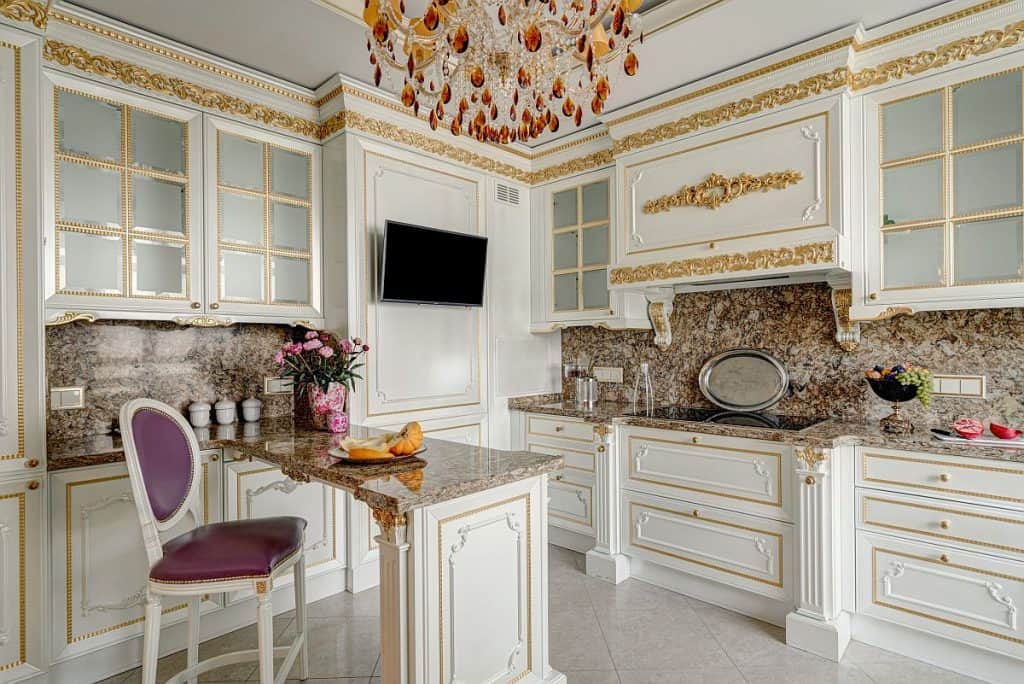
Keep your cabinets, countertops, and appliances fully modern. That’s your foundation.
Then layer in Victorian character through the details. Replace plain cabinet pulls with ceramic or ornate brass knobs.
Open up one section of upper cabinets and display a mix of white ironstone dishes and vintage glass jars.
Hang a single Victorian-inspired pendant light over the island or sink. If you have the budget for one splurge, go with encaustic-look patterned floor tiles or a tile backsplash in a classic Victorian geometric pattern. The kitchen stays functional and easy to clean while those small details add the personality.
How to Start Without Redoing Everything
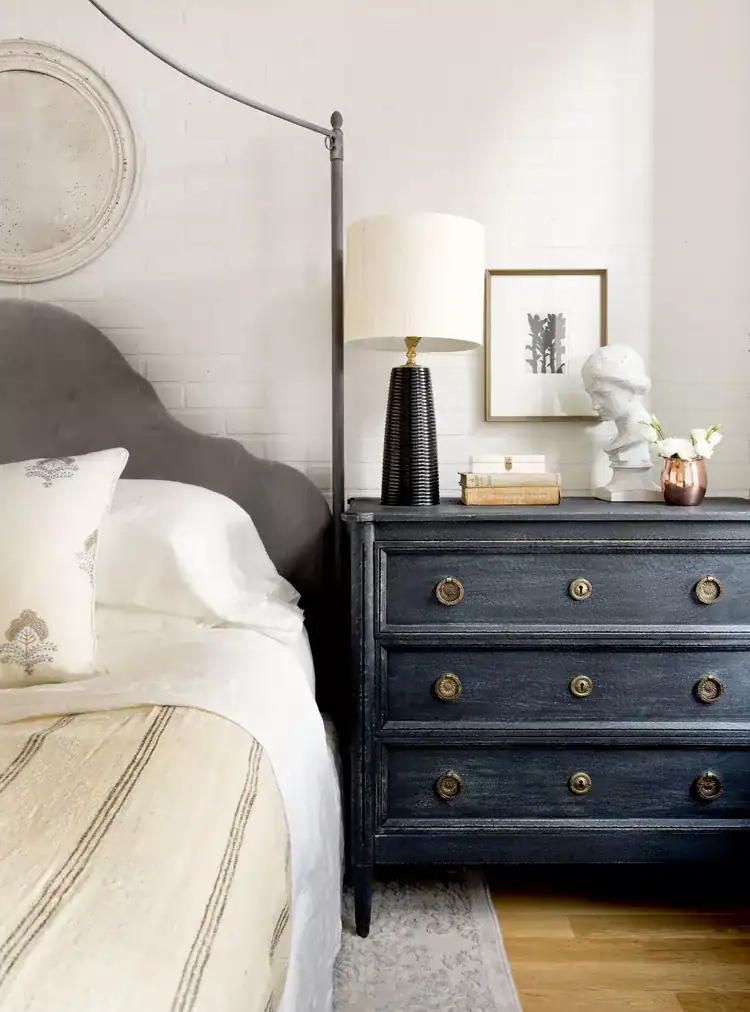
You don’t need to renovate your entire home to get this look. Start with one room. Even one corner.
If I had to pick a first project, I’d say your living room or your hallway. Living rooms give you the most to work with because of their size. Hallways are great because they’re small spaces where one bold move has a huge impact. A strip of picture rail molding, a Victorian-style mirror, and a brass wall sconce can turn a boring corridor into something people actually notice when they walk in.
Here’s a quick weekend plan to get you started:
- Pick your wall treatment. Picture rail molding or a peel-and-stick wallpaper accent. Either one takes a few hours and under 50 euros.
- Find one vintage accent piece. Hit a flea market or search online for a small side table, a decorative mirror, or a set of vintage brass candlesticks.
- Update your hardware. Swap out one set of door handles or cabinet pulls for Victorian-style brass or ceramic. You’ll notice the difference every time you open a door.
- Add one textile layer. A velvet throw or a couple of embroidered cushion covers in a deep, rich color.
That’s it. Four changes, one weekend, probably less than 150 euros total. And you’ll walk into that room Monday morning and it will feel like a completely different space.
The beauty of contemporary Victorian interiors is that they grow with you. Start small, add pieces as you find them, and let the style develop naturally.
The best Victorian-inspired rooms I’ve seen weren’t designed all at once. They were collected over time, one thoughtful piece at a time. And that’s exactly how the Victorians did it too.

I’m Anastasios Moulios, co-founder of DIY Cozy Living. I enjoy finding creative, practical ways to make small spaces feel warm, stylish, and lived-in. I started this blog with Katerina to share real ideas that make a home feel a little more personal and a lot more comfortable.
