

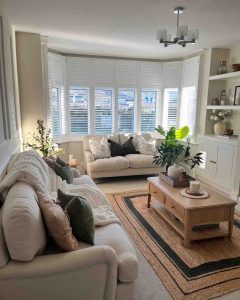
If I found myself in a completely bare living room today – just four walls and a floor – I wouldn’t be stressed, I’d be glad.
It’s a huge benefit to begin with nothing, as you aren’t having to work around a hand-me-down armchair which isn’t really what you want, or a rug which is far too small. You’re able to get the room’s basic structure right, right away.
The reason most people don’t manage to redecorate well is that they buy “things”. They see a lamp they happen to like, and purchase it. They find a chair which is on special offer, so they take it.
Before long, they’ve got a room full of items they each like, but the room as a whole is a bit of a jumble. To stop this happening, you need to stop thinking of yourself as a shopper and start to think of yourself as someone who puts collections together.
Let’s dive in!
Designing for Your Real Life
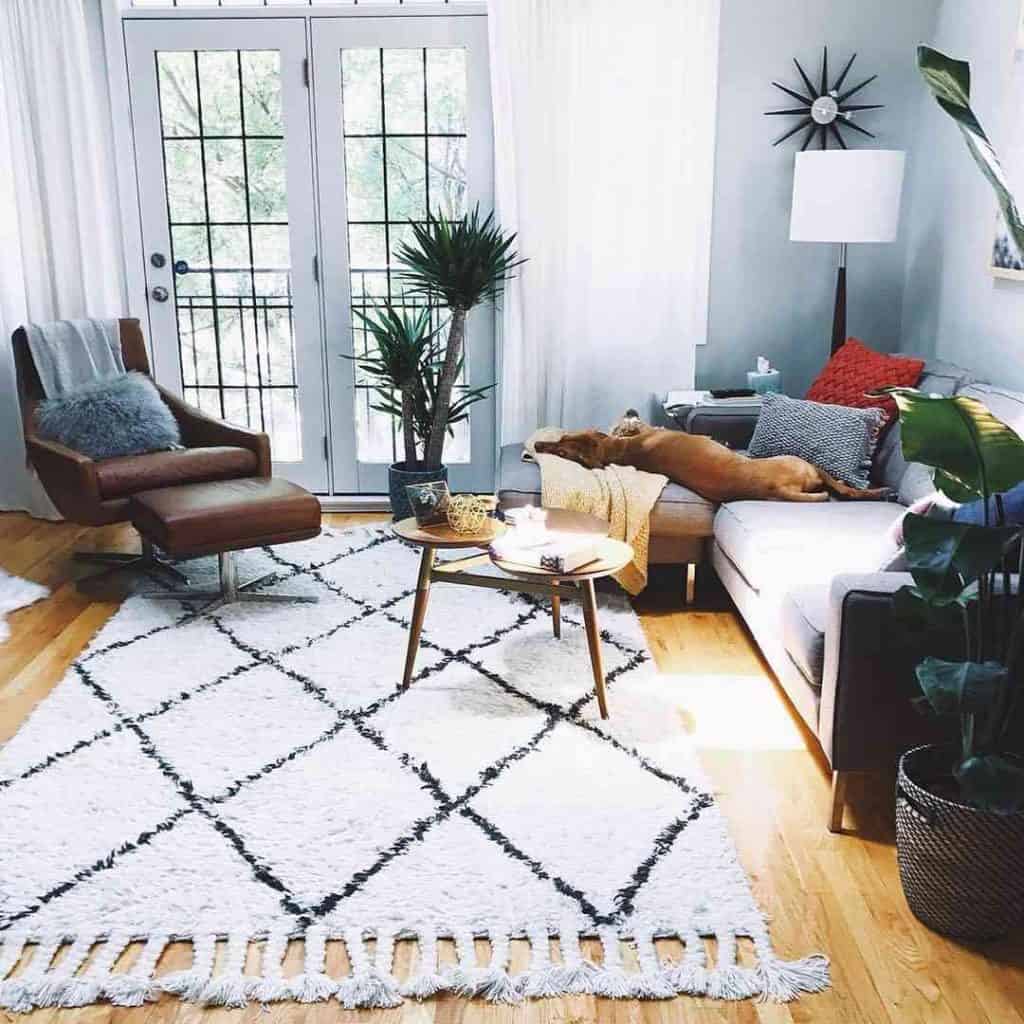
The very first thing I would do is sit on the floor of that empty room and honestly assess how I really live.
This is where most people who are new to this sort of thing go wrong. They design a room for the person they want to be – the kind of person who gives elegant cocktail parties and never eats on the sofa.
If you spend four hours every evening watching Netflix while you have dinner, you’re going to need a sofa with deep cushions and a tough material which won’t be ruined by a piece of pizza falling on it. And if you have a dog which sheds fur, a navy-blue velvet sofa is going to be awful for your peace of mind. You have to design for the life you actually have.
I would ask myself these three questions:
- Where is the sun at 4pm? (This tells you where to put the TV, to avoid glare).
- Where is the natural route people will take through the room? (You don’t want to be avoiding a coffee table every time you go to the kitchen).
- What one thing makes me feel most at ease? (For some, it’s a stack of books; for others, it’s a completely clear surface).
My Budget Hierarchy: The Touch vs. See Rule
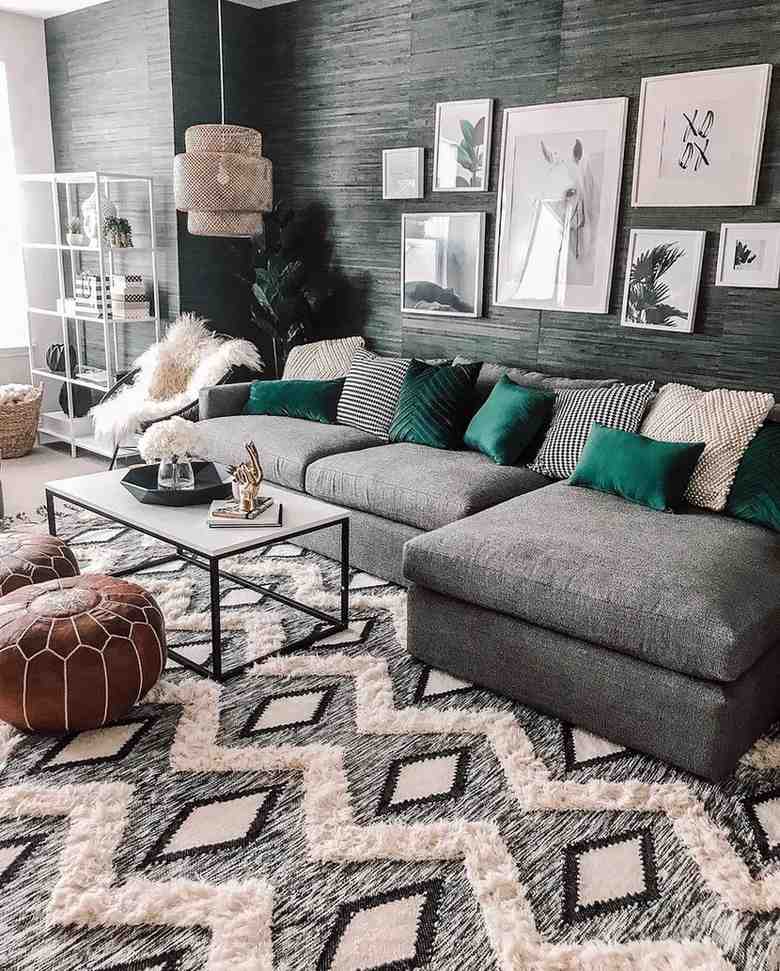
It doesn’t matter how much money you have – it isn’t enough to buy everything to a high standard. You have to decide what’s important. I use a very simple rule: spend your money on the things you touch, and save your money on the things you just look at.
You touch your sofa and your rug every day. If you buy a cheap sofa, the springs will begin to sag after eighteen months and the fabric will bobble. If you buy a cheap rug, it will feel like sandpaper under your feet. These are the items to spend your money on – they are the basis of your physical comfort.
On the other hand, you only look at your coffee table, your floor lamps and your pictures. A coffee table is, at base, a flat surface for holding a drink. You can get a lovely, solid wood coffee table from a charity shop for $40, sand it down, and it will look better than one costing $900 from a posh catalogue.
A lamp from a large store looks exactly like a designer lamp when the sun goes down and you switch it on. Spend the bulk of your money on the items you sit on and walk on
Lighting as a Great Equaliser
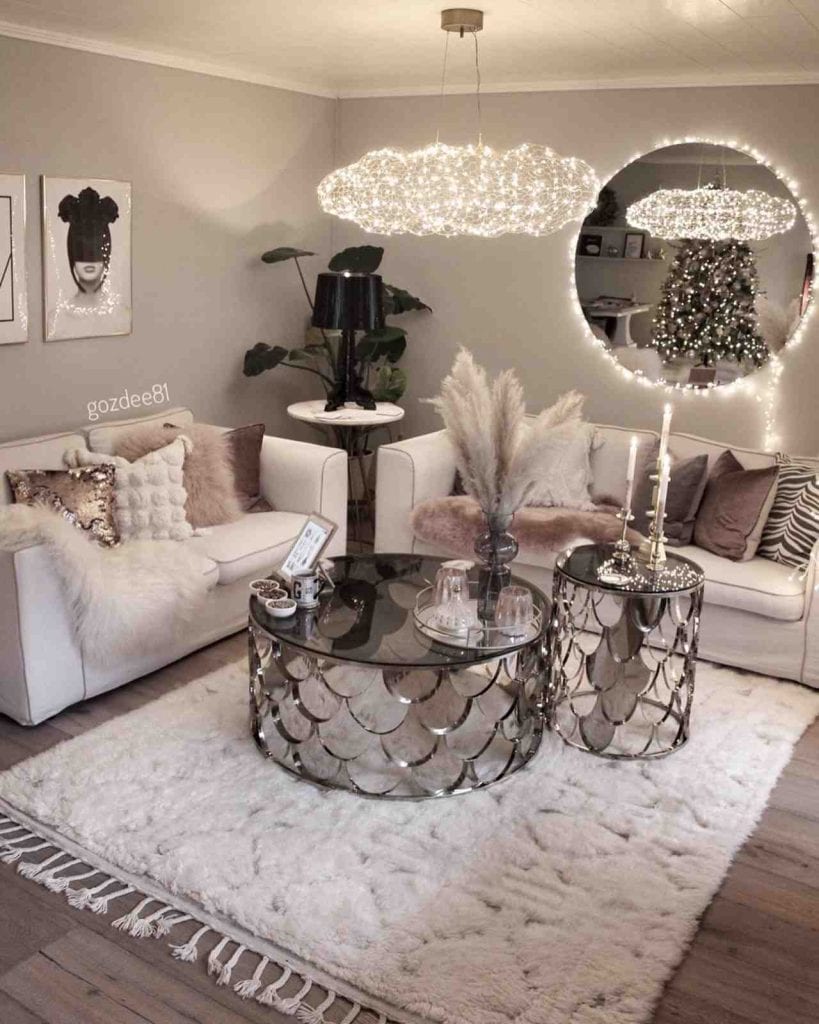
If you want to make a low-budget living room look like it cost a million dollars, you have to get rid of the “Main Light”. Overhead lighting is clinical. It makes the room look flat, shows up every flaw in your painting, and makes people look tired.
If I were redecorating, the very first thing I would buy is three lamps. I would put them at different heights around the room to make a triangle of light.
- The Floor Lamp: This gives height and spreads a soft glow on the wall.
- The Table Lamp: Put this on a side table or a shelf to give light for reading.
- The Accent Light: This might be a small “puck light” hidden behind a plant, or a picture light over a frame.
The secret is the bulb temperature. Never use daylight or cool white bulbs in a living room. They are for hospitals and garages. You want 2700K bulbs.
This is the temperature of a sunset. It turns a simple room into a cosy haven the moment you switch it on. If you can get smart bulbs which you can dim from your phone, all the better.
Being able to reduce the light by half in the evenings is the quickest way to tell your brain it’s time to unwind.
My Sofa Strategy
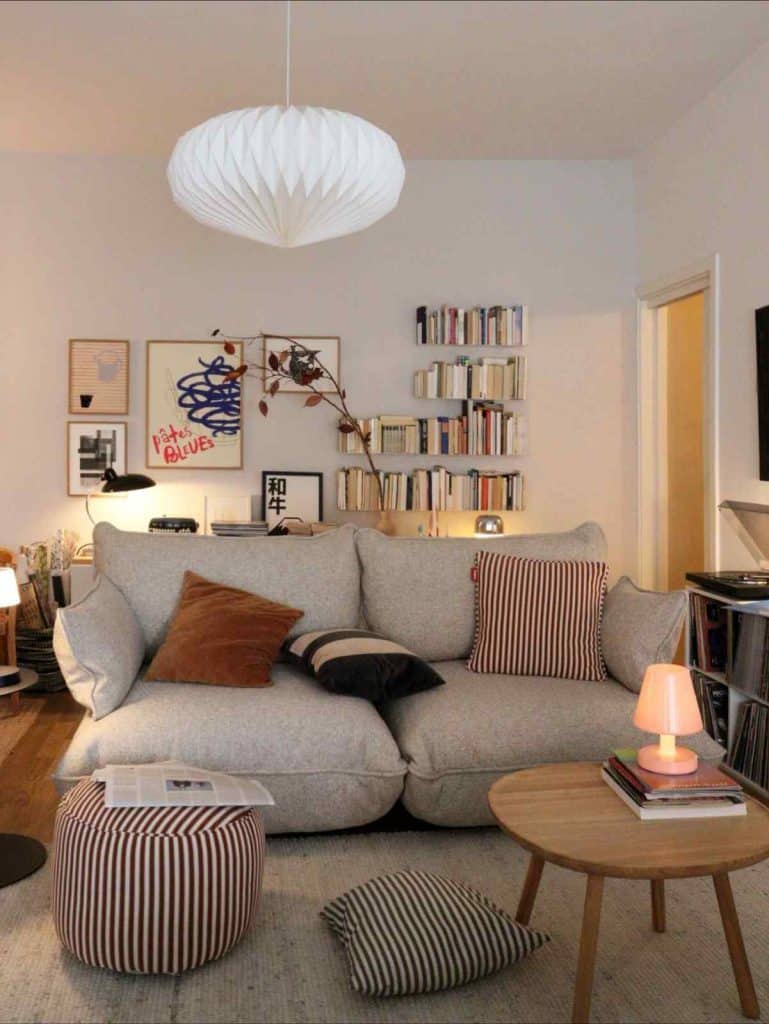
People who are new to this usually fret about sofa color – I think about size. A sofa which is too small makes a room seem like a playhouse; one that’s too large makes it feel like a self-storage unit.
If I was beginning again, I’d select a sofa that has a “simple” form – nothing with overly full arms or huge “pillow-top” cushions which will lose their shape. I’d choose a plain color such as oat, sand, or charcoal.
The reason is, you can completely alter the feel of a neutral sofa for fifty dollars by changing the throw cushions. If you purchase a bright orange sofa, you’re stuck with that orange sofa for the next decade.
I’d also stay away from a suite. Never get the matching sofa, loveseat, and armchair. It is the surest way to make a room look cheap and lacking imagination. Instead, buy the sofa you like, then locate a totally different armchair – perhaps a classic leather one, or a contemporary metal-frame chair. That incongruity is what makes a room look as if a designer did it.
The Rug Problem (Go Large, or Don’t Bother)
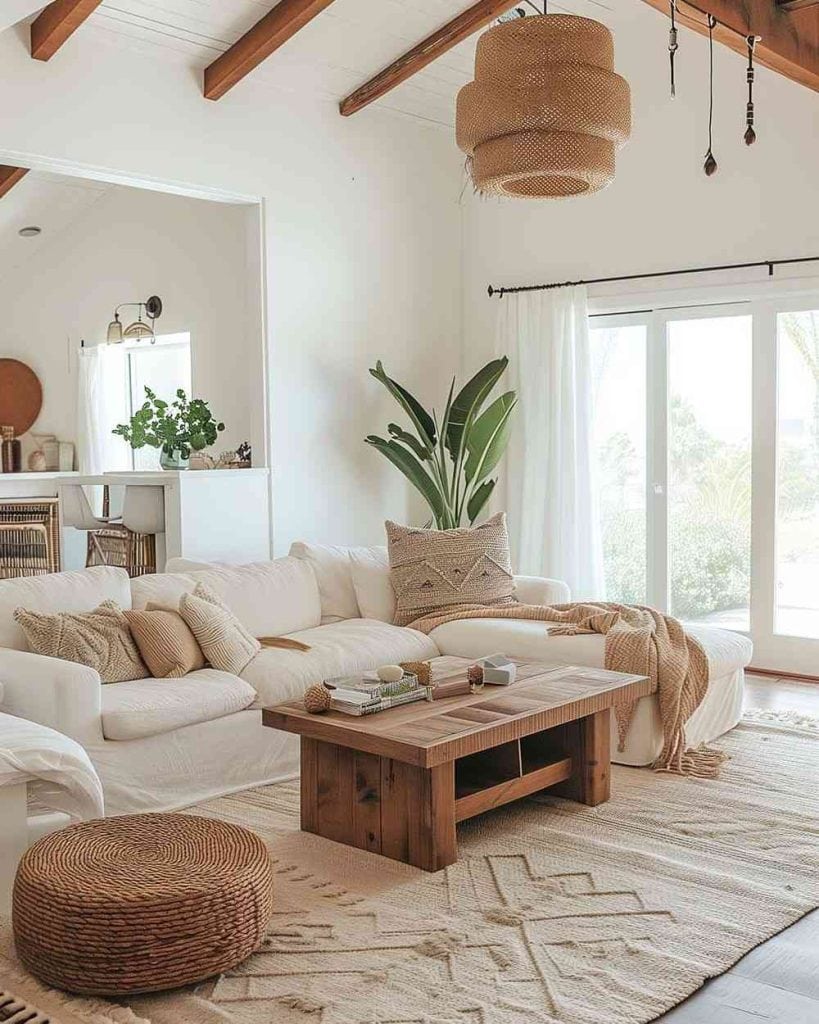
The worst error I observe in living rooms is what I term the “rug island” – when someone buys a 5×7 rug and lets it float in the room’s center, with none of the furniture touching it. It makes the room appear disconnected and small.
A rug should “hold” the seating area. At the least, the front legs of your sofa and armchairs should be resting on the rug. This makes a visual connection between the furniture, turning it into a unified “talking area”.
If a large wool rug is too costly, I would go for a natural fibre like jute or sisal. You can obtain a huge 9×12 jute rug for a small amount of the cost of a patterned one. It offers incredible texture, is tough, and smells of the outdoors. Should you want more comfort, you can “put” a smaller, softer rug on top of it later. But begin with the large foundation.
Searching for Character is Essential
A room containing only new furniture seems like a hotel. It lacks character. To correct this, you need the One Odd Item. Something with a past – a vintage chest used as a coffee table, an old wooden stepladder leaning against the wall to hold throws, or an elaborate gold mirror from an estate auction.
Looking in second-hand shops isn’t only about saving money; it’s about discovering items that no one else possesses. If I were starting out again, I’d spend my Saturday mornings in local charity shops or looking through Facebook Marketplace. I’m seeking “genuine” materials: solid wood, brass, marble, or leather. Avoid anything made from chipboard or plastic.
The One Odd Item gives the “tension” that makes the new furniture appear better. It shows people that you didn’t simply purchase a room in a box – you constructed it over time.
The “Last 10%” and the Strength of Arrangement
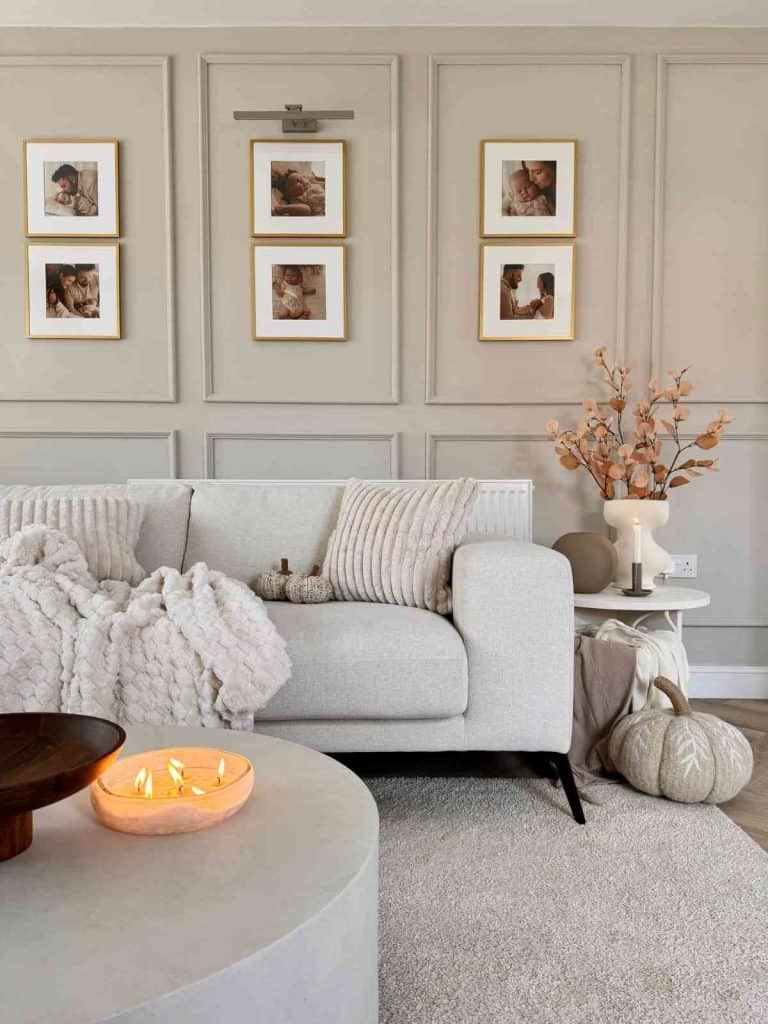
With the furniture in position, you have the “Last 10%”. This is where the personality is expressed. If you leave your surfaces empty, the room feels cold. If you fill them with tiny ornaments, it feels untidy.
I use the Rule of Three to arrange surfaces like coffee tables or shelves. Put items in groups of three, of differing heights. For instance:
- A stack of three large books (the base).
- A medium-sized candle or vase (the centre).
- A small, interesting thing like a brass bell or a special stone (the accent).
And finally, you require something living. A room without a plant is a lifeless room. You don’t want a conservatory. One large Snake Plant – which is almost impossible to destroy – in the corner adds a burst of dark green which gives life to the space.
If you’re bad at keeping plants alive, even a bowl of fresh lemons on the coffee table gives that natural “flash” which makes the room seem inhabited.
Art That Doesn’t Cost a Fortune
A lot of people who are new to art get stuck – they believe they’ve got to put up a ‘proper’ painting and it will cost a lot of money, or they end up with those rather ordinary, factory-made prints you find in so many homes.
I’d do it another way. I’d head for a charity shop and get the worst paintings I could, simply for the frames. I’d remove the pictures, save the good wood or gilt frames, and then put “real life” inside them.
- Put up an old map of the town you were raised in.
- Put up a lovely, interesting piece of material, or an old scarf.
- Put up three plain, monochrome pictures you took with your mobile.
When you put these all together on a wall, you’ll have a wall of pictures which has cost fifty dollars, but looks like a thoughtfully put-together collection. It will mean something to you, and so be worth more than anything you could buy in a shop.
Conclusion: The Room is Something You Work On
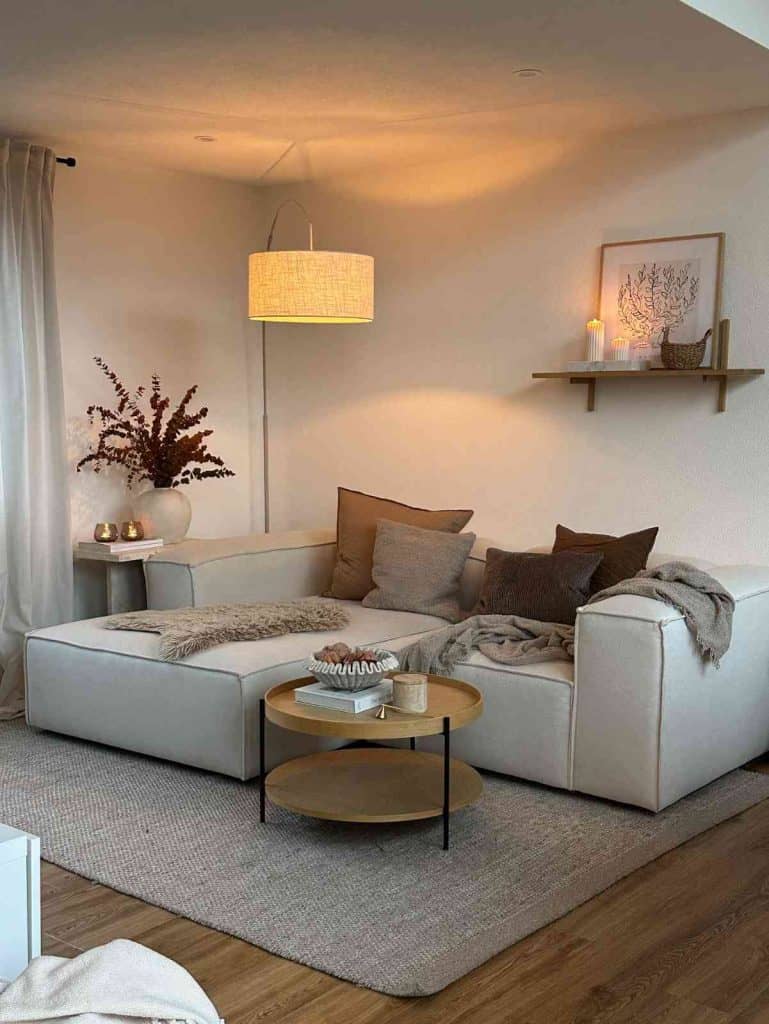
The best thing I can say to anyone who is starting to redecorate a room completely, is this: don’t bother trying to get the room finished. A house is something that is alive; it ought to grow and change with you. If you get everything on the first day, you don’t leave any space for the things you’ll come across on your next holiday, or the ideal artwork you haven’t yet found.
Get the ‘basics’ right – the settee, the carpet, and the lights. Then, once those are in place, live in the room for a month before you get anything else. Notice where you put your feet up by habit. Notice where you could do with a bit more light. Allow the room to tell you what it requires.
Decorating is not about getting things perfect; it’s about making a place where you can at last remove your shoes, relax, and be yourself. If you choose genuine materials, gentle light, and the things which really give you comfort, you can’t go wrong.
And….that;s it for today’s article! I really hope you found it helpful and interesting!
If you have any questions or comments feel free to write em down below and we will be more than happy to get back to you!
Until next time,
Stay safe,


I’m Katerina Lithopoulou, co-creator of DIY Cozy Living. I’ve always loved the little things that make a space feel special. With a background in language and a passion for photography and cozy design, I enjoy turning everyday inspiration into simple ideas people can actually use.
My motto: “Cozy isn’t a trend — it’s a feeling.”
