Call us: +306949885346

How to Snake-Proof Your Garden Without Chemicals

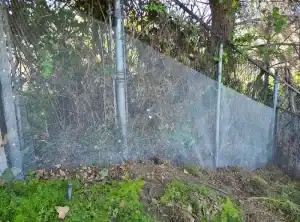
If you’ve spotted snakes slithering around your garden, you’re not alone — and you don’t have to reach for harsh chemicals to keep them away.
Whether you live in a rural area or a suburban neighborhood, snakes are attracted to certain environments — and a garden full of hiding spots can be the perfect invitation.
But the good news? You can snake-proof your garden naturally and effectively, using smart landscaping, simple deterrents, and a bit of strategy.
Let’s walk through how to do it — step by step.
Step 1: Understand Why Snakes Are Visiting

Before you can repel snakes, you need to know why they’re coming in the first place. Most often, it’s one or more of the following:
- Shelter – Overgrown plants, piles of wood, rock walls, and tall grass offer cool hiding spots.
- Food – Snakes feed on rodents, frogs, slugs, and even insects.
- Water – Ponds, birdbaths, or poor drainage can create snake-friendly environments.
👉 Snake-proofing starts with removing what attracts them.
Step 2: Clean Up Snake Hiding Spots
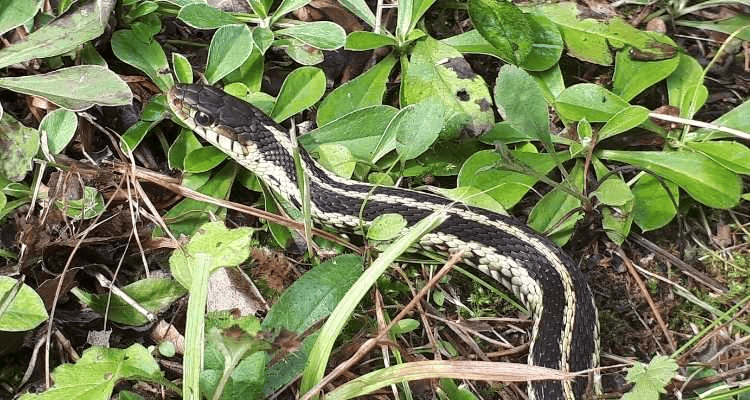
Snakes love places where they can hide without being noticed. Start by clearing and tidying up your garden to reduce their comfort zone.
- Trim tall grass, weeds, and bushy plants regularly.
- Remove leaf piles, mulch buildup, and compost heaps close to your home.
- Stack firewood off the ground and away from your main yard.
- Avoid clutter like tarps, unused pots, or boards — these are prime snake shelters.
🛠 Tip: Use landscaping cloth or pea gravel around garden beds to reduce warm, moist hiding places.
Step 3: Block Entry Points
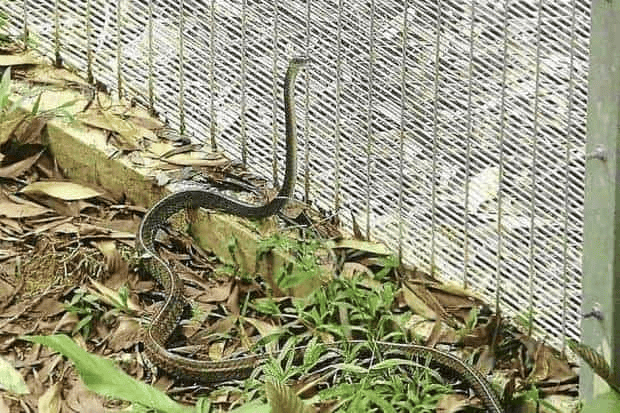
Snakes often enter through gaps in fences, under sheds, or through dense plant beds. To create a physical barrier:
- Install snake-proof fencing around vulnerable areas (like vegetable gardens or chicken coops). Use fine mesh hardware cloth at least 36 inches tall and bury the bottom 4–6 inches underground.
- Seal gaps under sheds, porches, or decks with boards or mesh.
- Consider lining the perimeter of your yard with sharp gravel or crushed rock — snakes dislike slithering over rough, uncomfortable surfaces.
Step 4: Use Natural Snake Repellents (No Chemicals)

There are several non-toxic, chemical-free ways to discourage snakes from sticking around:
✅ Natural Options:
- Essential oils: Clove, cinnamon, and cedarwood oils have strong scents snakes dislike. Mix with water and spray around borders, walkways, or patios.
- Garlic and onion spray: Chop and soak in water overnight. Spray where snakes have been spotted.
- Sulfur or crushed mothballs: Use cautiously around outer edges of your yard (never in veggie gardens or areas pets/kids play).
🚫 What to avoid:
- Ultrasonic snake repellents have mixed results.
- Most homemade sprays wash away easily — reapply after rain.
Step 5: Reduce Their Food Supply

No food = no reason for snakes to stay. Here’s how to cut off their food chain:
- Eliminate rodents by storing bird seed and pet food indoors.
- Use enclosed compost bins — avoid open piles.
- Don’t overwater your garden — excess moisture brings slugs and frogs.
- Seal trash cans tightly.
Even if you love a “wild” garden, keeping it tidy helps prevent attracting the entire food chain.
Step 6: Choose Snake-Resistant Plants and Landscaping

Believe it or not, your choice of plants and design can make a difference.
- Plant lemongrass – it naturally repels snakes and mosquitos.
- Add marigolds – the smell and dense roots discourage burrowing animals.
- Avoid dense ground covers or overgrown vines like ivy near your home.
Also consider gravel paths, clean borders, and open layouts — snakes are less likely to cross exposed areas.
Step 7: Get Pets or Set Up Motion Deterrents

- Guinea fowl, chickens, and even cats can naturally deter or alert you to snake activity.
- Motion-activated sprinklers or solar-powered lights can startle snakes and prevent them from getting too comfortable.
These aren’t foolproof, but they can tip the balance in your favor.
What to Do If You See a Snake
- Don’t try to kill it. Most snakes are harmless and protected in many areas.
- Back away slowly and keep pets and children at a safe distance.
- Identify the snake if possible — some garden snakes are helpful (they eat pests!).
- If it becomes a recurring problem, contact local wildlife control for humane removal.
Final Thoughts
Snake-proofing your garden without chemicals is absolutely possible — it just takes consistency, awareness, and a few smart adjustments.
By creating an environment that’s less inviting to snakes and removing their food and shelter, you’ll naturally encourage them to go elsewhere.
And the best part? You’ll have a safer, cleaner, and more enjoyable garden in the process — no toxic sprays needed.

I’m Anastasios Moulios, co-founder of DIY Cozy Living. I enjoy finding creative, practical ways to make small spaces feel warm, stylish, and lived-in. I started this blog with Katerina to share real ideas that make a home feel a little more personal and a lot more comfortable.
