Call us: +306949885346

How to Make Your Home More Worth: 21 Proven Ways to Increase Value (Deep, Practical Guide)

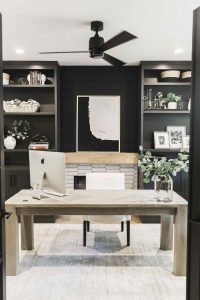
Increasing your home’s value isn’t just for future sellers — it’s about making your daily life better and more financially secure.
Done smartly, upgrades can pay for themselves, reduce ongoing costs, and create an emotional experience that buyers (or you) love.
This longform guide digs into 21 improvements that really move the needle — with practical “how-to” steps, realistic cost expectations, and mistakes to avoid.
Curb & First Impressions (Why the outside matters most)
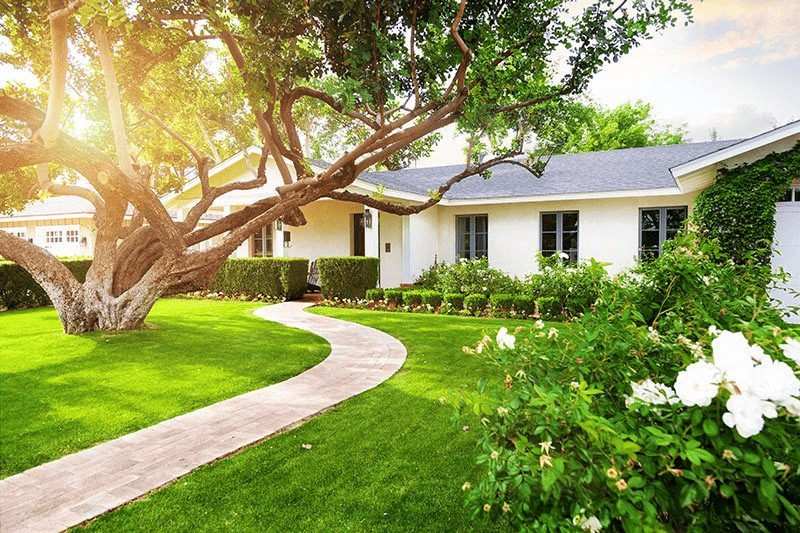
1. Boost Curb Appeal: design the first 7 seconds
What: Curb appeal includes landscaping, the front door, exterior paint, walkway, and porch staging.
Why it matters: Research and real-estate pros agree: buyers form a critical impression in seconds. Curb appeal can increase interest, foot traffic at open houses, and final offers. Emotion drives price.
How to implement (step-by-step):
- Walk your curb from a buyer’s POV — note dead plants, cracked paths, and clutter.
- Power-wash siding, driveway, and walkways.
- Repaint or refresh the front door with a rich, contrasting color (deep blue, black, or cider red).
- Trim hedges, add mulch, and plant 2–3 low-maintenance shrubs for structure.
- Add simple lighting (solar or wired) along the path and a clean welcome mat.
Budget & ROI: $200–$5,000 depending on scope. High ROI: small spends (paint + plants) often yield strong perceived value.
Pitfalls: Over-decorating or highly personal displays can turn off buyers. Keep it neat and neutral.
2. Replace or Refinish the Front Door
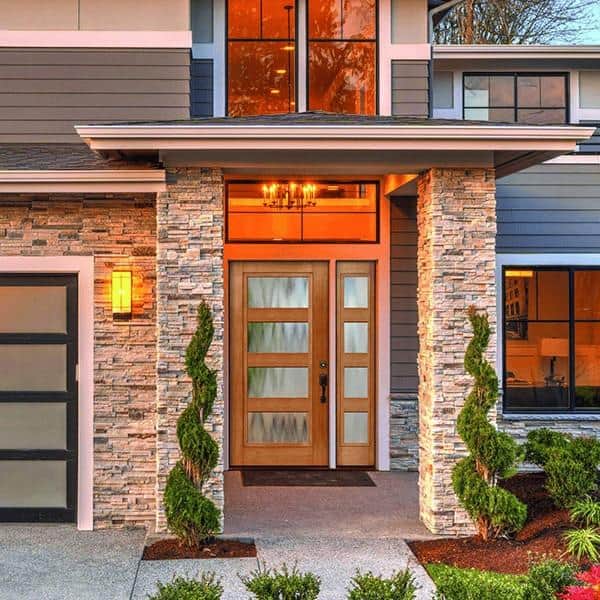
What: Swap old doors for a modern, insulated door or refinish existing one.
Why it matters: The front door is the home’s “face.” A solid, stylish door signals maintenance and security — huge intangible value. Some agents report a new door recoups a significant portion of the cost via improved offers.
How to implement:
- Refinish: sand, prime, and repaint; replace hardware with modern metal (matte black or brass).
- Replace: choose an insulated steel or fiberglass door with a tasteful glass insert.
Budget & ROI: $200–$2,500. A mid-range door looks high-end and improves energy efficiency.
Pitfalls: Choose a style consistent with neighborhood—ultra-modern in a classic suburb can misfire.
Interior Basics That Buyers Notice Immediately
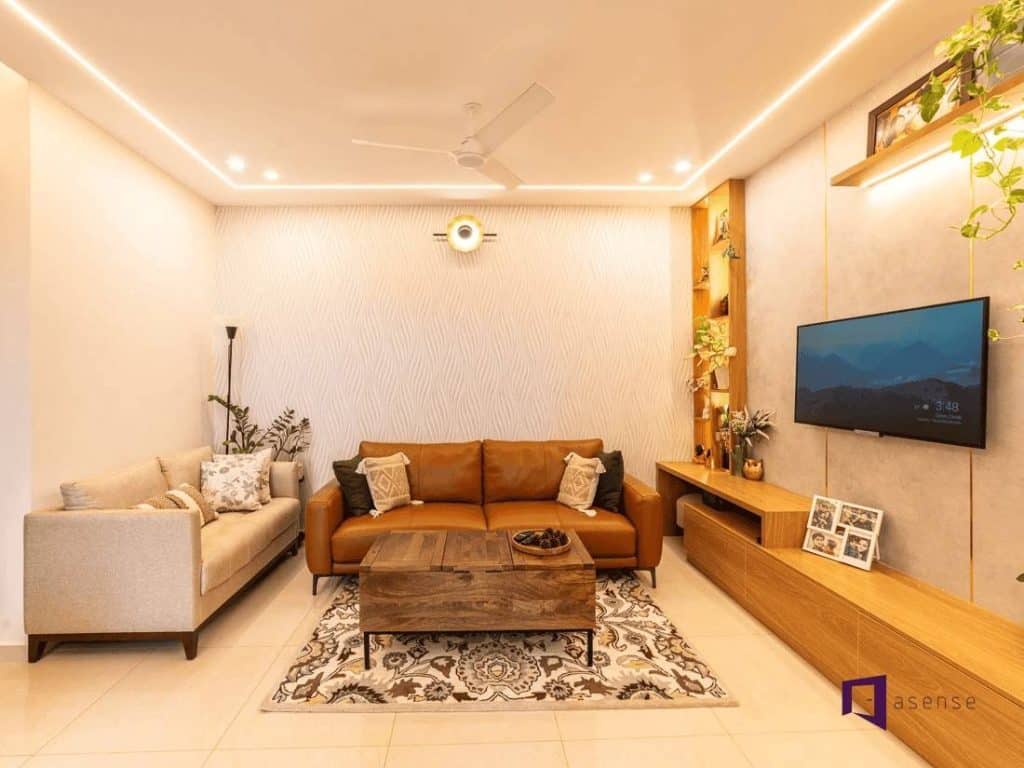
3. Paint Strategically — rooms, trim, and accent choices
What: Fresh paint inside and outside in buyer-safe colors.
Why it matters: Paint transforms perception — clean walls signal care, neutrality helps buyers visualize. Study after study shows painting has one of the best ROIs for modest budgets.
How to implement:
- Use warm neutrals: soft white, greige, muted blue-gray.
- Paint trim slightly brighter than walls for crisp lines.
- Accent walls: use sparingly (one wall in living room or bedroom).
Budget & ROI: $200–$3,000 (DIY vs pros). ROI is typically high, especially when prepping to sell.
Pitfalls: Bold colors for personal taste; flaky finishes from low-quality paint.
4. Light Fixtures: change perception with light
What: Replace dated fixtures and layer light.
Why it matters: Lighting affects mood, perceived square footage, and luxury. A poorly lit room reads small and dated.
How to implement:
- Replace overheads with modern pendants or flush mount LEDs.
- Add dimmers for ambiance.
- Use layered lighting—table lamps, sconces, and under-cabinet lights in kitchens.
Budget & ROI: $50–$1,500 per room. Even simple fixture swaps materially alter photos and tours.
Pitfalls: Overly bright, cold (5000K) lights — stick to warm whites (2700–3000K).
5. Kitchen Value: targeted upgrades over gut rehabs
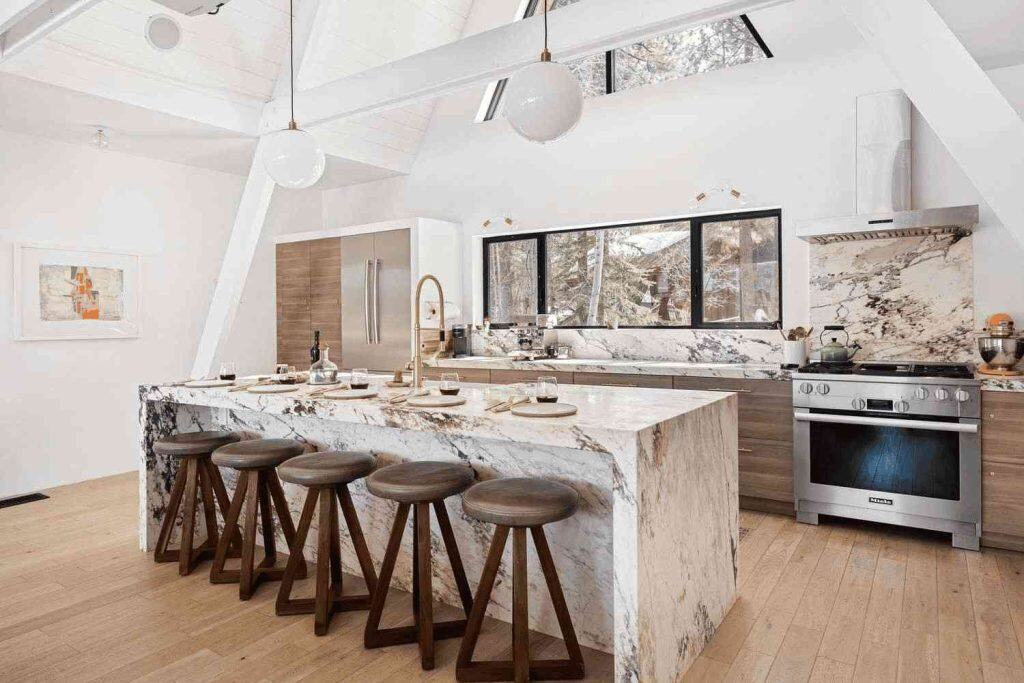
What: Strategic kitchen updates that look luxurious without full renovation.
Why it matters: Kitchens influence offers more than many other rooms. Even cosmetic improvements can create the vibe of an expensive kitchen.
How to implement (high impact, lower cost):
- Reface or paint cabinets and replace hardware.
- Add under-cabinet lighting and change faucets to brushed nickel.
- Replace countertops with quartz or butcher block on a budget (small sections or islands).
- Update backsplash with subway tile or stick-on tile for a weekend refresh.
Budget & ROI: $500–$30,000. Small cosmetic spends ($1k–$5k) often generate large perceived ROI.
Pitfalls: Mismatched finishes (mixing warm and cool metals carelessly) and cheap appliance looks. Keep finishes consistent.
6. Bathroom Upgrades That Pay Back
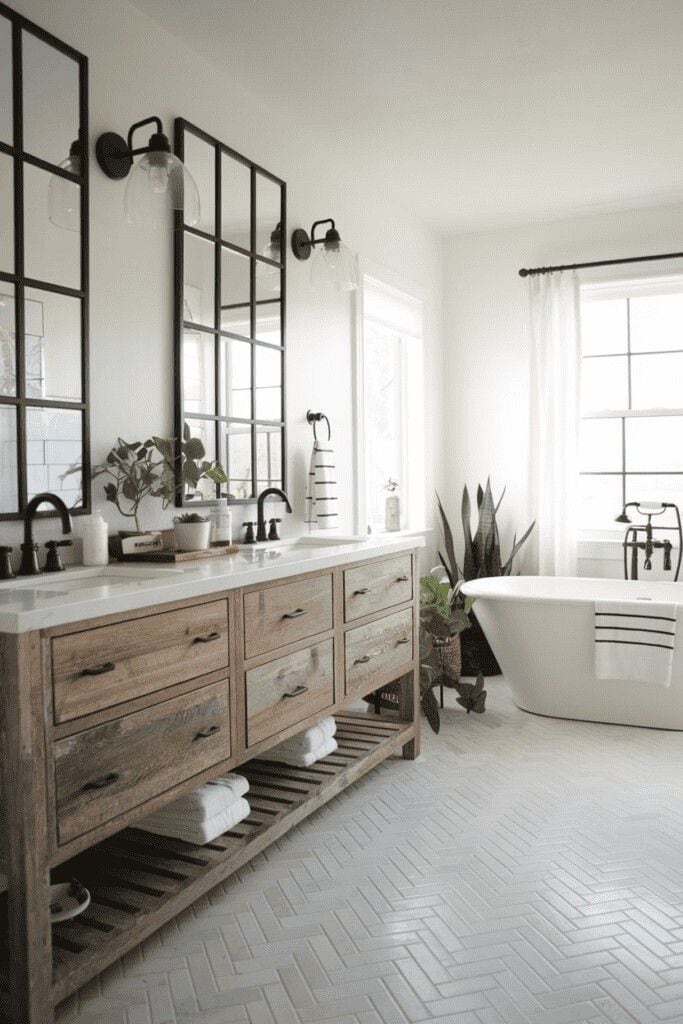
What: Make bathrooms feel clean, newer, and spa-like.
Why it matters: Buyers focus on bathrooms for comfort and utility. Even minor refreshes can alter perceived maintenance levels.
How to implement:
- Regrout, recaulk, replace showerheads and faucets.
- Swap vanity hardware, mirror, and add layered lighting.
- Upgrade to frameless glass shower doors if budget allows.
Budget & ROI: $200–$10,000. Small cosmetic updates (new vanity top, fixtures) have high ROI.
Pitfalls: Ignoring ventilation (mold risk). Fix mechanical issues before aesthetic fixes.
Structure, Systems & Energy (Investments that reduce friction)

7. HVAC, Insulation & Energy Efficiency
What: Tune HVAC, add insulation, seal drafts, install a smart thermostat.
Why it matters: Energy efficiency reduces utility costs — buyers value predictable operating costs and comfort. Also qualifies some for rebates.
How to implement:
- Service HVAC, clean ducts, replace filters.
- Add attic insulation and weatherstrip doors/windows.
- Install a programmable or smart thermostat.
Budget & ROI: $200–$5,000 (depending on insulation and HVAC work). Long-term savings and improved listing appeal.
Pitfalls: Over-promising energy savings; get professional quotes.
8. Roof, Gutters & Structural Repairs
What: Fix or replace roofing elements that leak or look worn; clear gutters.
Why it matters: Major red flags in inspections revolve around roofs, water, and structure. Fixing them prevents price-negotiation headaches.
How to implement:
- Get a roof inspection. Replace or repair flashing, shingles, and gutters as needed.
- Ensure grading around the house directs water away.
Budget & ROI: $500–$15,000. Often necessary to prevent value loss.
Pitfalls: Delaying repairs — buyers discount for unknown risks.
9. Windows & Doors: comfort, curb, and efficiency
What: Repair or upgrade windows; add thermal seals and update doors.
Why it matters: Windows affect energy bills and ambience. New windows dramatically improve perceived quality.
How to implement:
- Repair sash cords, seals; add weatherstripping.
- Replace with energy-efficient double-pane windows in problem areas.
Budget & ROI: $300–$12,000. High cost but major selling point in cold/hot climates.
Pitfalls: Replacing all windows blindly — prioritize high-impact areas (front rooms, kitchen).
Finishing Touches & Layout (designer detail that buyers notice)
10. Flooring: continuity and durability
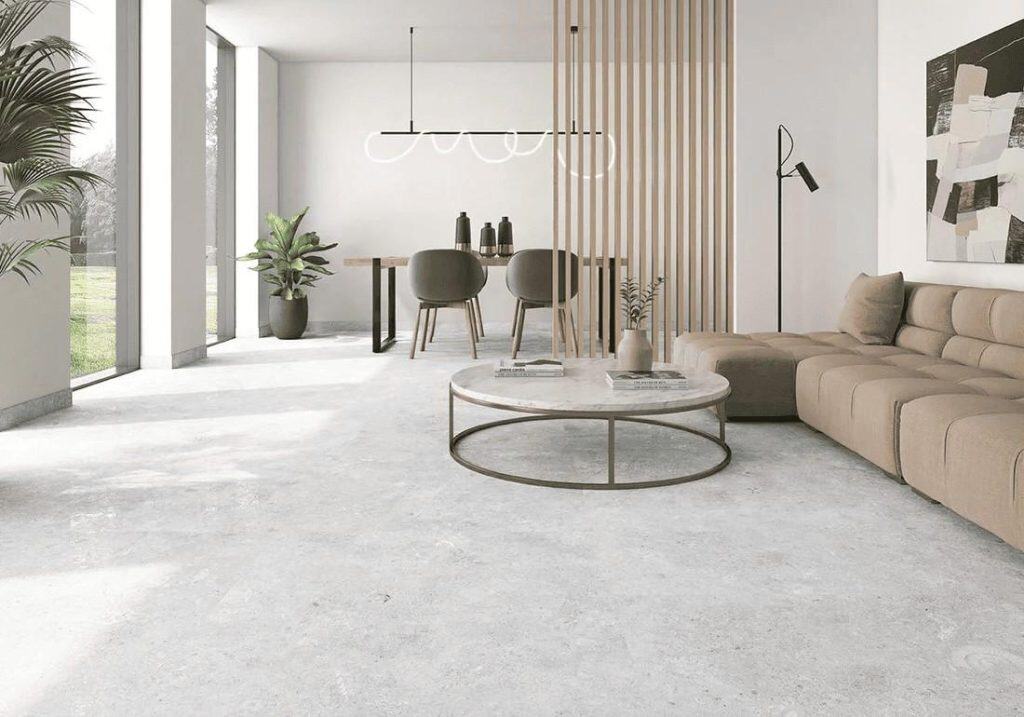
What: Update floors to modern, durable surfaces—LVP, engineered hardwood, tile.
Why it matters: Flooring sets the tone; damaged or dated flooring drags down perceived value. A continuous floor throughout the main living area makes spaces feel larger.
How to implement:
- Replace high-traffic areas first (entry, kitchen, living).
- Consider LVP for budget-friendly moisture resistance.
Budget & ROI: $500–$20,000. Mid-range flooring upgrades often have strong ROI.
Pitfalls: Inconsistent flooring transitions; use thresholds and rugs to manage.
11. Storage & Organization: form + function
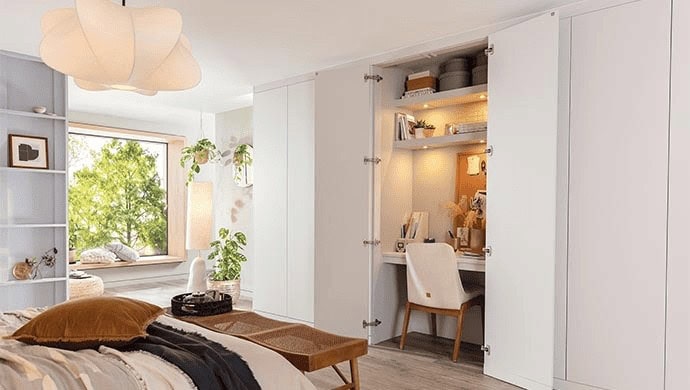
What: Built-in closets, pantry systems, garage shelving, under-stair storage.
Why it matters: Buyers and families prioritize storage — it makes homes feel more functional and less cluttered.
How to implement:
- Install closet organizers; add shelves in pantry and garage.
- Convert awkward nooks into cubbies or built-in benches with storage.
Budget & ROI: $50–$5,000. Low-cost organizers often deliver outsized returns by improving perceived utility.
Pitfalls: Creating storage that reduces flexible living space—balance is key.
12. Small Architectural Upgrades: millwork & molding
What: Add crown molding, baseboard upgrades, wainscoting, or simple built-in shelving.
Why it matters: Architectural details communicate custom work and quality — they elevate plain rooms into curated spaces.
How to implement:
- Start with trim upgrades in living room and Master bedroom.
- Use board-and-batten in a hallway or powder room for big impact at modest cost.
Budget & ROI: $200–$5,000 depending on scope. Small architectural work reads as high-end.
Pitfalls: Overdoing ornate trim in modern homes—match style to house.
13. Create Defined Living Zones (open-plan optimization)
What: Stage and arrange furniture so each space has a clear function (reading nook, conversation area, dining).
Why it matters: Buyers need to visualize living functions. Defined zones make the home feel larger and more practical.
How to implement:
- Use rugs, lighting, and furniture placement to create boundaries.
- Remove oversized furniture that blocks flow.
Budget & ROI: Mostly free; staging costs vary. Visual clarity increases desirability and perceived square footage.
Pitfalls: Overly staged, fake furniture that feels impersonal—keep it realistic.
Smart Additions & Outdoor Living (modern buyer priorities)
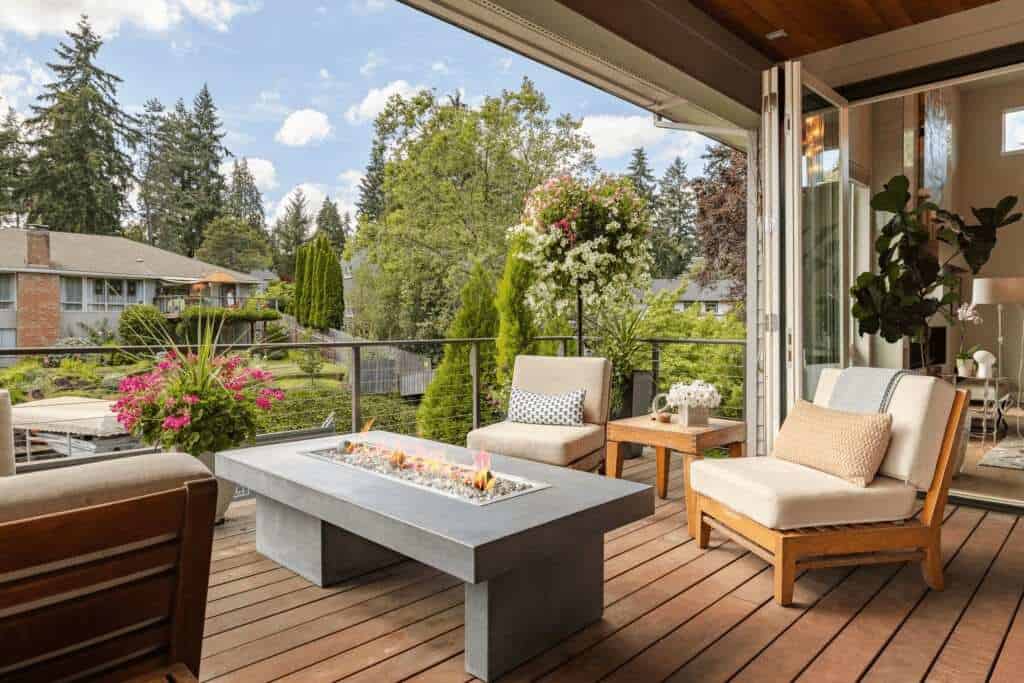
14. Outdoor Living Areas & Landscaping Upgrades
What: Create an outdoor “room”: deck or patio seating, lighting, and simple landscaping.
Why it matters: Outdoor space became a premium after 2020 — it’s often marketed as extra living space and drives buyer excitement.
How to implement:
- Add a small deck or level the patio, place comfortable seating, and string lights.
- Add potted plants and create an outdoor focal point (fire pit or grill station).
Budget & ROI: $300–$20,000 (low-end staging to full deck builds). Even small invested staging increases appeal.
Pitfalls: High-maintenance landscaping that new owners may dislike.
15. Smart Home & Security Upgrades
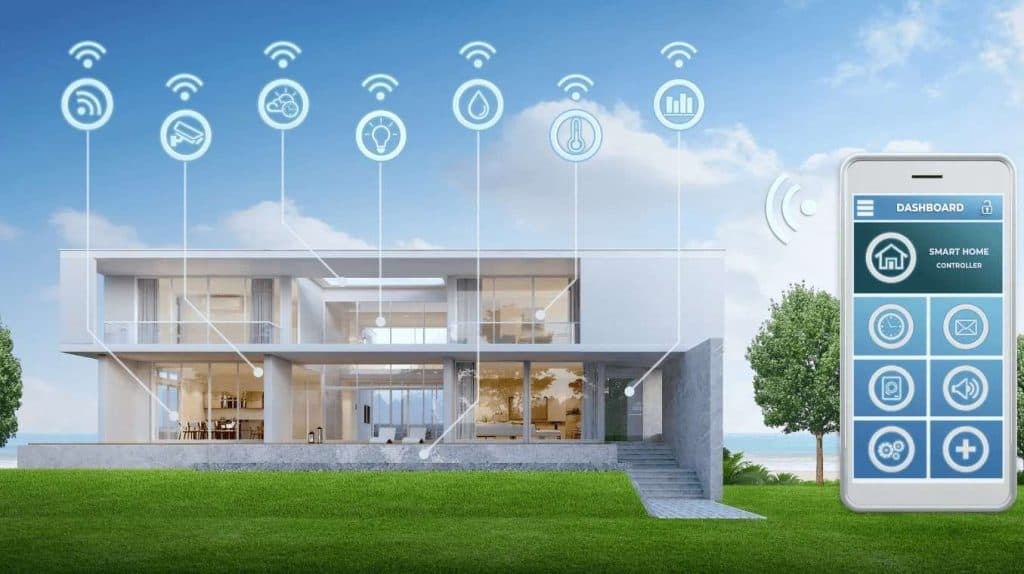
What: Thermostats, video doorbells, smart locks, and efficient lighting.
Why it matters: These features signal a modern, maintained home and offer convenience — smart appliances can be a deciding factor for tech-savvy buyers.
How to implement:
- Install a smart thermostat, a video doorbell, and smart lighting in key areas.
- Document warranties and setup instructions for buyers.
Budget & ROI: $100–$2,000. Small investment adds perceived value and reduces buyer friction.
Pitfalls: Overcomplicating setups—use systems that are easy to manage.
16. Add or Improve a Home Office or Flex Space
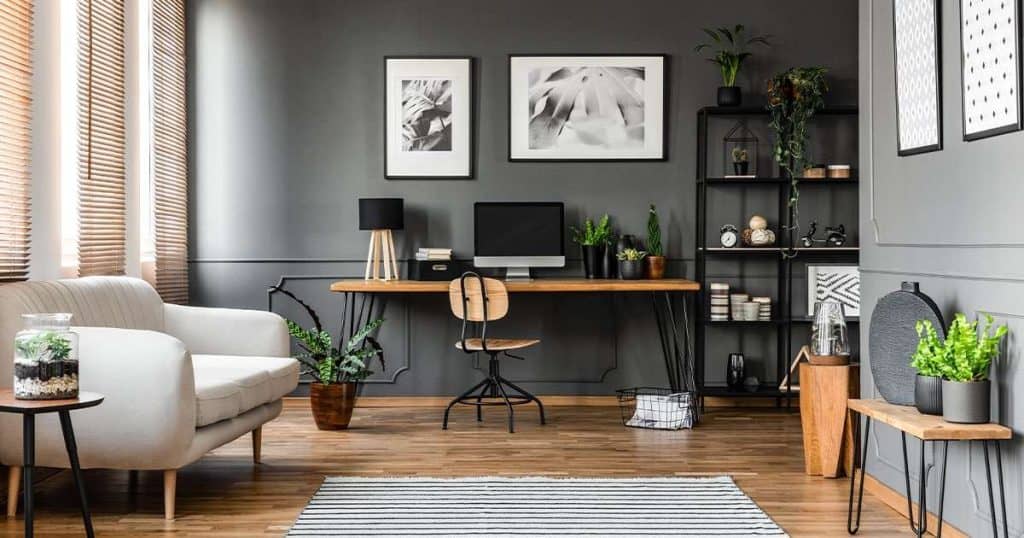
What: Convert a spare bedroom or nook into a functional office or learning area.
Why it matters: Remote work is a lasting trend; a dedicated office increases marketability.
How to implement:
- Ensure good lighting, adequate outlets, and a clear desk area.
- Add built-in shelves or a compact desk that fits the space.
Budget & ROI: $100–$5,000. High desirability with modest investment.
Pitfalls: Make sure it’s clearly an office—not cluttered storage—so buyers see the lifestyle benefit.
Emotional Value, Presentation & Final Polish
17. Deep Clean & Deodorize: the invisible investment
What: Professional deep clean: carpets, grout, vents, windows, and appliances. Eliminate odors from pets, smoke, and cooking.
Why it matters: Cleanliness equals care. A spotless house signals maintenance — buyers may pay more for a home that “feels right.”
How to implement:
- Hire professional carpet and upholstery cleaners.
- Clean vents, dryer, and oven. Replace filters.
- Use simmer pots or light, natural scents for showings (avoid heavy fragrances).
Budget & ROI: $100–$600. This low-cost step is consistently recommended by agents.
Pitfalls: Over-scenting—stick to neutral, subtle scents.
18. Staging & Photography: sell the lifestyle
What: Professional staging and high-quality photos for listings.
Why it matters: Most buyers first see a home online. Great photos and minimal, stylish staging increase inquiries and showings. Staged homes often sell faster and for more.
How to implement:
- Declutter and depersonalize before photos.
- Use natural light, minimal decor, and a clear focal point in each shot.
- Consider professional stagers for vacant homes.
Budget & ROI: $0–$5,000 (DIY to pro staging). Strong photos are critical — they create the emotional pull.
Pitfalls: Over-staging that hides usable space or appears fake.
19. Neutral, High-Quality Fixtures & Hardware
What: Replace dated faucets, cabinet handles, and light switch plates with consistent, modern finishes.
Why it matters: Small details communicate care. Consistent hardware across the house reads as intentional design.
How to implement:
- Choose one finish (brushed nickel, matte black, or brass) and apply widely.
- Replace cracked plates and mismatched handles.
Budget & ROI: $50–$1,000. Small spends, big perceived improvements.
Pitfalls: Mixing too many metal finishes without intent.
20. Seasonal & Sensory Cues: make buyers feel at home
What: Use temperature, scent, lighting, and subtle decor to create comfort during showings.
Why it matters: Decisions are emotional. A comfortable temperature, soft lighting, and a subtle, seasonal scent (baked apple or citrus) boost connection.
How to implement:
- Set thermostat to a comfortable level.
- Use warm bulbs and soft music at low volume.
- Add soft throws and a vase of fresh flowers.
Budget & ROI: Minimal; psychological payoff is high.
Pitfalls: Heavy music, strong perfume, or extreme temperatures.
21. Document Improvements & Create a Maintenance Book
What: Assemble receipts, warranties, manuals, and contractor contacts in a binder (or digital folder).
Why it matters: Transparency builds buyer trust and reduces negotiation friction. A maintenance history shows the home is cared for and reduces perceived risk.
How to implement:
- Scan or photograph documents.
- Organize by room/system and include dates and contractor notes.
Budget & ROI: Free to inexpensive. This simple effort improves buyer confidence and can prevent price reductions during due diligence.
Pitfalls: Missing key documents—start early and gather everything.
Final Checklist — 30/60/90 Day Plan to Grow Home Value
Next 30 days
- Deep clean & declutter.
- Paint high-impact rooms (entry, living room).
- Replace a dated light fixture and front door hardware.
Next 60 days
- Stage living room and kitchen for photos.
- Service HVAC and clean windows.
- Add closet organizers to primary closets.
Next 90 days
- Tackle roof/gutter fixes and insulation gaps.
- Plan a kitchen refresh (hardware, lighting, countertop area) if selling.
- Landscape for low maintenance curb appeal.
Closing — Value Is Practical + Emotional
Increasing your home’s worth is a clever mix of mechanical fixes, aesthetic upgrades, and emotional storytelling.
The technical work (roof, windows, HVAC) reduces buyer risk.
The aesthetic work (paint, lighting, staging) increases perceived value and emotional pull. Combine both: fix the problems, then make the home feel like a life someone wants to buy.
Until next time,
Stay safe,
Tasos

I’m Anastasios Moulios, co-founder of DIY Cozy Living. I enjoy finding creative, practical ways to make small spaces feel warm, stylish, and lived-in. I started this blog with Katerina to share real ideas that make a home feel a little more personal and a lot more comfortable.
