
How We Made Our Home Feel New Without Breaking the Bank (Home Improvements DIY)

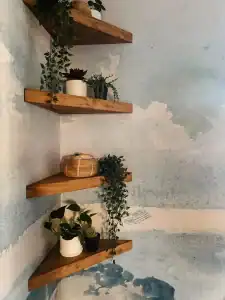
I wanted to put together a big, practical collection of DIY home projects you can do for under $100—the kind that actually improve how your home feels, not just how it looks.
When my husband and I bought our first home, we were excited… and completely unsure of what to tackle first. We knew we wanted to add comfort and make the space our own, but with limited experience (and now, two kids), jumping into major renovations was never realistic. Everything felt like it required more time, money, or confidence than we had.
Over the past eight years, and after living in two different homes, we’ve learned a lot through small projects, mistakes, and gradual changes. Those experiences taught us where effort really pays off—and where it doesn’t.
So instead of sharing everything you could possibly do on a budget, I focused on the projects that genuinely made a difference for our family. These are simple, affordable updates that brought more warmth, function, and value into our home—without stretching our budget or our sanity.
Why DIY Still Appeals to People Who Aren’t “DIY People”
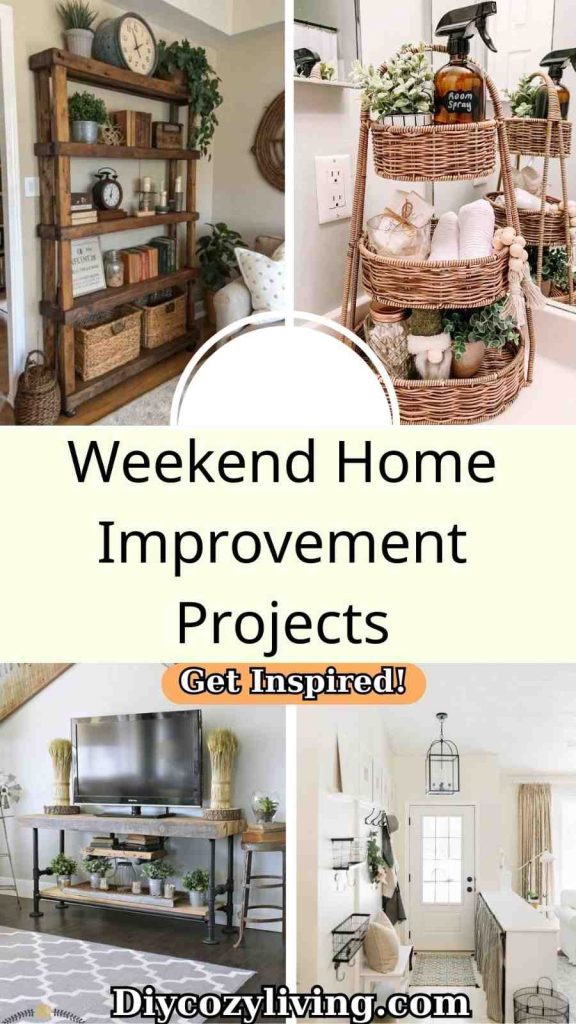
Most people who start DIY projects don’t see themselves as creative or skilled. They’re just people who want their homes to feel better.
Better to live in.
Better to move through.
Better to come home to.
DIY, at its best, is not about proving anything. It’s about taking ownership in small ways. About saying, “This space matters enough to improve.”
And that’s why small, achievable projects tend to have the biggest emotional payoff. They give you momentum. Confidence. A sense that your home is responsive to you, not frozen in some ideal version you’re always chasing.
What Makes a DIY Home Project Truly Worth It
Not every DIY project deserves your energy. Some look good online but don’t translate well into real life.
The projects that actually feel worth doing usually share a few traits:
They Solve a Real Problem
If a project fixes something that annoys you regularly, it will always feel worthwhile—even if it’s not flashy.
They Improve Daily Use
Projects that make everyday tasks smoother (lighting, storage, layout) deliver returns long after the paint dries.
They Match Your Lifestyle
A project should fit how you live now, not how you imagine living someday.
They Don’t Require Perfection
If a project only looks good when executed flawlessly, it’s probably not a great DIY choice.
Worthwhile DIY projects respect reality.
Starting Where You Are (Not Where Pinterest Is)
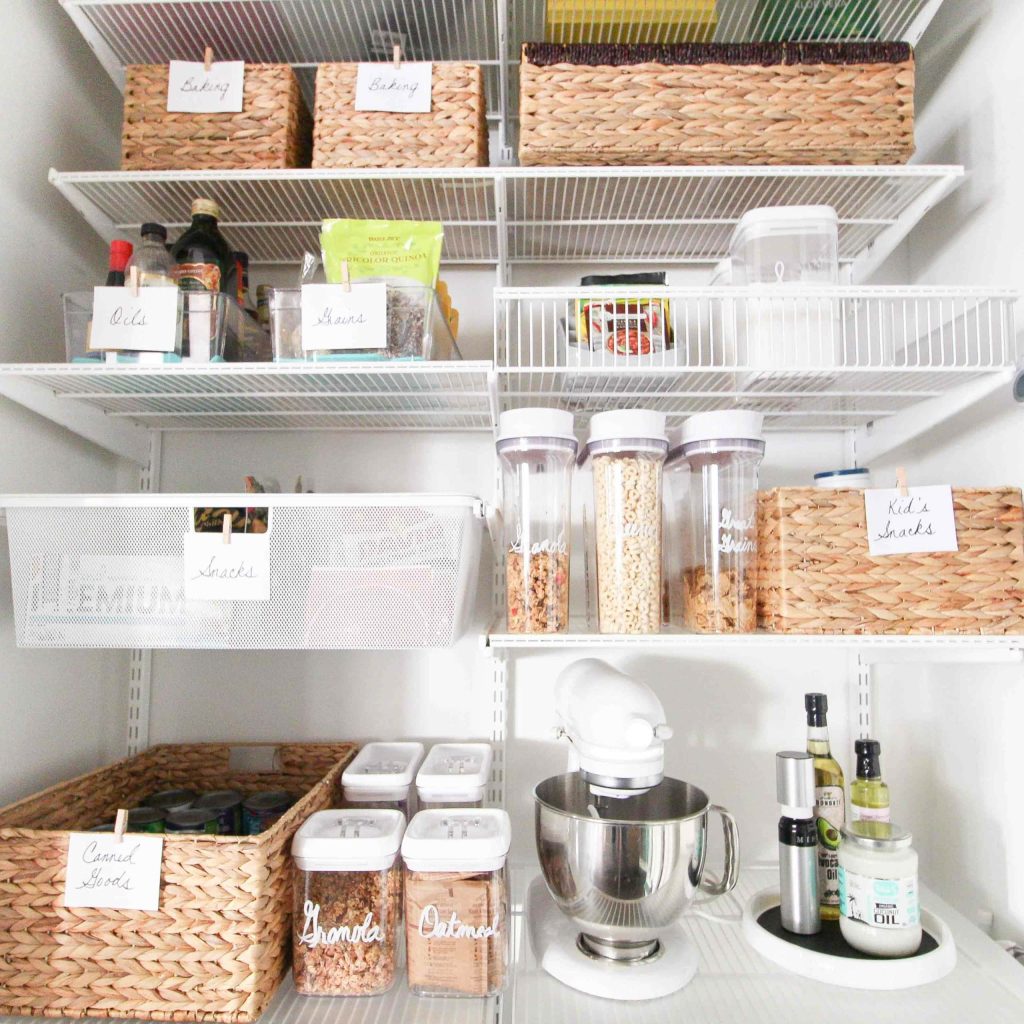
One of the biggest reasons people stall on DIY projects is comparison. They see elaborate transformations and assume that’s the baseline.
It’s not.
Your starting point matters:
- Your time
- Your budget
- Your energy
- Your skill level
There is no prize for doing the biggest project first. In fact, starting small is often what makes people stick with DIY at all.
Small projects build trust—with yourself.
Makeover Old Bar Stools for Your Kitchen
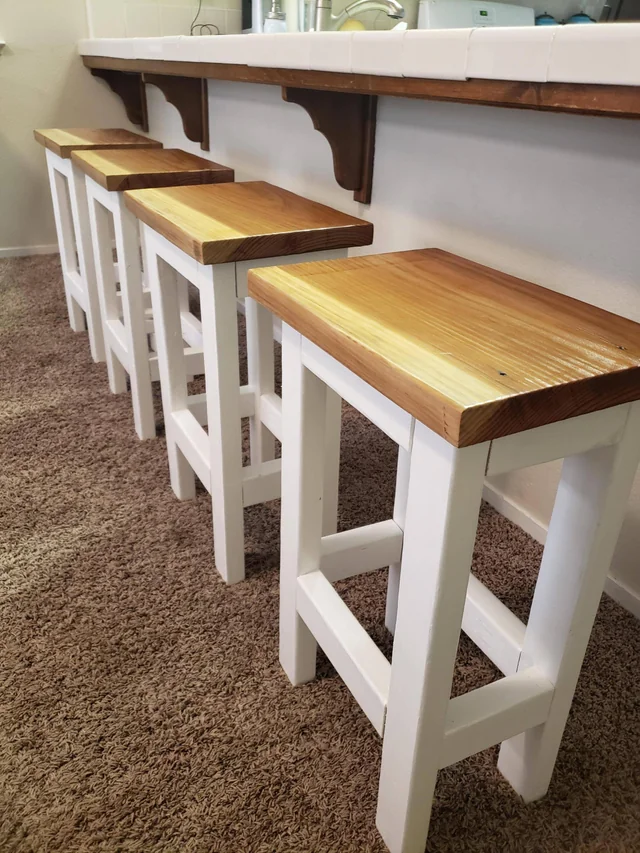
We had some tired old bar stools that were scratched and mismatched, and we knew a small update could make a big difference. Here’s how we refreshed them without spending a fortune:
Quick Fixes We Did:
- Clean & Prep: Wiped down frames, lightly sanded scratches
- Paint or Stain: Added a fresh coat to frames and seats
- Upholstery: Recovered cushions with durable, wipeable fabric
- Final Touches: Tightened screws, added felt pads to protect the floor
| Step | What We Did | Budget |
|---|---|---|
| Prep | Sand & clean stools | $0–$5 |
| Frame | Spray paint / stain | $15–$25 |
| Seat | New fabric / foam | $10–$20 |
| Finish | Screws & pads | $5 |
Result: Our kitchen instantly felt brighter and more cohesive. Even small updates like these make a space feel cared-for and inviting—without replacing anything.
Use Paint Strategically (Not Everywhere)
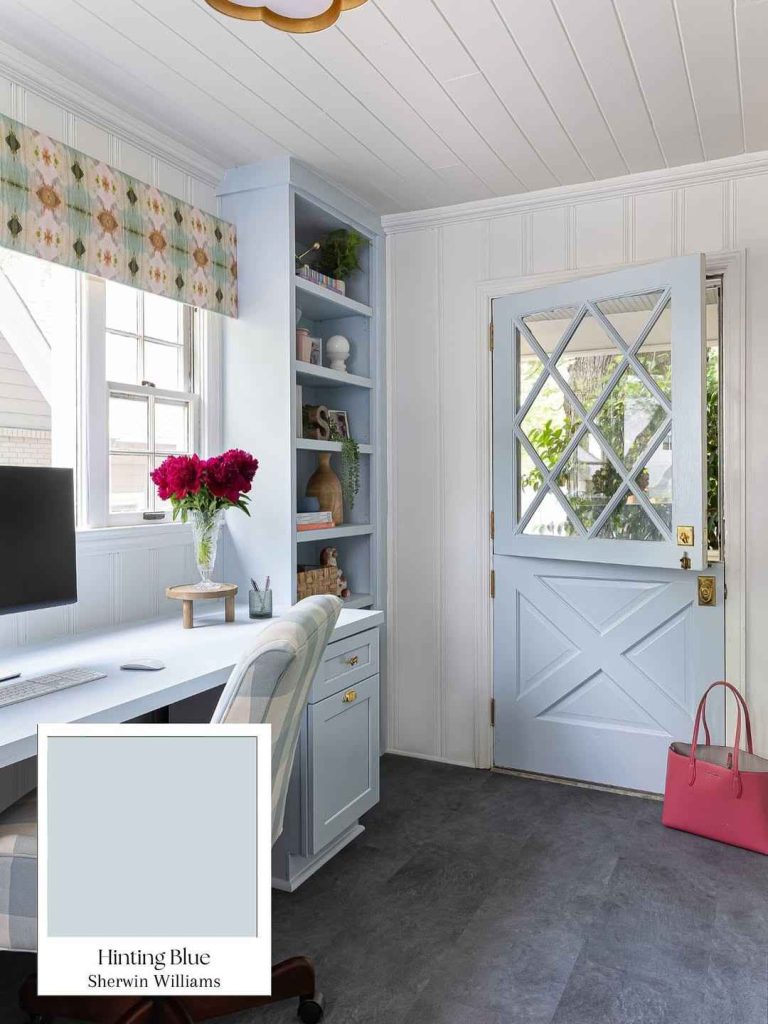
Paint is one of the most affordable tools in DIY—but only when used intentionally.
You don’t need to repaint entire rooms to see results.
Smart Places to Use Paint
- Interior doors
- Trim or baseboards
- Cabinets or vanities
- A single wall or nook
- Furniture you already own
Action Steps
- Choose one surface, not the whole room
- Use paint samples first
- Prep properly: clean, lightly sand, wipe down
- Use a foam roller for smoother finishes
Budget Breakdown
- Sample pots or small cans: under $10
- Basic rollers and brushes: $15–$25
- Total project often stays under $50
Why It Works
Paint changes mood instantly. A refreshed door or cabinet makes a space feel intentional instead of tired.
Create Storage Where Life Actually Happens
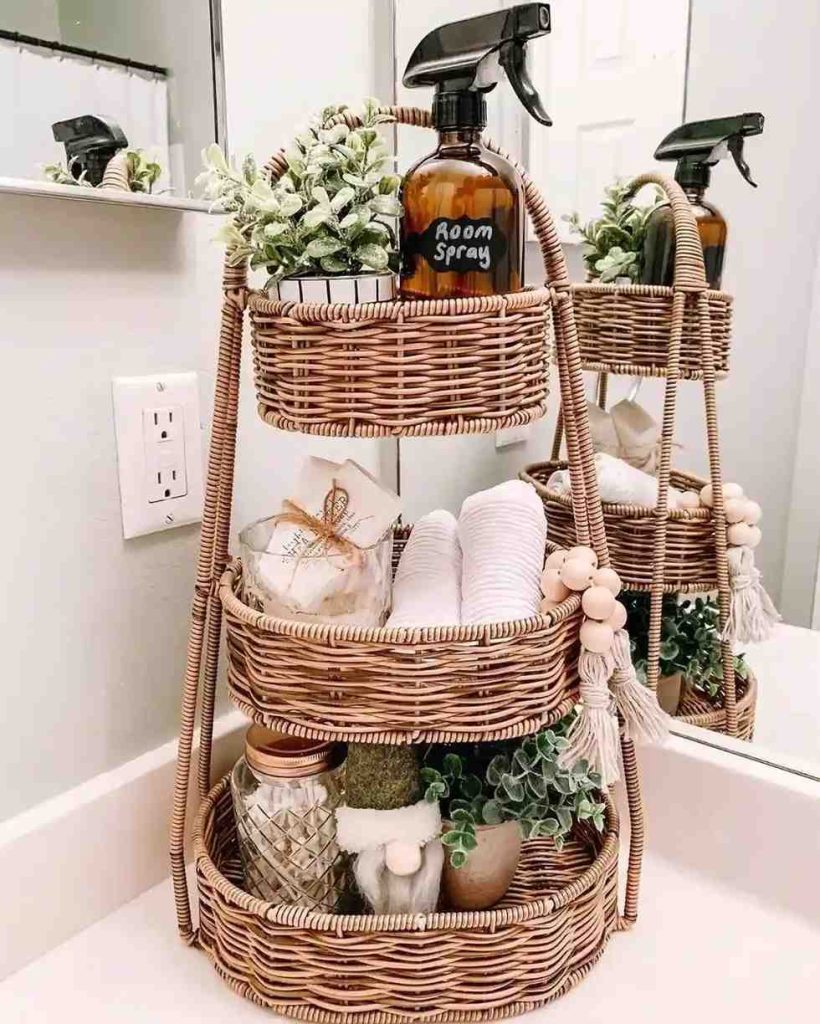
Storage should support your habits, not fight them.
If clutter keeps appearing in the same places, that’s information—not failure.
Practical Storage Upgrades
- Hooks near entrances
- Baskets in high-traffic rooms
- Drawer dividers
- Under-bed bins
Action Steps
- Identify clutter “drop zones”
- Add storage there, not somewhere else
- Use open storage for daily items
- Use closed storage for visual calm
Kid-Friendly Tip
Low baskets make cleanup easier and encourage independence.
I wrote a very detailed blog post on exactly some of my favourite hidden storage ideas you can read here.
Comfort-Focused DIY Projects: The Ones You Feel More Than You See
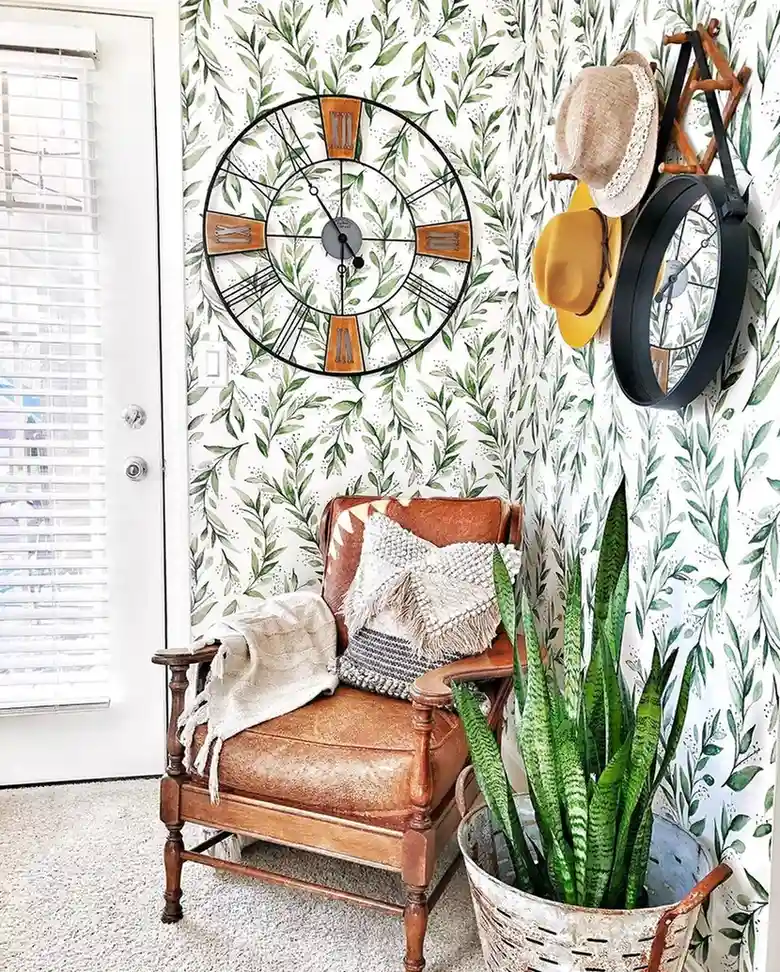
Comfort is underrated in DIY culture. We focus so much on visuals that we forget how much a home is experienced through the body.
Comfort-focused projects might include:
- Softening lighting
- Adding textiles
- Improving airflow
- Creating quiet corners
These projects don’t scream “update,” but they change how your home supports you.
And that matters.
Add Simple Shelving for Function and Balance
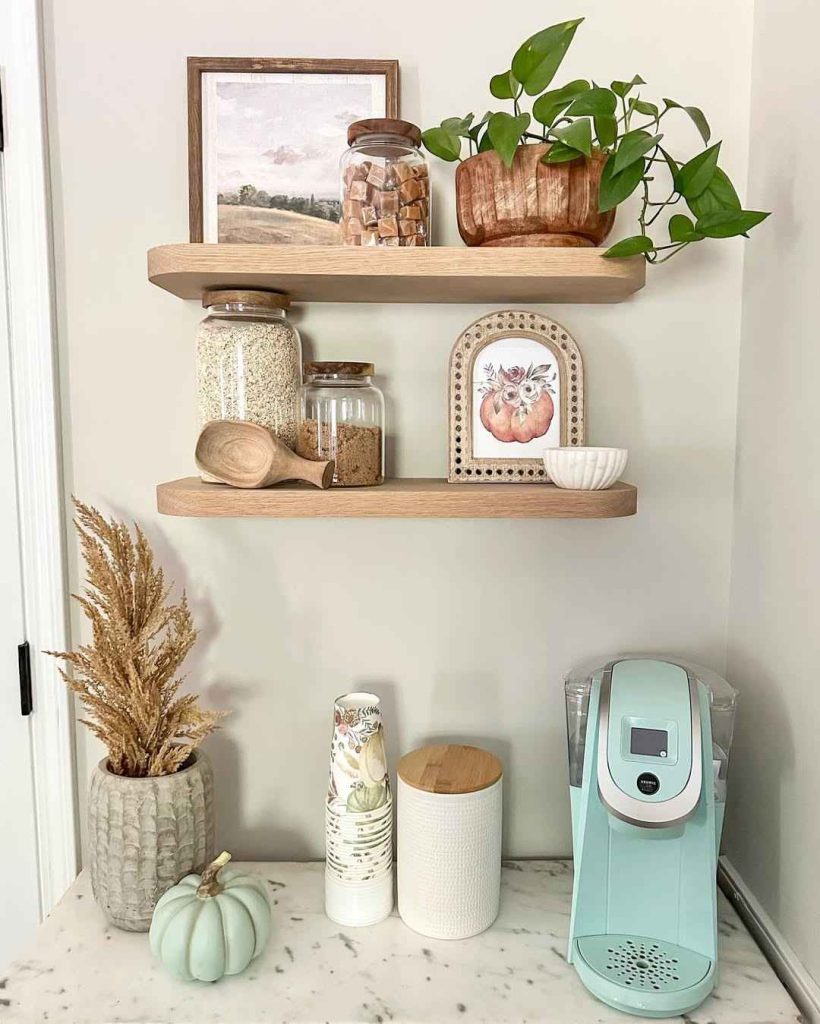
Shelves aren’t just decorative—they solve problems.
Best Places for Shelves
- Bathrooms
- Kitchens
- Entryways
- Bedrooms
- Laundry areas
Action Steps
- Choose shelf depth based on use
- Anchor into studs or use wall anchors
- Leave breathing room between items
Budget Breakdown
- Brackets: $10–$25
- Boards: $15–$30
- Total under $60 in most cases
Why It Works
Shelves add storage and visual interest without taking up floor space.
If you want some bathroom shelf inspiration, you can read my article here!
Use Textiles to Add Comfort and Warmth

Textiles soften a home in ways paint and furniture can’t.
High-Impact Textile Updates
- Curtains
- Rugs
- Throw blankets
- Pillow covers
Action Steps
- Focus on one room at a time
- Choose washable fabrics (especially with kids)
- Size rugs generously—too small is a common mistake
Why It Works
Textiles absorb sound, add warmth, and make spaces feel lived-in instead of staged.
Refresh Closets Without a Full Remodel
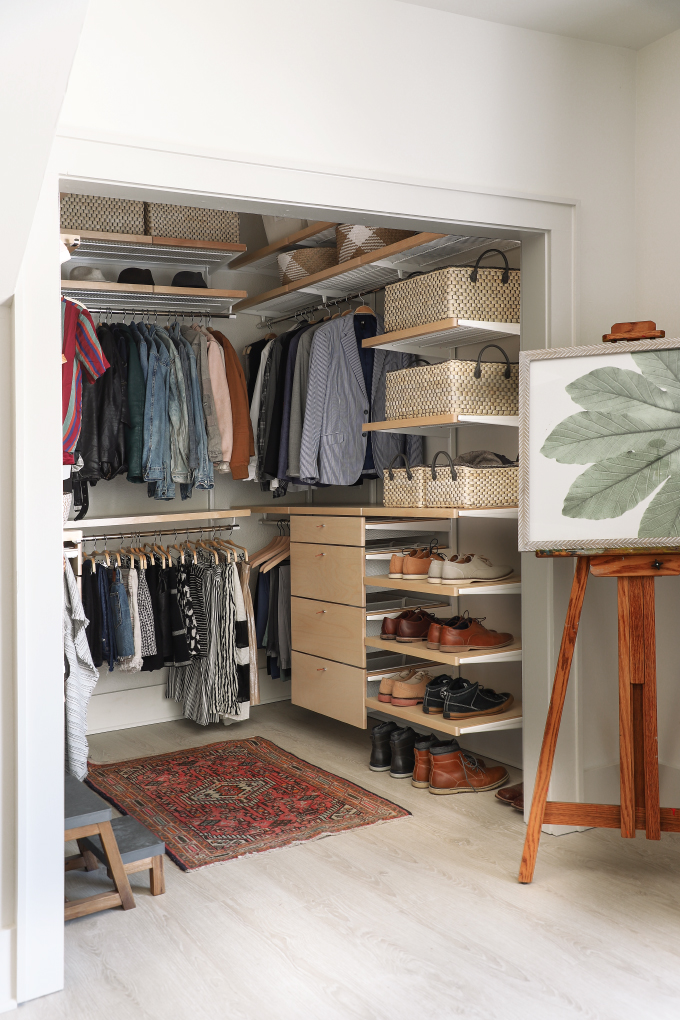
Closets are often overlooked, but small changes make a huge difference in everyday life.
Quick Upgrades That Work
- Install hooks or small racks inside doors
- Add shelf dividers or clear bins
- Use uniform hangers for a cleaner look
- Label baskets or bins for easy access
Action Steps
- Pull everything out and sort into keep, donate, toss
- Measure shelves and doors to maximize space
- Install storage accessories starting with high-use items
- Maintain by doing a quick sort every few months
Why It Works
A functional closet reduces stress. You find what you need quickly, and everything feels intentional—even in a small space.sustainable instead of draining.
Functional Entryway Improvements

Entryways set the tone for your home and can make mornings smoother.
Easy Updates
- Shoe racks or baskets
- Wall hooks for bags and coats
- Small bench or folding stool
- Catch-all tray for keys and mail
Action Steps
- Observe your morning flow—where does clutter form?
- Place storage where it’s most convenient
- Add a small rug to define the space
Why It Works
Organized entryways reduce stress and make daily comings and goings more seamless—especially with kids.
DIY Window Coverings That Make a Difference
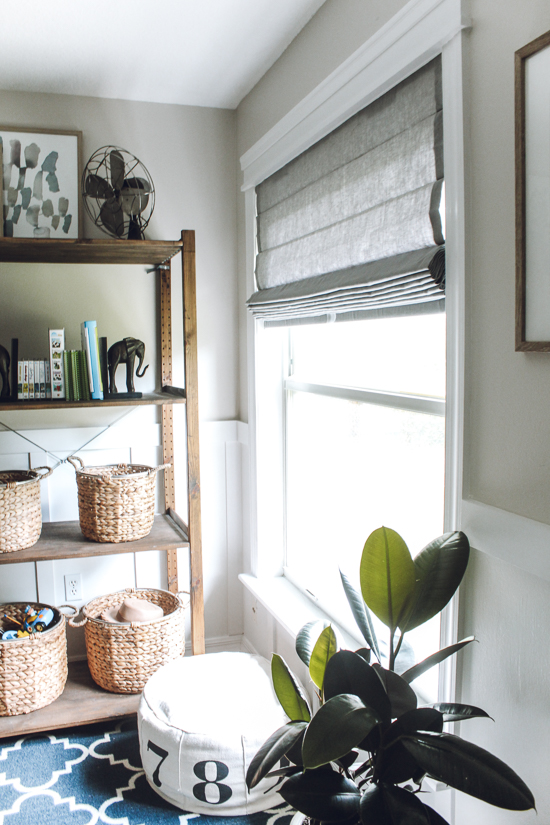
Windows can transform a room if you approach coverings thoughtfully.
Options Under $100
- Tension rods for lightweight curtains
- Simple roller shades
- DIY curtain panels from fabric remnants
- Wooden dowels or simple rods for custom lengths
Action Steps
- Measure window width and height precisely
- Choose light-filtering vs blackout depending on need
- Install brackets securely and level
- Adjust hem or length to avoid dragging
Why It Works
The right window treatment balances light, privacy, and style—often at a fraction of store-bought options.
Common DIY Mistakes (That Almost Everyone Makes Once)
Mistakes are part of DIY. They don’t mean you failed. They mean you tried.
That said, some mistakes are incredibly common—and avoidable.
Trying to Do Too Much at Once
Momentum feels good, but overcommitting is how projects stall. One finished project beats five half-started ones.
Chasing Trends Instead of Comfort
Trends move fast. Your home shouldn’t have to keep up.
If a trend doesn’t suit how you live, it will feel outdated quickly—even if it looks current online.
Ignoring the Way You Actually Use a Space
A space that looks beautiful but doesn’t function will always feel slightly off. DIY works best when it supports daily habits instead of fighting them.
Waiting for the “Perfect Time”
The perfect time rarely shows up. Start with what you have. Adjust as you go.
DIY thrives on iteration.
When DIY Isn’t the Answer—and That’s Okay
Not every problem needs a DIY solution. Sometimes hiring help, buying something ready-made, or leaving things as they are is the right choice.
DIY isn’t about doing everything yourself. It’s about choosing involvement where it makes sense.
Knowing when not to DIY is part of maturity—not failure.
The Emotional Side of DIY That No One Talks About
There’s something quietly powerful about shaping your own space.
DIY creates:
- Confidence
- Ownership
- Familiarity with your environment
It reminds you that your home isn’t static. It responds to you.
That relationship—between you and your space—is what makes DIY meaningful beyond aesthetics.
Conclusion: DIY as an Ongoing Conversation With Your Home
Your home doesn’t need to be finished to be loved.
DIY isn’t a checklist. It’s a conversation—one you have over time, in response to your needs, your comfort, and your life as it unfolds.
Some projects will work beautifully. Others won’t. Both teach you something.
The most worthwhile DIY projects aren’t the ones that impress others. They’re the ones that quietly improve how you live.
And those are always worth doing.
Until next time,


I’m Katerina Lithopoulou, co-creator of DIY Cozy Living. I’ve always loved the little things that make a space feel special. With a background in language and a passion for photography and cozy design, I enjoy turning everyday inspiration into simple ideas people can actually use.
My motto: “Cozy isn’t a trend — it’s a feeling.”
