
IKEA Kitchen Design Ideas That Don’t Look Like IKEA

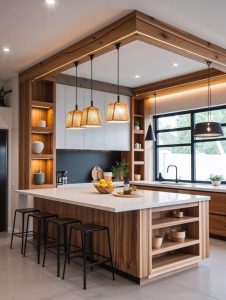
When I first started looking into IKEA kitchens, I’ll be honest — I was skeptical. I had that same mental image most people do: glossy white cabinets, ultra-minimal styling, and a kitchen that looks fine… but also looks like a showroom.
What changed my mind was realizing something important: IKEA doesn’t sell finished kitchens — it sells systems. And systems can be shaped, softened, elevated, or completely transformed depending on how you use them.
This article isn’t about copying an IKEA catalog. It’s about using IKEA as a foundation and designing a kitchen that feels personal, intentional, and lived-in.
I’ll share what I like, what I avoid, and which IKEA products actually help achieve specific styles — not just what looks good in theory.
How to Use IKEA Kitchens as a Design Canvas (Before We Dive In)
Before we get into specific styles, I want to say this clearly:
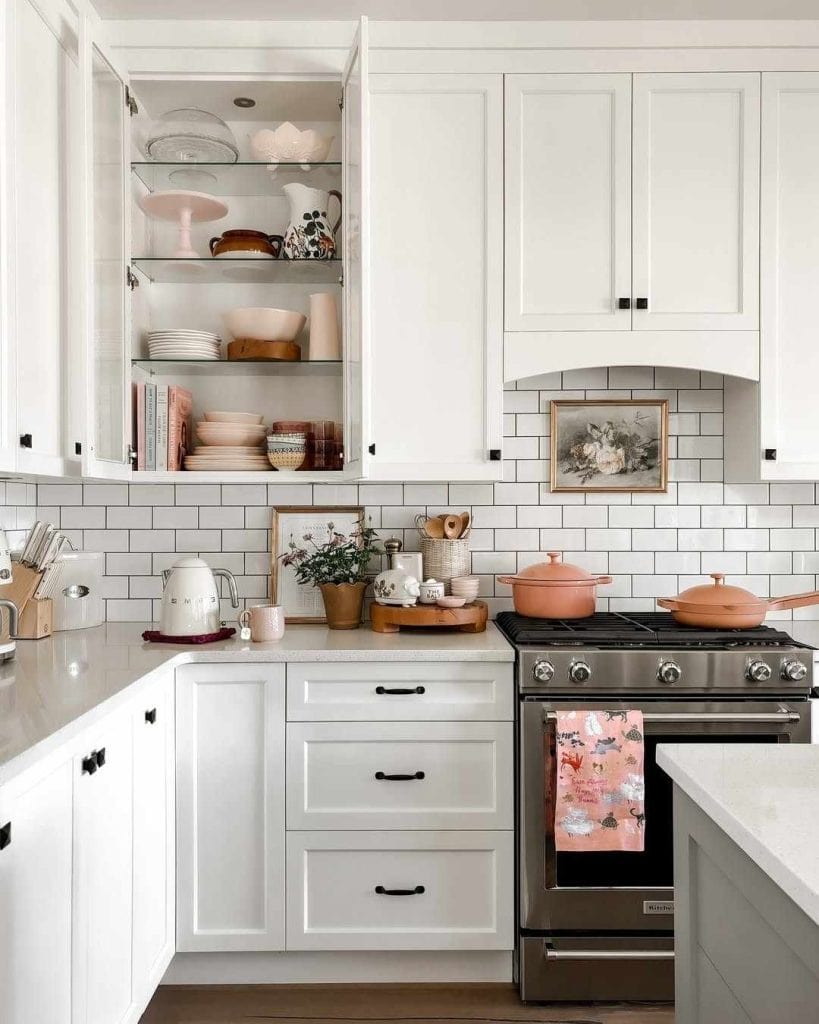
The biggest mistake people make with IKEA kitchens is treating IKEA as the design — instead of the base.
I prefer to think in layers:
- Structure (cabinets, layout)
- Surfaces (fronts, counters, backsplash)
- Details (handles, lighting, open shelving)
- Styling (what you see every day)
If you get the first two right, the rest becomes much easier.
What People Often Get Wrong About IKEA Kitchens
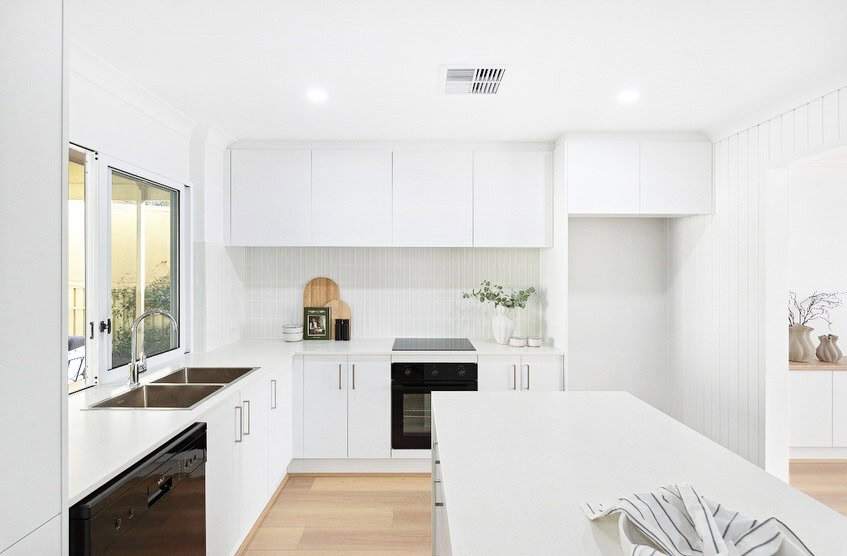
IKEA kitchens fail far more often because of planning mistakes than because of the products themselves. The showroom makes everything look effortless, but real homes are less forgiving.
The biggest issue I see is people choosing cabinet fronts and colors before thinking through storage and layout. A beautiful kitchen that’s annoying to use won’t stay beautiful for long. I always plan drawers, trash placement, and daily-use zones first — finishes come later.
Another common mistake is underestimating lighting. Without under-cabinet and layered lighting, even the best-designed IKEA kitchen can feel dark and heavy. This is especially true with darker cabinet colors.
Lastly, many people assume they can “fix things later.” Some details are easy to change, but layout and storage decisions are not. If there’s one place to slow down, it’s here.
1. Modern Minimalist IKEA Kitchens (Clean, Calm, Intentional)
This is the style IKEA is most associated with — and honestly, when done well, I really like it. When done badly, it feels cold and generic.
What I Like About This Style
- Calm, uncluttered feeling
- Timeless if you avoid trends
- Easy to maintain visually
What I Don’t Like
- Too much white with no texture
- Ultra-glossy everything
- No contrast at all
The Look
- Flat-front cabinets
- Neutral color palette
- Very limited materials
- Almost invisible storage
IKEA Products That Work Well Here
| Purpose | IKEA Product Type | Why It Works |
|---|---|---|
| Base cabinets | Flat-front cabinet system | Clean lines, no visual noise |
| Drawers | Soft-close drawers | Adds a premium feel |
| Hardware | Push-to-open or slim handles | Keeps surfaces uninterrupted |
| Lighting | Under-cabinet LED strips | Enhances the minimal look |
My Personal Tip
I prefer warm minimalism, not clinical minimalism. That means pairing flat cabinets with slightly warm lighting and maybe one soft wood element so the space doesn’t feel sterile.
2. Scandinavian-Style IKEA Kitchens (Warm, Light, Lived-In)
If I had to pick one style IKEA does naturally well, it’s this. Scandinavian kitchens feel effortless — not styled, not trendy, just comfortable.
Why This Style Works So Well with IKEA
- IKEA’s proportions and finishes are already aligned with this aesthetic
- The style embraces simplicity, not perfection
- It works in both small and large kitchens
The Look
- White or light neutral cabinets
- Wood accents
- Open shelving (used sparingly)
- Soft contrast, never harsh
IKEA Products That Help Achieve This Look
| Element | IKEA Solution | Styling Advice |
|---|---|---|
| Cabinets | White or soft-neutral fronts | Avoid high-gloss finishes |
| Shelving | Open wood shelves | Style lightly, don’t overcrowd |
| Handles | Brushed metal or black | Keep shapes simple |
| Lighting | Warm-toned pendant lights | Avoid cool white bulbs |
What I Personally Do
I like to leave some everyday items visible — a ceramic bowl, wooden cutting boards, glass jars. Scandinavian kitchens feel human because they don’t hide life completely.
3. Small IKEA Kitchen Ideas (Where IKEA Really Shines)
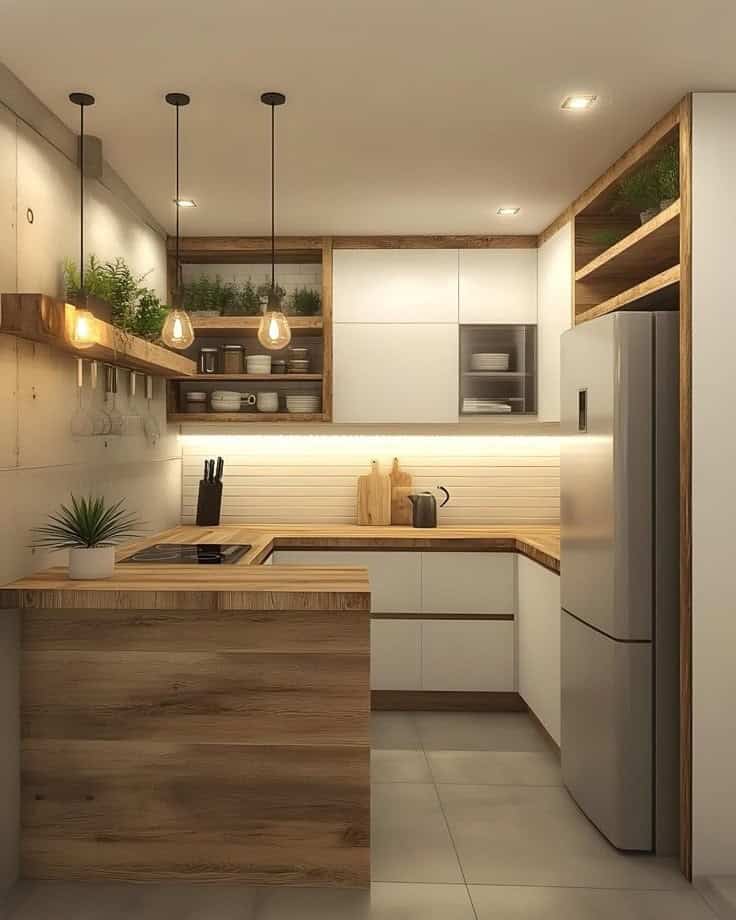
This is where IKEA kitchens truly earn their reputation. I’ve seen tiny kitchens that function better than much larger ones — simply because the layout was smart.
What Matters Most in Small Kitchens
- Storage efficiency
- Visual calm
- Accessibility
The Look
- Light colors
- Vertical storage
- Clean, uninterrupted surfaces
IKEA Products That Are Game-Changers
| Problem | IKEA Solution | Why It Helps |
|---|---|---|
| Limited space | Tall cabinets to the ceiling | Maximizes storage |
| Awkward corners | Pull-out corner units | No wasted space |
| Deep cabinets | Drawer systems | Everything is visible |
| No pantry | Slim pull-out pantry | Huge storage in narrow gaps |
My Honest Opinion
I always prefer drawers over lower cabinets. Always. Being able to see everything at once changes how a small kitchen functions.
4. White IKEA Kitchens That Don’t Feel Flat or Boring
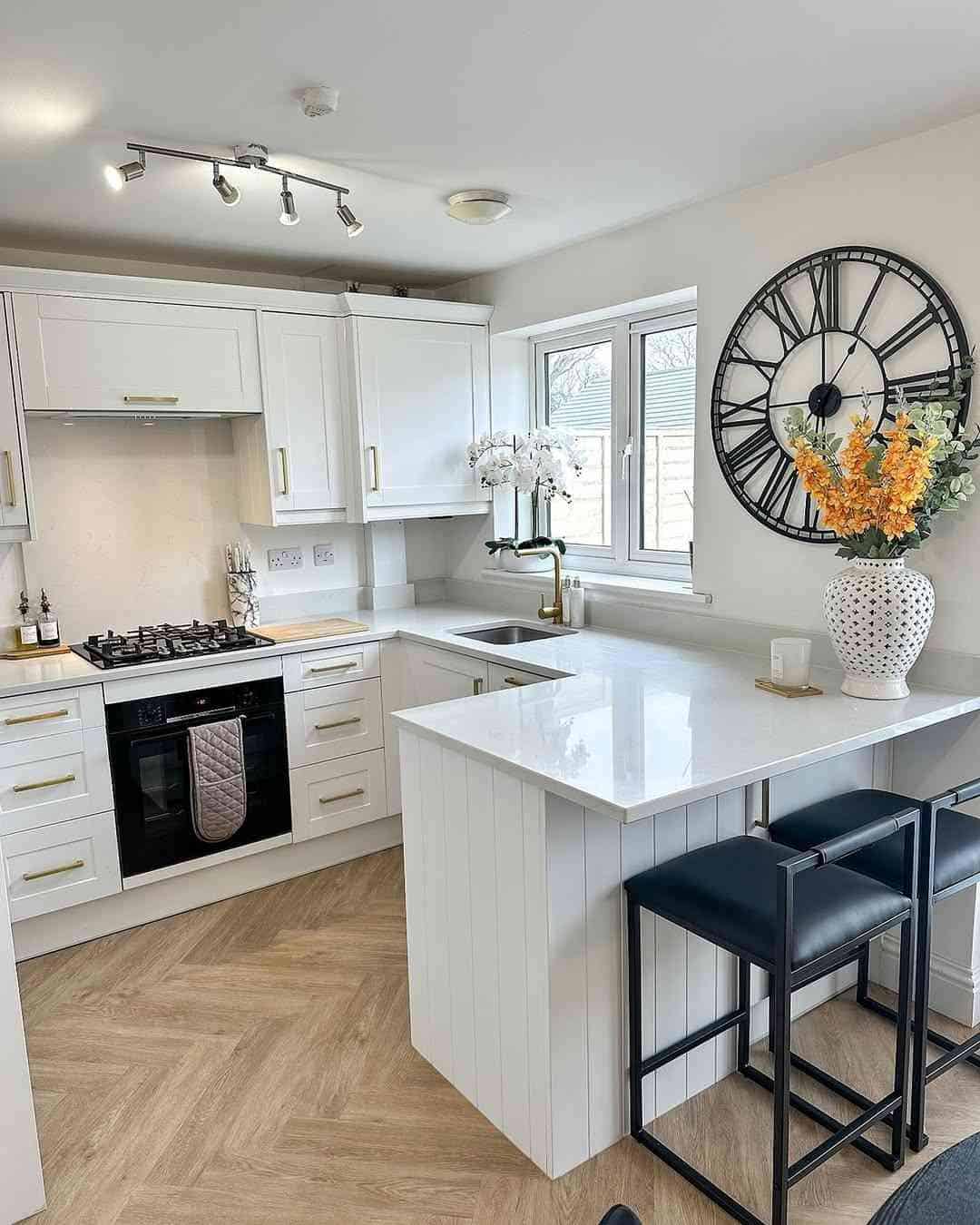
White kitchens are popular for a reason — they’re bright, timeless, and flexible. But they’re also easy to mess up.
What I Like
- Brightness
- Timeless appeal
- Easy to restyle over time
What I Avoid
- All-white everything
- No texture
- No contrast
How to Add Depth to a White IKEA Kitchen
| Element | What to Do | Why It Works |
|---|---|---|
| Countertops | Use darker or veined surfaces | Adds contrast |
| Backsplash | Texture over color | Keeps it subtle |
| Hardware | Slightly darker tones | Defines lines |
| Wood | Introduce small accents | Softens the space |
Personal Take
I don’t like white kitchens that feel “new-build sterile.” I always add at least one grounding element — wood, stone, or matte black.
5. Dark & Moody IKEA Kitchens (Bold but Balanced)
Dark kitchens scare people, but I actually love them when done right. IKEA can absolutely pull this off — with some planning.
The Look
- Dark cabinet fronts
- Clean lines
- Strong lighting contrast
IKEA Products That Support Dark Kitchens
| Feature | IKEA Choice | Important Note |
|---|---|---|
| Cabinets | Dark or black fronts | Keep walls lighter |
| Lighting | Under-cabinet LEDs | Non-negotiable |
| Counters | Light or mid-tone | Prevents heaviness |
| Hardware | Minimal, matte | Keeps it sleek |
My Rule
If you go dark, lighting is not optional. I don’t recommend dark kitchens without layered lighting — they’ll feel heavy fast.
6. Farmhouse-Style Kitchens Using IKEA Cabinets (Yes, It Works)
A lot of people assume farmhouse kitchens need custom cabinetry. I don’t agree. IKEA cabinets work beautifully here if you soften them.
What Defines the Farmhouse Look
- Warm tones
- Visible textures
- Mix of old and new
- Comfort over perfection
How to Achieve It with IKEA
| Element | IKEA Base | How to Style It |
|---|---|---|
| Cabinets | Simple shaker-style fronts | Paint or keep in warm white |
| Counters | Solid wood or stone | Avoid ultra-gloss finishes |
| Sink area | Deep farmhouse-style sink | Pair with vintage-style faucet |
| Shelving | Open wood shelves | Display everyday ceramics |
My Personal Take
I don’t like farmhouse kitchens that feel themed. I prefer subtle farmhouse — one or two rustic elements mixed with clean IKEA cabinetry.
7. Wood-Accent IKEA Kitchens (Warm Without Going Rustic)
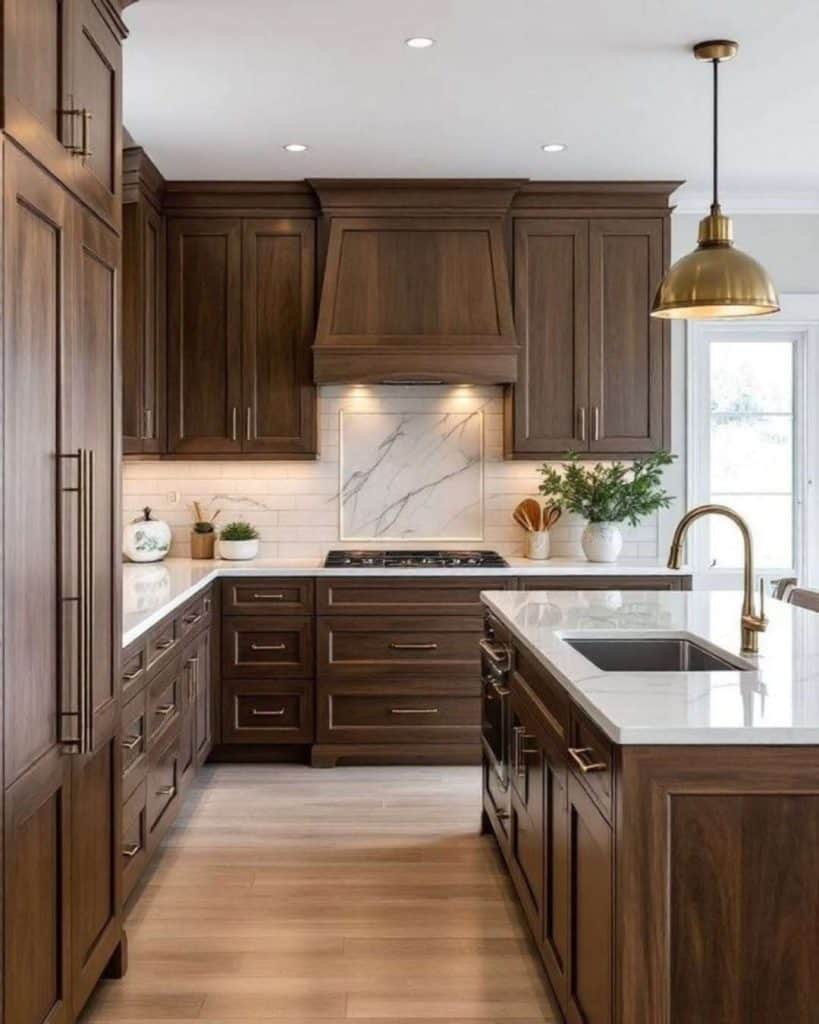
This is one of my favorite ways to elevate an IKEA kitchen. Wood changes everything.
Why Wood Works So Well
- Adds warmth instantly
- Balances modern lines
- Feels timeless
Smart Ways to Use Wood with IKEA
| Wood Element | Best Use Case | Visual Impact |
|---|---|---|
| Wood fronts | Upper or lower cabinets only | Creates contrast |
| Wood shelves | Open shelving | Lightens the space |
| Wood island | Kitchen island | Strong focal point |
| Wood panels | Appliance surrounds | Custom look |
What I Avoid
I don’t like using wood everywhere. One or two areas are enough — otherwise it starts feeling heavy.
8. Open Shelving in IKEA Kitchens (Do This Carefully)
Open shelving looks amazing in photos… and chaotic in real life if you’re not careful.
When Open Shelving Works
- You’re organized (or willing to be)
- You use neutral, cohesive items
- You keep it minimal
IKEA-Friendly Open Shelf Ideas
| Shelf Type | Where It Works Best | Styling Tip |
|---|---|---|
| Floating shelves | Above counters | Stick to light colors |
| Metal brackets | Industrial kitchens | Balance with warm items |
| Wood shelves | Scandinavian styles | Leave negative space |
My Honest Rule
If you wouldn’t be okay with it being messy every day, don’t make it open shelving.
9. IKEA Kitchen Islands & Peninsulas (Design + Function)
Islands are where kitchens become social spaces — and IKEA does islands surprisingly well.
Island vs Peninsula
| Feature | Island | Peninsula |
|---|---|---|
| Space needed | Larger kitchens | Smaller layouts |
| Flexibility | High | Moderate |
| Seating | All sides | One side |
| Cost | Higher | Lower |
IKEA Products That Work Well
- Base cabinets combined into custom island sizes
- Drawer-heavy layouts (my preference)
- Integrated storage on the back side
Personal Preference
I prefer storage over seating. You can always add stools later — you can’t add storage easily once it’s built.
10. Mixing IKEA with Non-IKEA Elements (The Secret Sauce)
This is where IKEA kitchens truly stop looking like IKEA kitchens.
What I Almost Always Mix
- Non-IKEA countertops
- Statement lighting
- Unique hardware
- Custom backsplashes
Mixing Guide
| Element | IKEA or Not? | Why |
|---|---|---|
| Cabinets | IKEA | Best value |
| Drawers | IKEA | Excellent quality |
| Countertops | Often non-IKEA | Bigger impact |
| Lighting | Non-IKEA | Sets mood |
| Hardware | Non-IKEA | Small but powerful |
My Philosophy
Use IKEA where it’s strong and logical, and bring personality in through details.
How to Plan an IKEA Kitchen That Actually Works Long-Term
I prefer to design IKEA kitchens around real habits, not ideal ones. How often you cook, how organized you are, and how much maintenance you’re willing to do should guide every decision.
Layout matters more than style. If the spacing feels tight or awkward on paper, it will feel worse in daily use. I always prioritize clear walking paths and easy access to frequently used items.
Storage should be planned around actual objects, not vague categories. Drawers tend to age better than lower cabinets, and they make everyday tasks easier.
Finally, think long-term. Neutral cabinet choices, flexible storage, and practical surfaces allow an IKEA kitchen to evolve with you instead of locking you into a specific moment or trend.
Final Thoughts: Designing an IKEA Kitchen That Feels Like You
If there’s one thing I hope you take from this, it’s this:
An IKEA kitchen doesn’t have to look like IKEA — unless you let it.
I actually like IKEA kitchens. I just don’t like kitchens that feel rushed, generic, or copied straight from a showroom. When you slow down, plan your layout carefully, and layer in textures and personal choices, IKEA becomes a powerful tool — not a limitation.
At the end of the day, the best IKEA kitchen is the one that:
- Works for your daily life
- Feels comfortable, not trendy
- Still makes you smile when you walk in
And yes — IKEA can absolutely do that.
Until next time,
Stay safe,


I’m Katerina Lithopoulou, co-creator of DIY Cozy Living. I’ve always loved the little things that make a space feel special. With a background in language and a passion for photography and cozy design, I enjoy turning everyday inspiration into simple ideas people can actually use.
My motto: “Cozy isn’t a trend — it’s a feeling.”
