
21 DIY Bath Bombs You Will Want to Make This Weekend

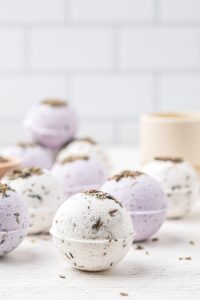
I bought my first bath bomb at Lush, used it in about four minutes, and spent the rest of the week thinking about how to justify buying more.
At twelve euros each I could not.
So I learned to make them, and it turned out to be one of the most satisfying things you can make at home. The ingredients are simple, the process takes about thirty minutes, and the results look and smell genuinely as good as the expensive ones.
These twenty-one recipes cover everything from simple beginner bath bombs to layered galaxy designs, seasonal scents, skin-soothing formulas, and a few that make perfect gifts.
What You Need for Almost Every Bath Bomb Recipe
Before you start, gather the core ingredients. Most recipes on this list use the same basic set with variations for scent, colour, and skin benefits.
Baking soda: The base of every bath bomb. Usually the largest ingredient by weight.
Citric acid: The ingredient that creates the fizz when it meets water. Essential and not substitutable.
Cornstarch: Softens the texture and slows the fizzing so you get a longer, more satisfying reaction.
Epsom salt: Optional but common. Soothes muscles and adds a slight texture.
Oil: Coconut oil, almond oil, or shea butter. The moisturising element that leaves skin feeling soft after the bath.
Essential oil: The scent. Lavender, eucalyptus, peppermint, rose, citrus, and vanilla are the most common.
Colouring: Soap-safe mica powder or natural options like matcha, cocoa powder, or turmeric.
Witch hazel: In a small spray bottle. Used to lightly bind the mixture without activating the fizz.
Moulds: A standard bath bomb mould is a round two-piece metal or plastic sphere. Cupcake tins, silicone moulds, and cookie cutters also work for different shapes.
The Base Recipe (Before Any Variations)
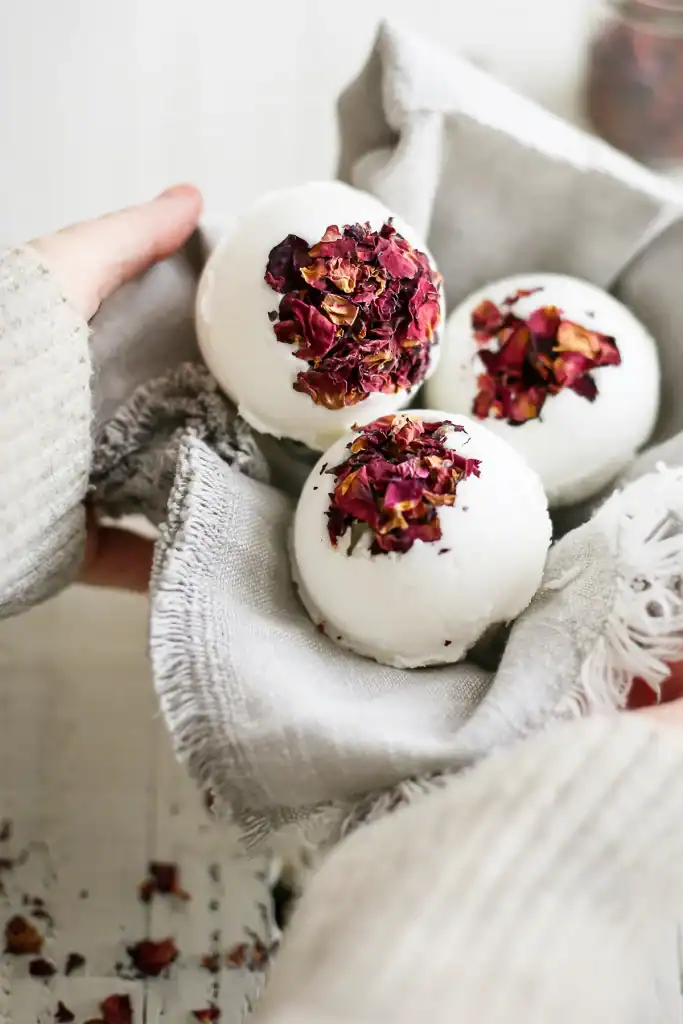
Most of the recipes below start from this foundation and then add their specific ingredients on top.
Mix your dry ingredients (baking soda, citric acid, cornstarch, Epsom salt if using) together thoroughly in a large bowl.
In a separate smaller bowl, mix your wet ingredients (oil, essential oil, colouring).
Add the wet ingredients to the dry ingredients very slowly, a few drops at a time, stirring continuously. If you add liquid too fast the mixture will start to fizz before it is in the mould.
The mixture is ready when it clumps together when squeezed in your hand but is not sticky. Pack firmly into the mould, leave to set for at least twenty-four hours, and unmould carefully.
21 DIY Bath Bomb Recipes
1. Coffee and Cream Bath Bombs
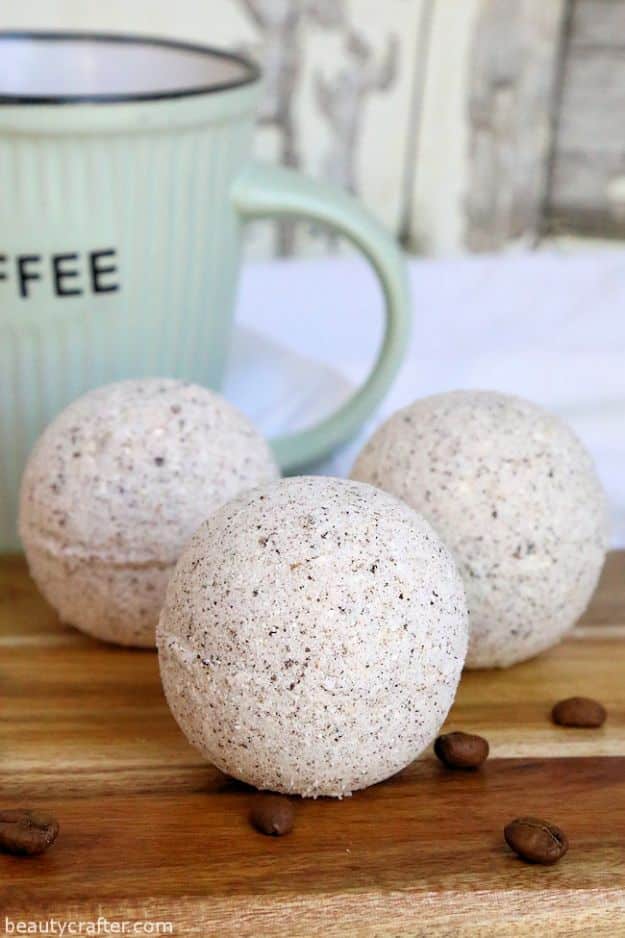
Coffee is genuinely good for skin, which makes these bath bombs more than just a fun idea. The coffee grounds gently exfoliate while the powdered milk in the recipe soothes and softens. The colour is a warm mocha brown and the scent is exactly what you want on a slow morning. These are one of the most unique options on this list and a brilliant gift for anyone who considers their morning coffee a sacred ritual.
2. Pumpkin Spice Bath Bombs
Via purelykatie.com
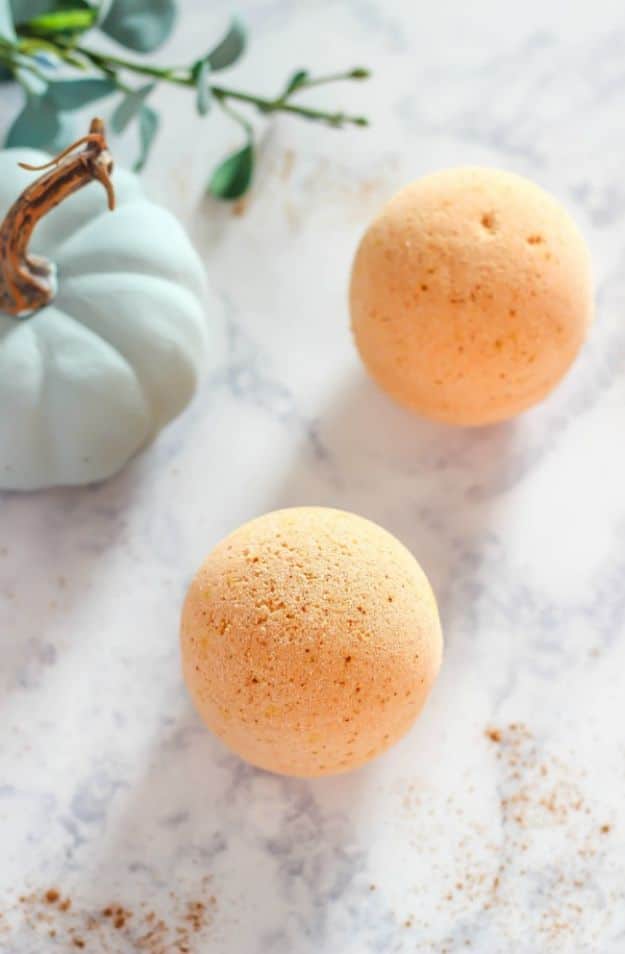
Everything about autumn in one bath bomb.
The coral colour is warm and seasonal, the pumpkin spice scent fills the bathroom immediately on contact with water, and the moisturising formula leaves skin feeling soft after a long soak. These come together quickly and make a beautiful handmade gift for anyone who takes the arrival of autumn seriously.
Drop one in the tub on the first cold evening of the year and the season officially begins!
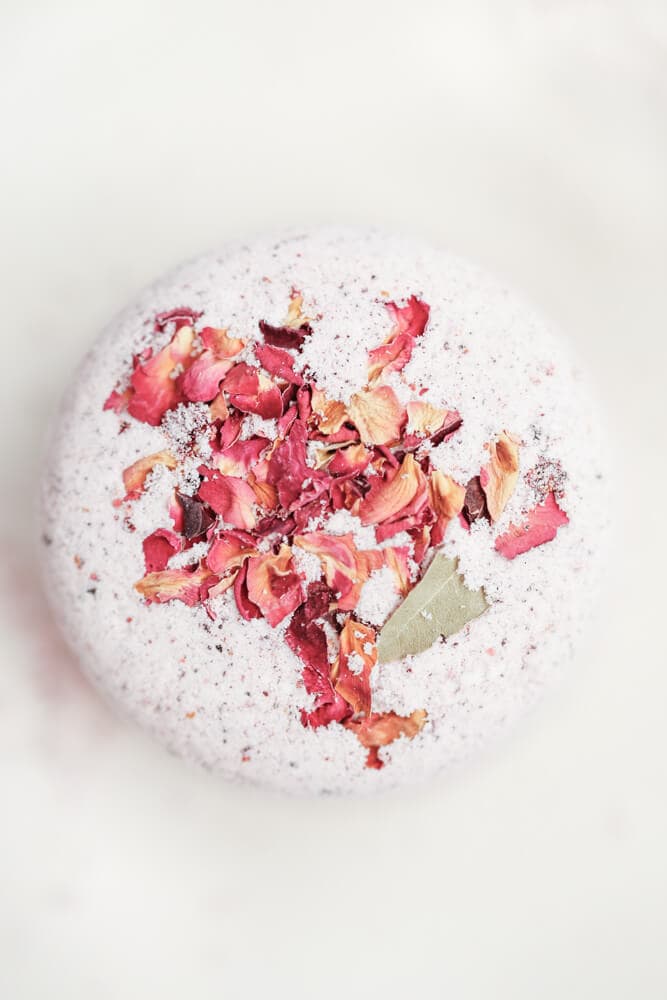
3. Rose Bath Bombs
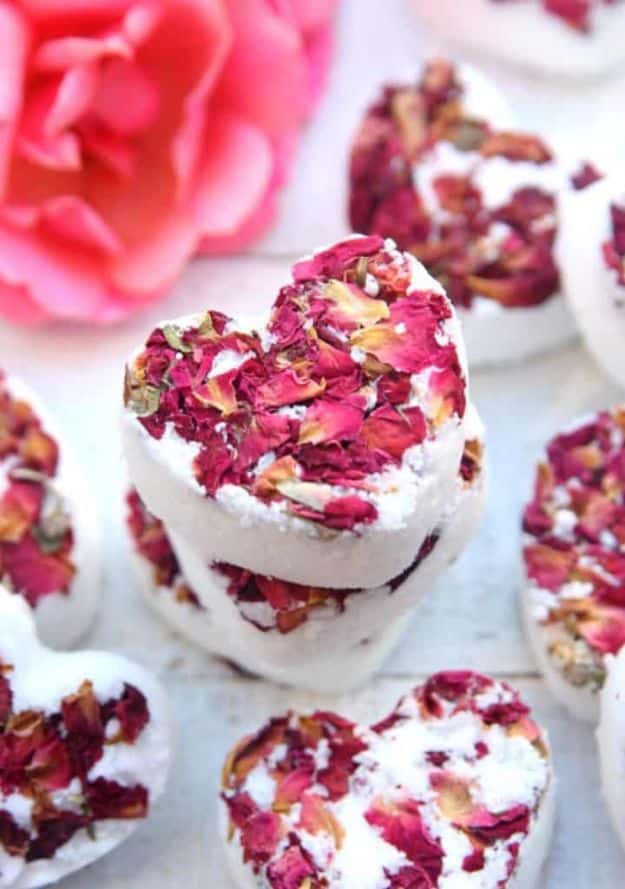
Dried rose petals, rose essential oil, Epsom salt, citric acid, and baking soda. The formula is simple but the result looks genuinely beautiful.
The rose petals float around the bath as the bomb dissolves, the scent is romantic rather than overpowering, and the skin feels noticeably softer afterward.
These are the bath bomb equivalent of treating yourself properly, and they make a perfect handmade Valentine’s Day or birthday gift.
4. Fizzy Cupcake Bath Bombs
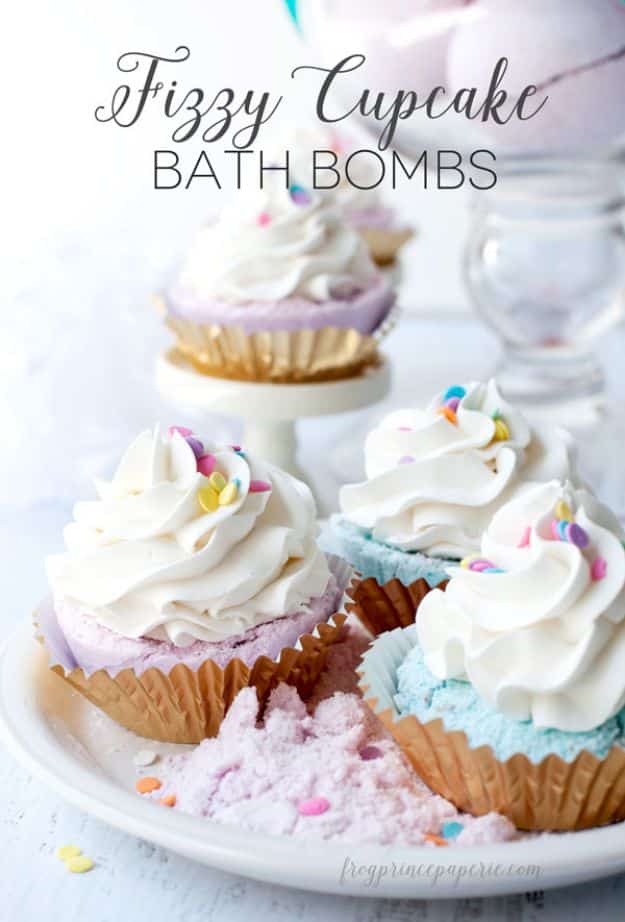
The shape is what makes these. A round bath bomb base with a swirl of whipped soap or sodium lauryl sulfoacetate “frosting” piped on top makes these look almost edible. They are not, obviously, but they photograph beautifully and are genuinely fun to make. The tutorial includes a picture-by-picture guide which helps with the piping step, which is the only slightly fiddly part of the whole process.
5. Iridescent Pearl Bath Bombs
Via soapqueen.com
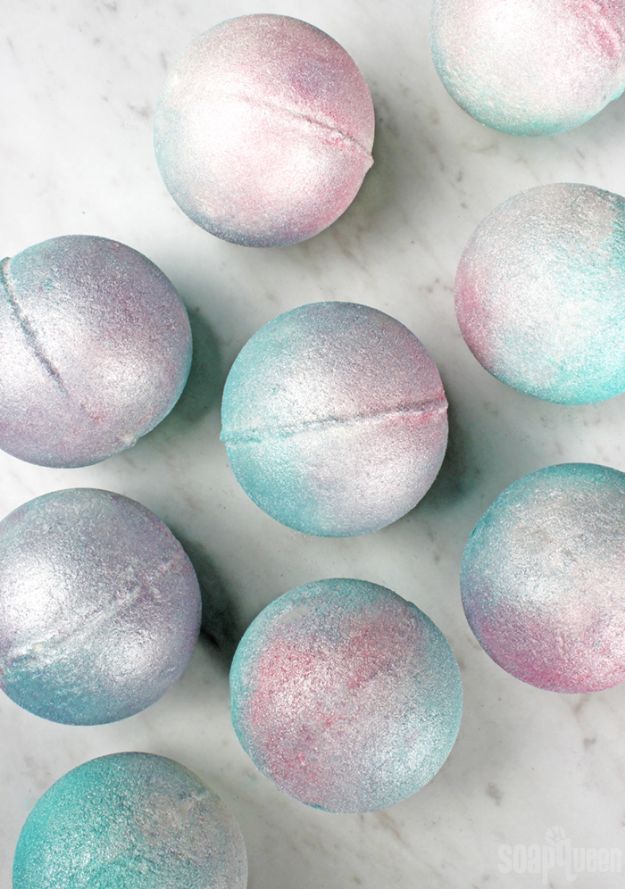
These are the most visually impressive bath bombs on this list. Rose gold mica and aqua pearl mica layered over a shea butter base create a subtle ombré effect that looks genuinely holographic. The technique for creating the multi-coloured pearl effect is covered in the full tutorial, and the results look like something from a high-end bath boutique. The light rose scent and the shea butter moisturising base mean they feel as good as they look.
6. Allergy Relief Lavender Lemon Bath Bombs
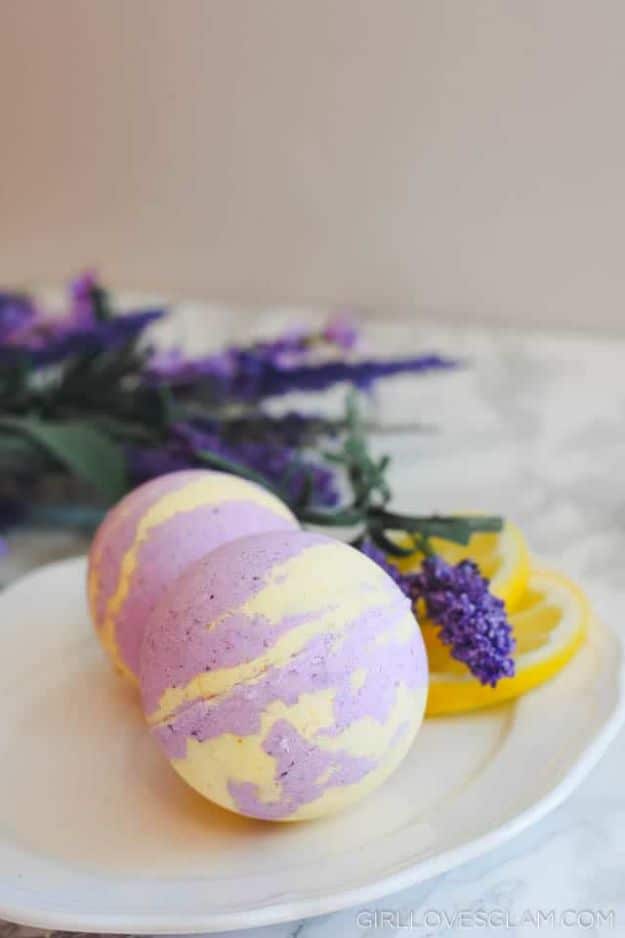
Lavender is calming and lemon is clarifying, and together they create one of the most pleasant and genuinely useful bath bomb scents there is. This recipe is designed specifically with allergy relief in mind, and the combination of essential oils was chosen for their soothing properties as much as their scent. Drop one in when the season changes and your sinuses disagree with the decision.
7. Eucalyptus Bath Bombs
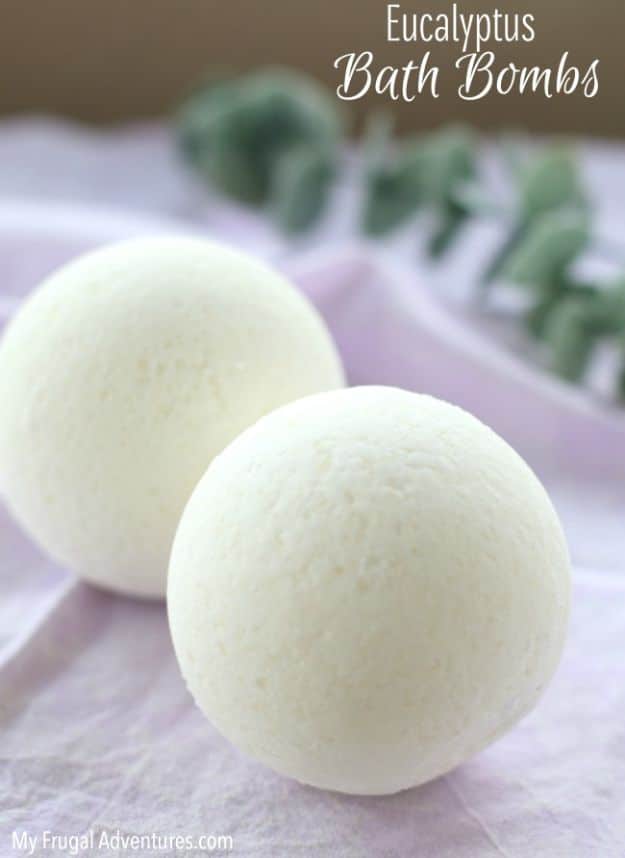
The bath bomb for when you are exhausted, achy, or coming down with something. Eucalyptus is one of those scents that immediately makes you feel like you are doing something good for yourself, and the steam from a warm bath intensifies it beautifully. This recipe is one of the most straightforward on the list, which makes it a great starting point if you have never made bath bombs before. Once you have the basic method down, you can try the more elaborate recipes with confidence.
8. Moisture Rich Milk and Honey Bath Melts
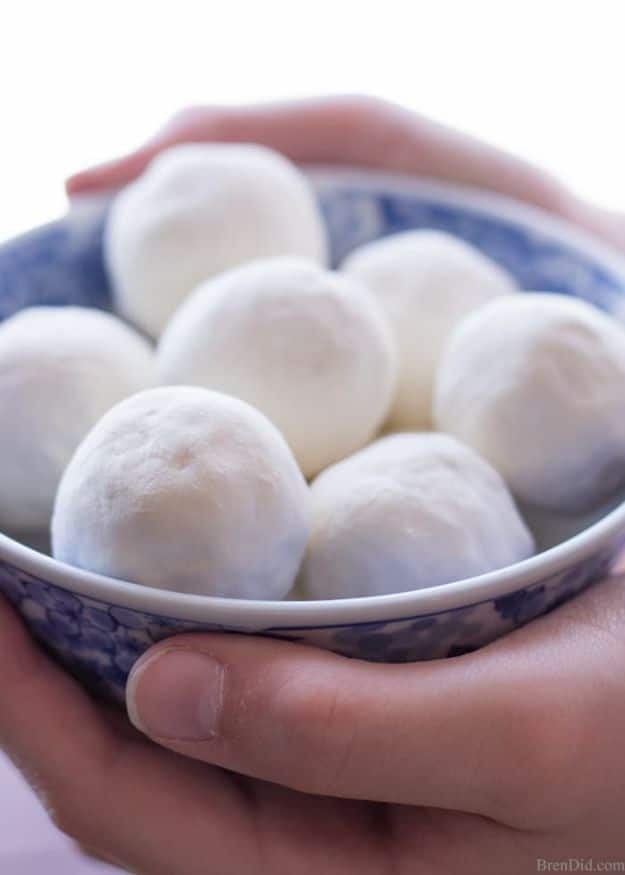
Via brendid.com
Technically a bath melt rather than a bath bomb, these do not fizz but they dissolve slowly in warm water and release a deeply moisturising blend of milk and honey into the bath.
The result is skin that feels genuinely silky after soaking, which is exactly what you want in winter or whenever your skin feels dry and tight.
A perfect option if you prefer the soothing soak without the fizz.
9. DIY Herbal Bath Bombs
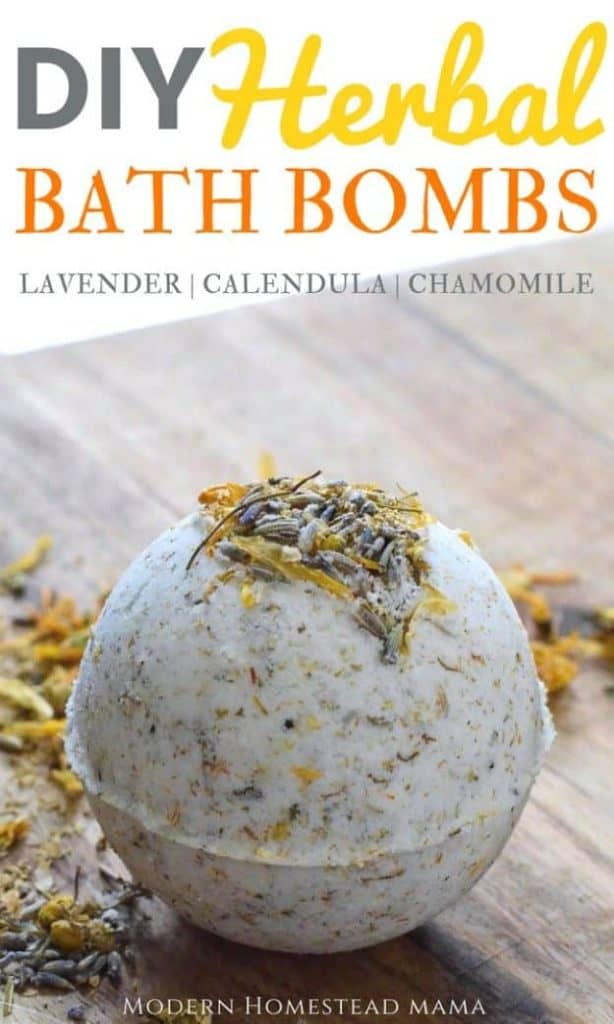
Dried herbs pressed into the surface of these bath bombs make them look like something from an apothecary shelf. Lavender buds, chamomile flowers, rose petals, or calendula all work beautifully both visually and in terms of the gentle skin benefits they release into the water. The natural, uncoloured look of these makes them one of the most giftable options on the list, especially tied up with twine and a handwritten label.
10. Blue Lagoon Bath Bomb
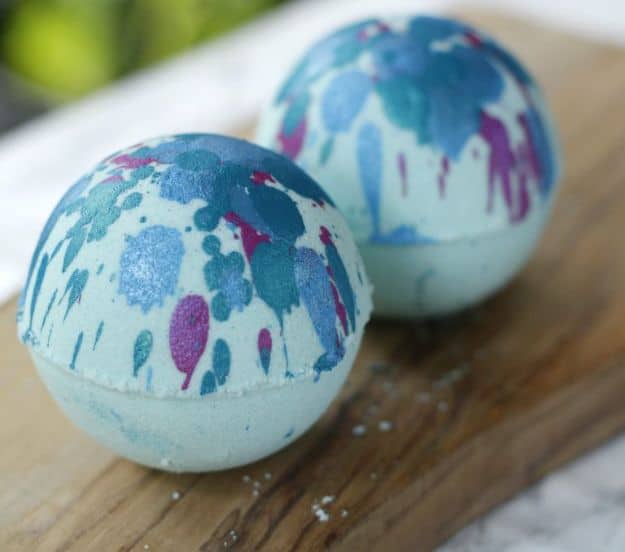
The name says everything about what you are going for here.
Deep ocean blue colouring, a fresh aquatic scent, and a formula that turns the bathwater a beautiful clear blue as it dissolves.
The tutorial covers the layering technique that creates the deep-to-light blue gradient effect, which looks impressive but is more achievable than it appears. Drop one in and suddenly the bath looks like a luxury hotel spa rather than your bathroom.
11. Pink Himalayan Salt Bath Bombs
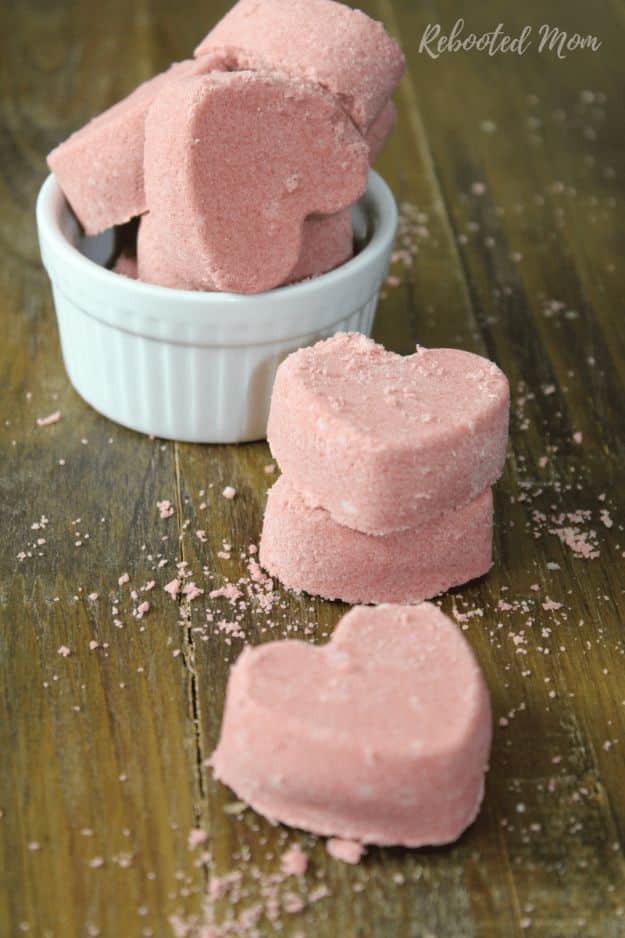
Via rebootedmom.com
Pink Himalayan salt adds a gentle exfoliating quality and a slight mineral richness to a regular bath bomb recipe.
The natural pink colour of the salt also tints the finished bomb beautifully without any added colouring. These are one of the most natural options on this list and the skin feels noticeably smooth after soaking.
A great option for anyone who prefers their bath products free from synthetic dyes.
🔥 Would you like to save this?
12. DIY Matcha Green Tea Bath Bombs
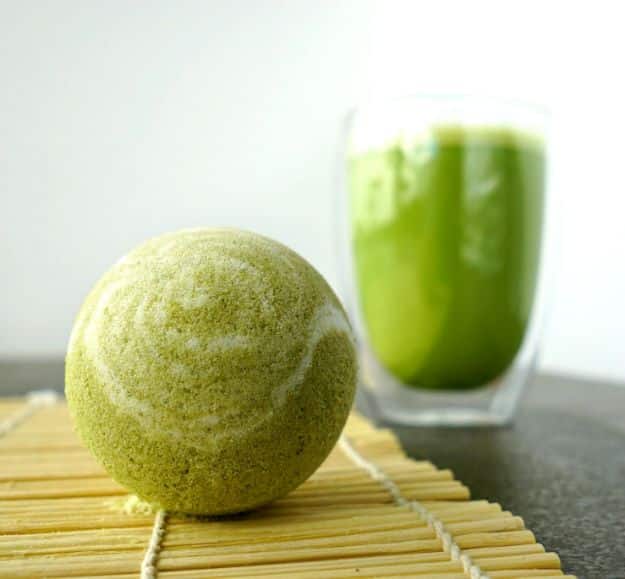
Matcha is having a moment in skincare as well as in every coffee shop menu, and for good reason.
The antioxidants in matcha are genuinely beneficial for skin, and the deep green swirled through these bath bombs looks striking.
The technique for creating the swirl pattern is covered in the tutorial and produces a result that looks far more complicated than it actually is to make. The scent is earthy and fresh rather than heavily perfumed.
13. Coconut Oil Bath Bombs
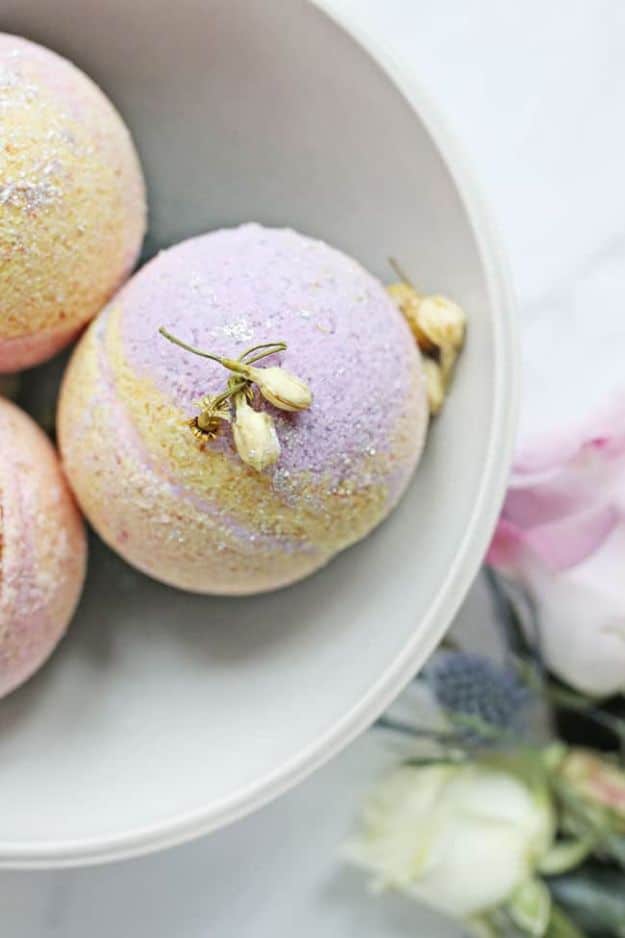
Via helloglow.co
Coconut oil is one of the best moisturising ingredients you can add to a bath bomb and this recipe uses it generously.
The result is a bath that leaves skin feeling genuinely nourished rather than just clean. The recipe is simple and uses ingredients most people already have at home, which makes it a great everyday bath bomb rather than a special occasion one.
Make a big batch, keep them in a jar by the bath, and use one whenever you need a proper soak.
14. DIY Oatmeal Bath Bombs
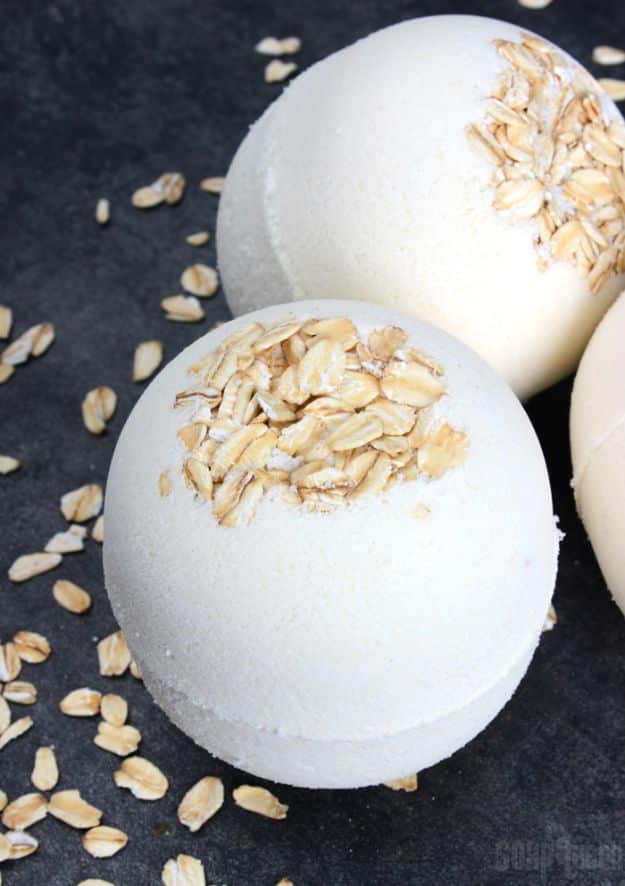
Via soapqueen.com
Colloidal oatmeal is one of the most well-documented soothing ingredients for irritated, itchy, or sensitive skin.
These bath bombs use it generously alongside a moisturising oil base to create a bath that is genuinely therapeutic for anyone with dry or reactive skin.
The finished bombs are large and rustic-looking rather than perfectly polished, which gives them a handmade warmth that works beautifully in a gift basket.
15. Hot Chocolate Bath Bombs
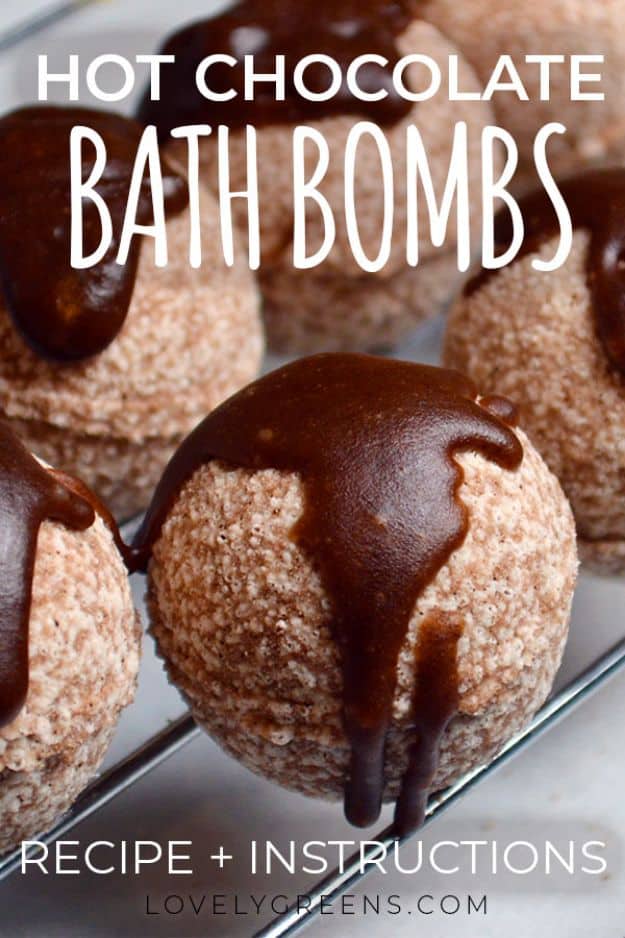
Via lovelygreens.com
Cocoa powder, cocoa butter, and a warm vanilla scent. These are the cosiest bath bombs on the list and they smell genuinely extraordinary.
The cocoa butter is deeply moisturising and the chocolate scent intensifies beautifully in a steamy bathroom.
Make these in winter, wrap them in brown paper tied with ribbon, and give them as Christmas gifts. They are also, without question, the best-smelling thing you can make in an afternoon.
16. Surprise DIY Bath Bombs
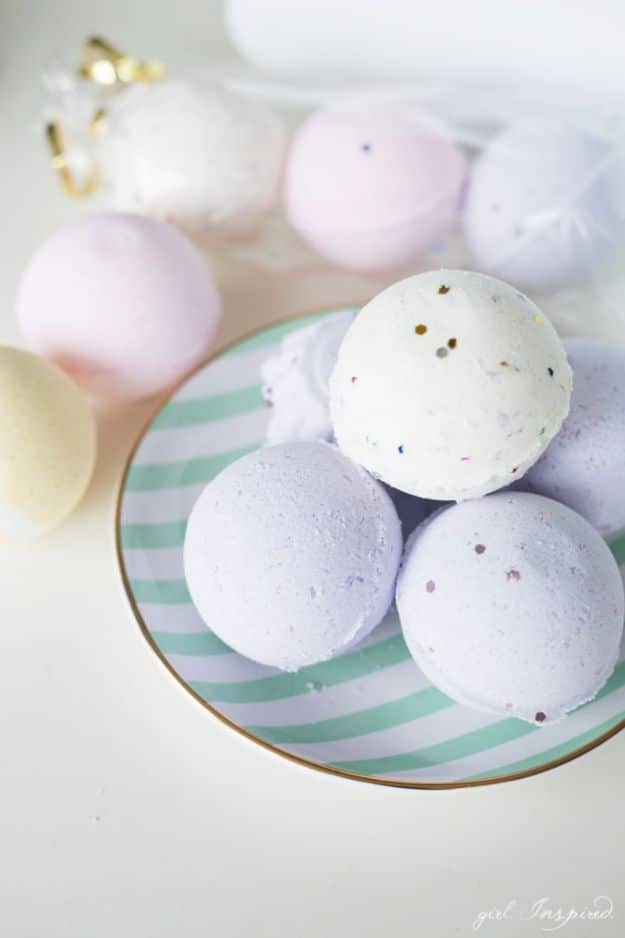
A small toy, a ring, a charm, or a piece of jewellery hidden inside the bath bomb that is revealed as it dissolves.
This is the bath bomb that children absolutely lose their minds over, and the tutorial covers exactly how to embed the surprise inside the mould so it stays hidden until the bomb is fully dissolved.
Use a small waterproof toy or a ring wrapped in a tiny piece of plastic wrap. The reveal moment is genuinely exciting.
17. Rainbow Sprinkle Bath Bombs
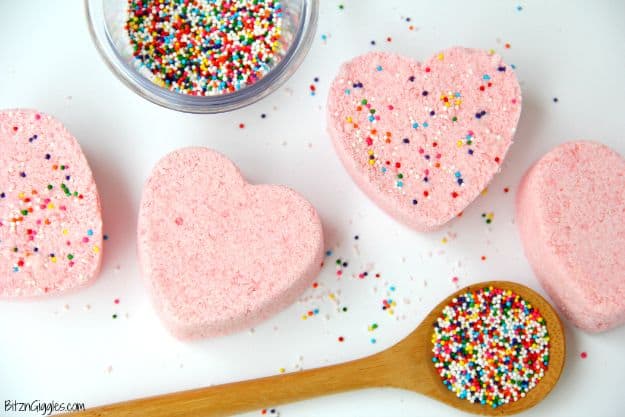
Via bitzngiggles.com
Biodegradable rainbow sprinkles pressed into the outside of these bath bombs make them look like something from a birthday celebration, which is exactly the right energy.
The sprinkles dissolve harmlessly in the bath and the overall effect is cheerful, colourful, and impossible not to smile at.
These are a perfect bath bomb to make with children, who can press the sprinkles into the surface themselves and feel genuinely involved in the making.
18. Glittery Candy Corn Bath Bombs
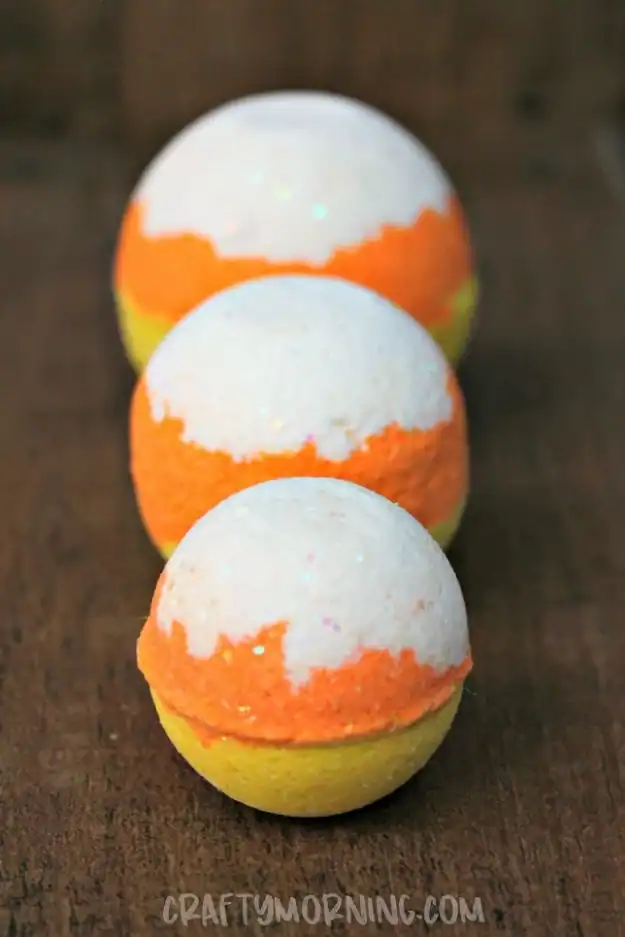
Orange, white, and yellow layers with cosmetic glitter scattered through make these the most obviously Halloween bath bomb on the list.
The candy corn colour striping requires careful layering inside the mould but the tutorial walks through the technique clearly.
These are a brilliant alternative Halloween gift for anyone who has outgrown the trick-or-treating stage but still wants something fun and seasonal. The glitter is cosmetic-grade and skin-safe.
19. Peppermint Bath Bombs
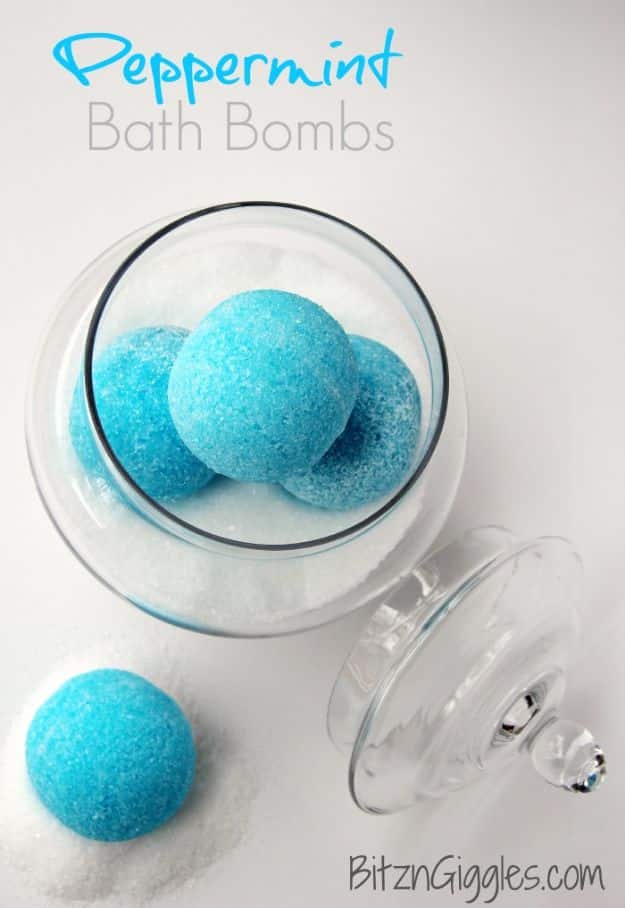
Via bitzngiggles.com
Peppermint essential oil creates a cooling, tingling sensation in the bath that is instantly refreshing and surprisingly energising. T
hese are the bath bomb to use on a hot summer evening or after exercise when you want to feel genuinely revived rather than just clean.
The scent is clean and sharp rather than sweet, which makes them a good option for anyone who finds floral or vanilla scents too heavy. They also make excellent gifts for anyone who needs a pick-me-up.
20. Heart-Shaped Bath Bombs
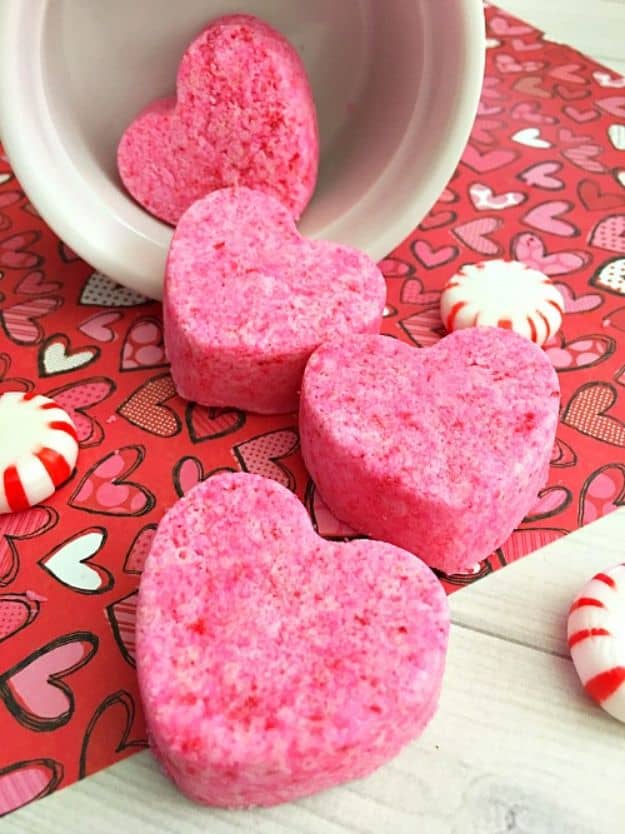
The shape changes everything about how a bath bomb feels as a gift.
These heart-shaped bath bombs use a heart silicone mould rather than the standard sphere, and the tutorial covers both the mould technique and a lovely rose and geranium scent combination that suits the shape perfectly.
Make a batch for Valentine’s Day, a wedding gift, a baby shower, or just for yourself because you deserve something that looks beautiful in the bath.
21. Sleepy Time DIY Bath Bombs
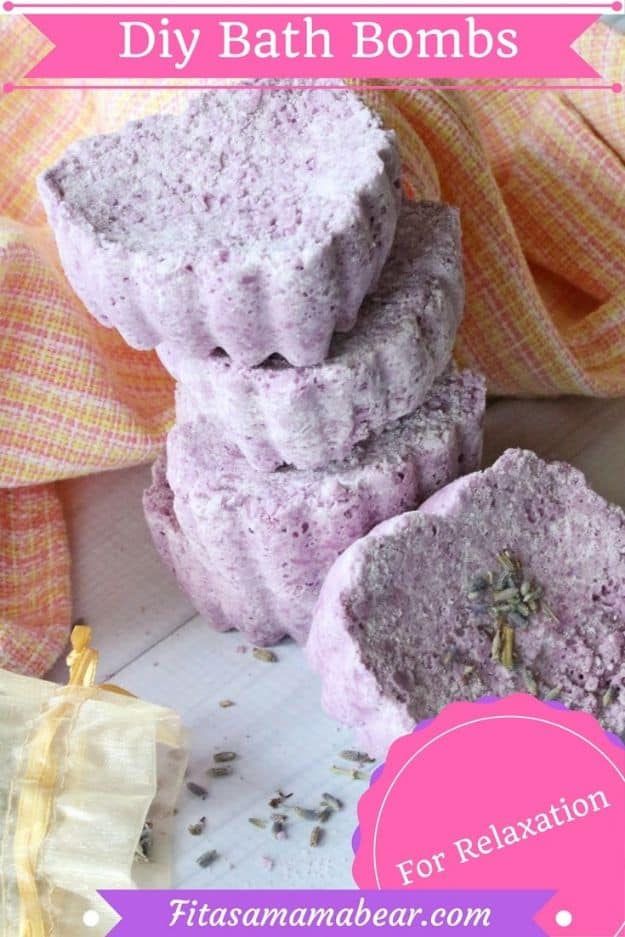
Lavender, chamomile, and a touch of cedarwood make these the most genuinely relaxing bath bomb on the list.
The essential oil combination is chosen specifically for its sleep-supporting properties, and soaking in a warm bath with these before bed is one of the most effective and pleasant ways to wind down after a long day.
Make a batch, keep them on the bathroom shelf, and use one on any evening when your brain will not stop running. The sleep afterward is notably better.
Tips for Making Bath Bombs That Actually Work
Humidity is the enemy. Bath bomb mixture starts to react with moisture in the air, not just in water. Work on a dry day if you can, and work quickly once the wet ingredients are added to the dry ones.
Add colour carefully. A little mica powder goes a long way. Start with less than you think you need and add more gradually. Too much mica can stain the bath or leave a residue on the skin.
Pack the mould firmly. The most common mistake is under-packing the mould. Press the mixture in firmly and overfill each half slightly before pressing them together. A loosely packed bath bomb crumbles when unmoulded.
Wait the full twenty-four hours. It is tempting to unmould early but the bath bomb needs the full curing time to harden properly. Unmoulding too soon is how they crack.
Store correctly. Keep finished bath bombs in an airtight container or individually wrapped in cling film. Exposure to humidity in the bathroom air will cause them to start fizzing slowly over time, which wastes the reaction before they ever hit the water.
Test a small amount first. If you are adding a new essential oil or colouring, mix a small test batch before committing to a full recipe. Some essential oils can affect the texture of the mixture in unexpected ways.
Frequently Asked Questions
What is the basic ratio for a bath bomb? The most common starting ratio is two parts baking soda to one part citric acid. From there, most recipes add cornstarch, a carrier oil, and essential oil in smaller amounts. The exact ratios vary by recipe but the baking soda to citric acid ratio is the foundation.
Why is my bath bomb crumbling? Either the mixture was too dry when packed into the mould, or it was not packed firmly enough. Add a tiny extra spray of witch hazel to bring the mixture together, then pack more firmly. Let it cure the full twenty-four hours before unmoulding.
Why is my bath bomb fizzing before it goes in the bath? Too much liquid was added too quickly, or the mixture was exposed to humidity. Add wet ingredients more slowly next time, a few drops at a time, and work in a drier environment.
Can I use food colouring instead of mica powder? Soap-safe mica powder is strongly recommended over food colouring. Food colouring can stain the bath and sometimes the skin. Mica powder disperses cleanly in water and gives a more vibrant, consistent colour.
How long do homemade bath bombs last? Properly stored in an airtight container away from humidity, most bath bombs last six months to a year. The baking soda and citric acid gradually lose their reactivity over time, so older bombs may fizz less dramatically even if they still smell good.
Are bath bombs safe for all skin types? Most basic bath bomb recipes are fine for normal skin. Anyone with very sensitive skin should avoid fragrance and colouring and stick to plain essential oils like lavender. The oatmeal and milk and honey recipes on this list are the best options for sensitive or irritated skin.
The first batch I made was lavender, because lavender is the safe starting choice and I wanted something that would actually work. They did work.
They also looked exactly like the ones I had been paying twelve euros for, which was the most satisfying discovery of the whole experiment. I have not bought a commercial bath bomb since.
Pick one recipe, gather the ingredients, and make a batch this weekend. Then keep them on the bathroom shelf and use one whenever the day requires it.

I’m Katerina Lithopoulou, co-creator of DIY Cozy Living. I’ve always loved the little things that make a space feel special. With a background in language and a passion for photography and cozy design, I enjoy turning everyday inspiration into simple ideas people can actually use.
My motto: “Cozy isn’t a trend — it’s a feeling.”
