
How to Keep Mosquitoes Out of Your Yard All Summer (What Actually Works)

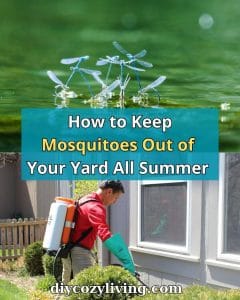
You don’t have to be in our summer place in Volos to know the mosquitoes are there. They show up in June as sure as the heat, the hordes of visitors and that distinct odour the sea has in the high season.
Come July, an evening in the garden is something of a stand-off. You’re there to put in some time outside, and so are they. The odds, let’s be honest, are not with you.
I’ve been down this road for years. I’ve put most of the usual remedies to the test. A few do their job. Some only half of it. And then there are the ones that are all the rage but turn out to be useless — I’m going to be blunt about those because there’s no point in wasting your hard-earned cash on a solution that is a non-starter.
What follows is the whole kit and caboodle: how we handle it in Volos these days, the reasoning behind it, and what I would put in front of someone who wants to make headway with the problem instead of leaving it to chance.
Start Where They Start — The Larvae
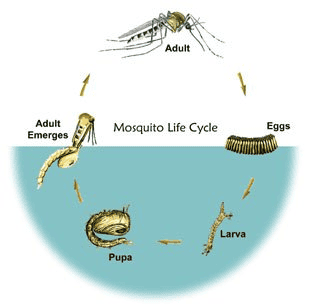
Most folks will put this aside, but in a way it’s the crux of the whole thing.
Think about it
Every mosquito you spot in your yard has to have been a larva in some pool of water first. I’m not talking about a river or anything with a current. Still water. It could be the saucer under a planter, a puddle that won’t go away, a clogged gutter, or even an upturned bucket that’s caught some rain. If it’s sitting there for a week or more, it’s an open invitation for them to breed.
There’s a reason you see planes making runs over the neighbourhoods in Greece come summer, dousing the wetlands and ditches with a bit of Bacillus thuringiensis israelensis, or Bti for short.
It’s a bacteria that is as good as it gets for ridding yourself of larvae and is perfectly safe for the rest of the world. You don’t have to worry about it harming the fish, the birds, the dog, the kids, or any of the good bugs. It’s after the mosquitoes and nothing else.
You can get your hands on the same stuff in the form of “mosquito dunks.” They’re little donut-shaped pucks you just toss in any standing water you have. A single one will do its job on some 7 square metres for a month. When the 30 days are up, you put in a new one.
This is the single most effective thing you can do. Eliminating the next generation of mosquitoes before they become mosquitoes reduces the adult population in your yard more than any repellent or trap. We put dunks in the ornamental dish in the garden, in the water feature, in the gutter downpipe outlet that sits in a small depression. The difference was noticeable within two weeks.
Mosquito bits are the same bacteria in granule form — useful for wet soil areas, plant saucers, anywhere water collects but a dunk won’t sit properly.
Beyond the dunks: eliminate standing water wherever you can. Empty plant saucers after rain. Keep gutters clear. Cover or turn over anything that can collect water — buckets, wheelbarrows, old tyres. This costs nothing and removes breeding sites entirely.
The Most Underrated Tool in the Garden
Let me be straight with you
A fan.
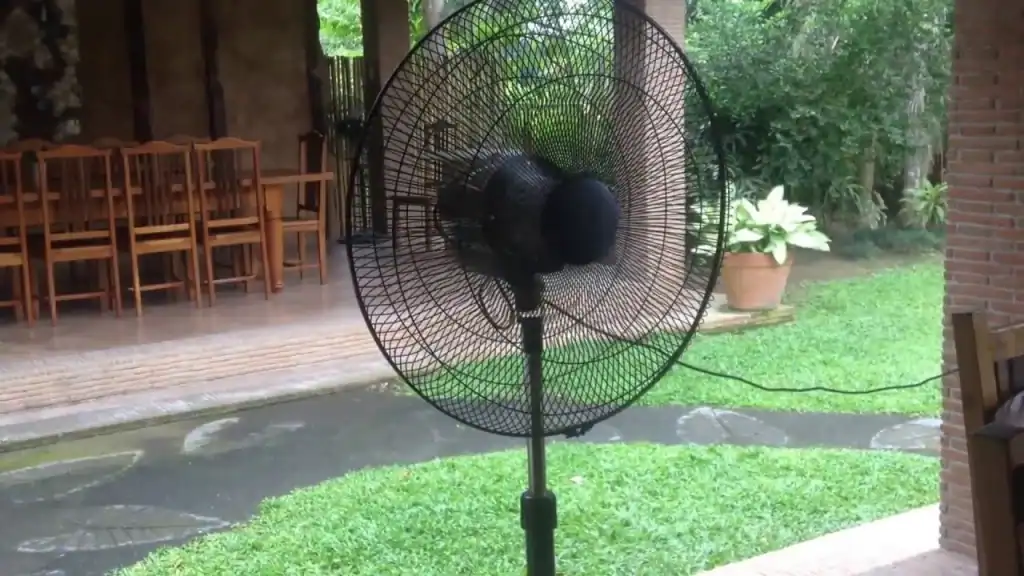
It’s one of the best ways to put an end to mosquitoes, and for some reason, it doesn’t get talked about much. Put a standing fan on your patio or terrace and you’re set.
The thing is, mosquitoes are poor fliers. You don’t need a gale to keep them at bay; a fan on medium does the trick. It makes for an impenetrable zone if you’re sitting in its path. They don’t go away — they’re still out in the garden — but they can’t make it to you.
We’ve got a big one out on the Volos terrace these days. When we have it on in the evening, you can tell right away. And when we don’t? We’ll be reminded of it in no time.
Just make sure you’re not pointing it into the yard. You want to cover the spot where you’re actually sitting. Think of it as a wall of air. Tilt it down a bit, too, since they tend to come in from below.
Permethrin Yard Spray

If you’re looking for a chemical repellent that will do the job in your yard and hold up for more than a couple of hours, this is it.
We’re talking about permethrin. It’s a man-made take on something you’d find in chrysanthemums. You put it on the vegetation — along the grass line, on some shrubs, at the foot of a tree, or wherever you know mosquitoes like to make themselves at home in the daytime. Anything that lands on it is done for; the rest are put off. One go-around should see you through three or four weeks, give or take, if you have a lot of rain.
It’s no danger to you or your animals once it has dried. But don’t let the pets be around when you’re putting it on, and give them a wide berth for two or three hours until it’s all set. Be especially careful with cats; it can be toxic to them while it’s still wet.
Time your application for early morning or evening. That’s when the mosquitoes are out and when you won’t be running into any bees. Permethrin is hard on pollinators in its wet state, so don’t even think of spraying a flower.
In a way, it’s the do-it-yourself version of what a pro would put down. They may use a bit more of the same stuff and better gear to be more methodical, but for an ordinary garden, this is just as good and a lot easier on the wallet.
Standing Water — The Complete Audit
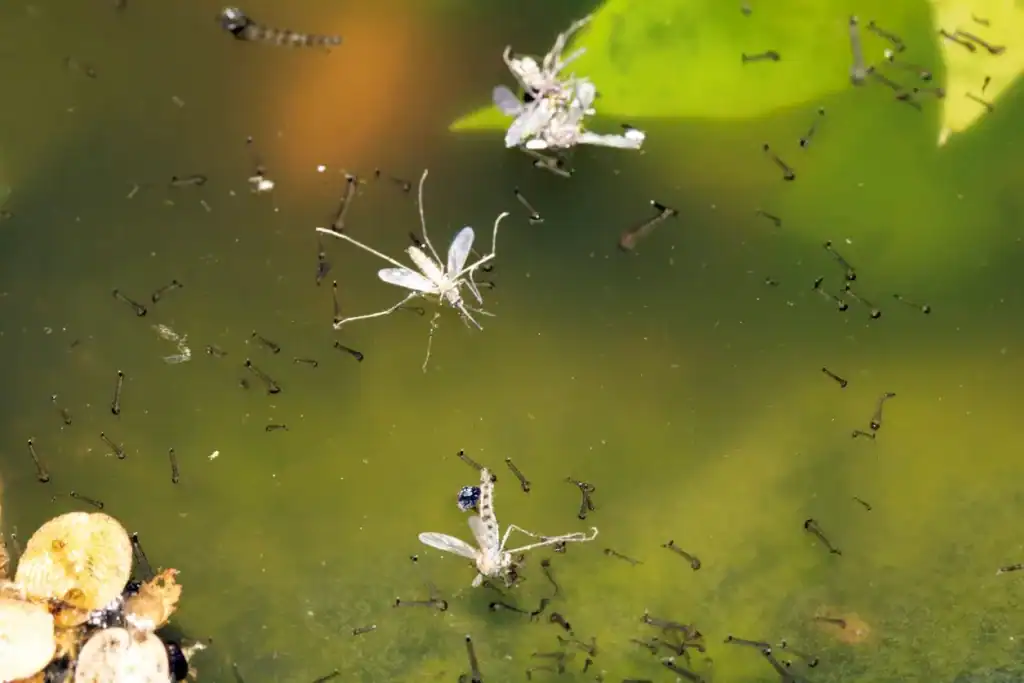
Worth going through this systematically because the breeding sites people miss are always the same ones.
The obvious ones: plant saucers, bird baths, decorative water features, buckets, watering cans left with water in them.
The ones people miss: the depression in the lawn that holds water after rain, the tarp or cover with a low point that collects water, the gutter that doesn’t drain properly, the gap between paving stones that holds moisture, the base of a hollow tree or post, the children’s outdoor toys left outside, the barbecue cover that sags in the middle.
In Volos I found a significant breeding site under a piece of corrugated roofing material that had been leaning against the garden wall for years. The depression in the middle held water year-round. Once I removed it the mosquito population in that corner of the garden dropped noticeably.
Walk your outdoor space after the next significant rain and look specifically for places where water sits rather than drains. Every one you fix is a breeding site eliminated permanently.
Burning Coffee Grounds
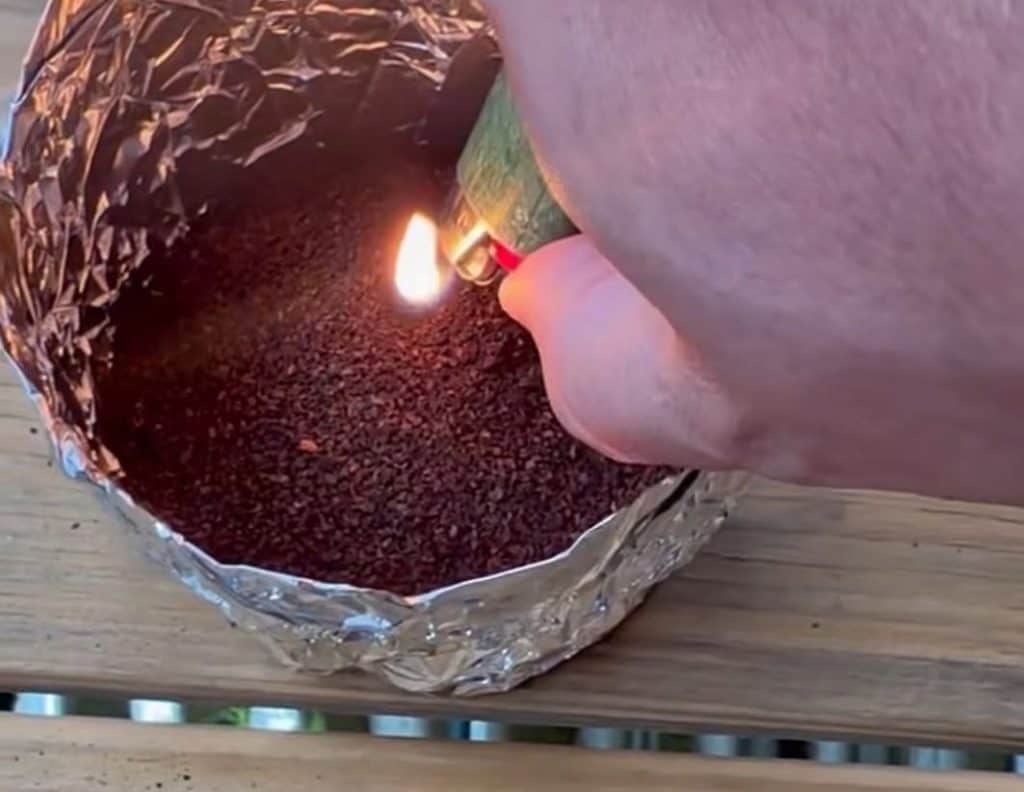
I was a bit taken aback when I first came across this, so I put it to the test before I’d put it in here.
You take some dried coffee grounds, put them in a small dish that can handle the heat and set them alight. They don’t so much burn as they do smoulder, and the smoke they give off is something mosquitoes won’t like. It’s no trick, but you have to be close to it — say, within two metres or so. And the air has to be dead calm; even a little wind will blow the smoke away and you’re back to square one.
So for a quiet night at the table it’s fine, but don’t count on it for a big open garden or where there’s a draft. Consider it your no-cost, natural version of a citronella candle.
🔥 Would you like to save this?
If you’ve got an evening out planned, hold off on putting your used grounds in the compost for a while. Lay them out on some foil to make sure they are bone dry (they need to be) and you’ll be all set for when you want to use them.
Citronella — Honest Assessment

You won’t find a more popular way to keep mosquitoes at bay in the yard than with citronella candles and torches. They do the job, but there are some things to be aware of.
The stuff in citronella will put off a mosquito, sure. It’s just a matter of how much of it you can get into the air. A candle gives off a wisp of vapour that’s gone in an instant if there’s any kind of draft. If you look at the research, you’ll see they only have any real effect in the foot or so around them, and even then only when it’s dead calm.
Put simply: fine for a quiet night at a little table. But don’t count on one for a garden party, or if the wind is up, or if you want to cover more ground than your own chair.
Think of them as an add-on, not the answer. They’re nice to have and they’ll help out up close, but I wouldn’t make them your first line of defence.
Plants
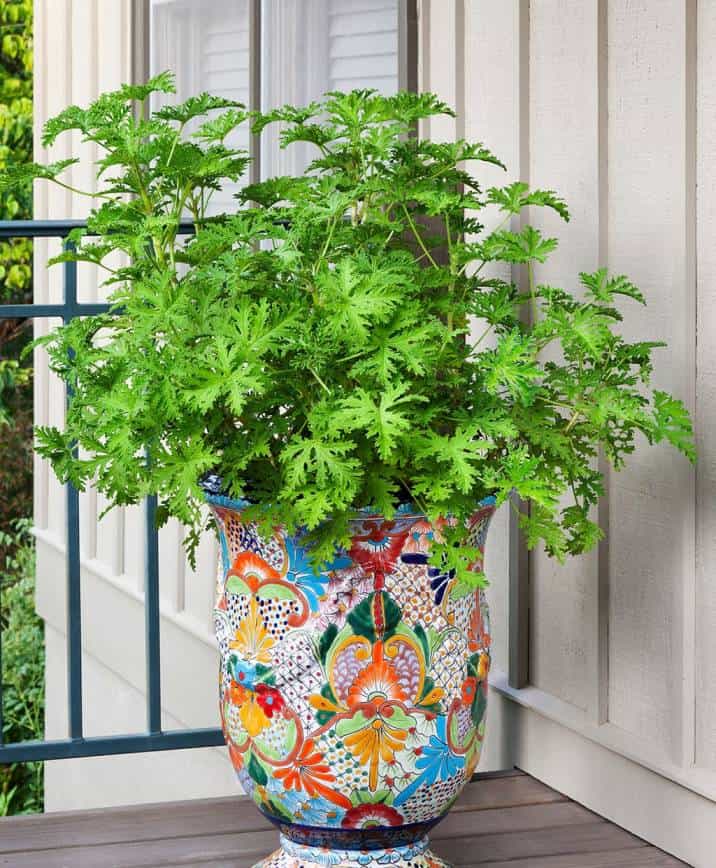
I have covered this in detail in a separate article — the lavender, the lemon balm, the basil, the rosemary, the marigolds and what each one actually does versus what people claim it does.
The short version: aromatic plants with volatile oils create a mild deterrent zone around them. They work best in combination and positioned close to where you sit. They are not a complete solution on their own but they contribute to a layered approach and they make the garden more beautiful at the same time.
If you haven’t read that article, it’s here. The honest assessment of what works and what’s overstated is all there.
Ultrasonic Devices — Save Your Money

I’ll be blunt: there’s a lot of hype around ultrasonic mosquito repellers, and the data to the contrary is hard to miss.
You can put it down to any number of studies, some from the American Mosquito Control Association, that have put these gadgets to the test and come up with the same thing every time: they don’t do much of anything. The theory is that the high-pitched noise they put out is off-putting to a mosquito. In reality, you won’t see a change in their behaviour.
A friend of mine put three in his garden. Made no difference to the mosquitoes.
If you’ve got one, go ahead and let it run. But I wouldn’t go out and get one on the strength of what it’s supposed to do, or think it’s a replacement for the other things we’ve been over that you can count on.
Bug Zappers — Also Not What You Think
Bug zappers will put an end to insects, no question about it. But the issue is what kind of insects you’re putting an end to.
If you look at the studies, you’ll find that for the most part, these UV-lit grids are mowing down moths and beetles — the inoffensive or even helpful kind. As for mosquitoes? They’re a minuscule part of the equation, usually under one percent.
That’s because a mosquito is after your scent, not a light. They home in on carbon dioxide and body odour; they don’t have the same pull to a UV bulb as a moth does. So with a zapper in the yard, you’re culling off the good stuff and the mosquitoes are left to their own devices.
I wouldn’t do it.
CO2 Traps
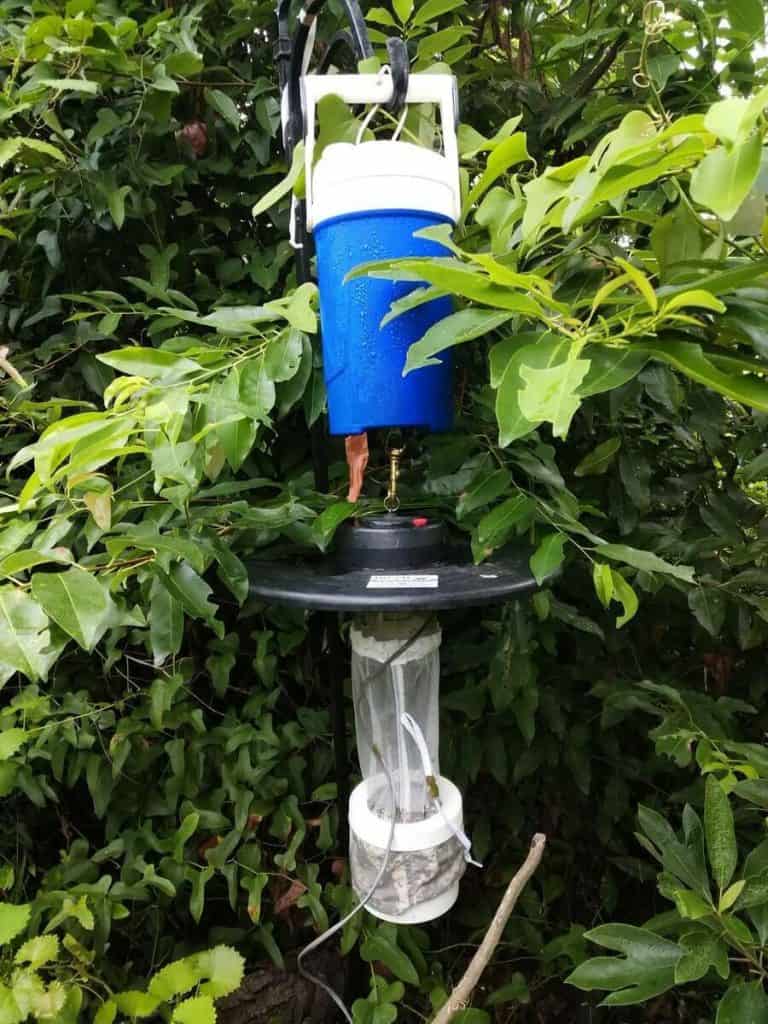
You could put in for a CO2 trap if you want the heavy hitter of the bunch. These things are designed to put on a human-like show: they put out some carbon dioxide and heat, and in some cases octenol from sweat, to draw in the mosquitoes and put them down. They’re not like a zapper that goes after everything; they go after what you want.
The downside is the price tag — they run you more than anything else here. And they’re really for a big space; you don’t need one for a modest patio. But in a large garden with a bad case of them, you’ll see a change in the numbers over the course of a season.
If you have the means and the issue is that bad, by all means, look into it. But for the average gardener, you can get more done for a lot less with some Bti, a little permethrin and by just getting rid of the standing water.
The Complete System
This is how we handle things in Volos, with the most effective measures first:
We put a mosquito dunk in any standing water and change it out of a month. We get rid of any puddles we can. Then there’s the permethrin on the plants around the edge of the terrace and property; we do that every few weeks. In the evenings when we’re out, the fan is on. We’ve also put some lavender, lemon balm and rosemary in by where we sit. And if it’s a still night, you’ll find us with some coffee grounds burning at the table.
You won’t see any ultrasonic gadgets or a bug zapper here. We might put out a citronella candle now and then for good measure, but we don’t count on it.
All told, it’s made a world of difference to the garden. We used to be getting bitten left and right, now we can put in a few hours out there without much of an issue. I’m not going to say we have zero mosquitoes in a Greek summer, that’s just not how it is. But we’ve turned it into a space you can use, as opposed to something you have to put up with. That’s what we’re after and we’ve got it.
A Final Thought
What I’ve come to realize with mosquitoes in the garden is that you can’t just put a band-aid on it. It’s a system, not a product. You won’t find some magic item to buy or unbox and have the issue go away. The ones hawking a one-size-fits-all fix are well aware of that, and so are those of us who have put up with a bad case of them for a few summers running.
You have to be methodical: get rid of the larvae, clear out where they’re hatching, let some air in, put down some treatment on the plants. Stick with it and you’ll have it under control.
I’ll leave it at that. But if you have a trick of your own — a nook you found and put an end to, or a mix that has been a game-changer for you — put it in the comments. A good solution is as unique as the garden you’re in.
Until next time,
Stay safe,
Tasos

I’m Anastasios Moulios, co-founder of DIY Cozy Living. I enjoy finding creative, practical ways to make small spaces feel warm, stylish, and lived-in. I started this blog with Katerina to share real ideas that make a home feel a little more personal and a lot more comfortable.
