
How to Make Your House Smell Like Christmas (7 Natural Ways)


There is a specific smell that hits you in December and makes everything feel like Christmas. It is not one thing. It is orange peel and cinnamon and something resinous underneath, pine maybe, or cedar.
It is the smell of a kitchen that has been baking and a living room with a real tree and something warm on the hob. You walk into someone’s house and it hits you before you see a single decoration and the season starts right there, in that doorway.
I spend a disproportionate amount of December chasing that smell. The artificial sprays never do it. The plug-ins smell like a cleaning product pretending to be a forest. The expensive scented candles are better but they fade and they cost twelve euros to burn for four hours. What works, consistently and cheaply, is going back to the ingredients themselves.
These are the seven methods we use, in order of how much impact they have.
1. The Simmering Pot
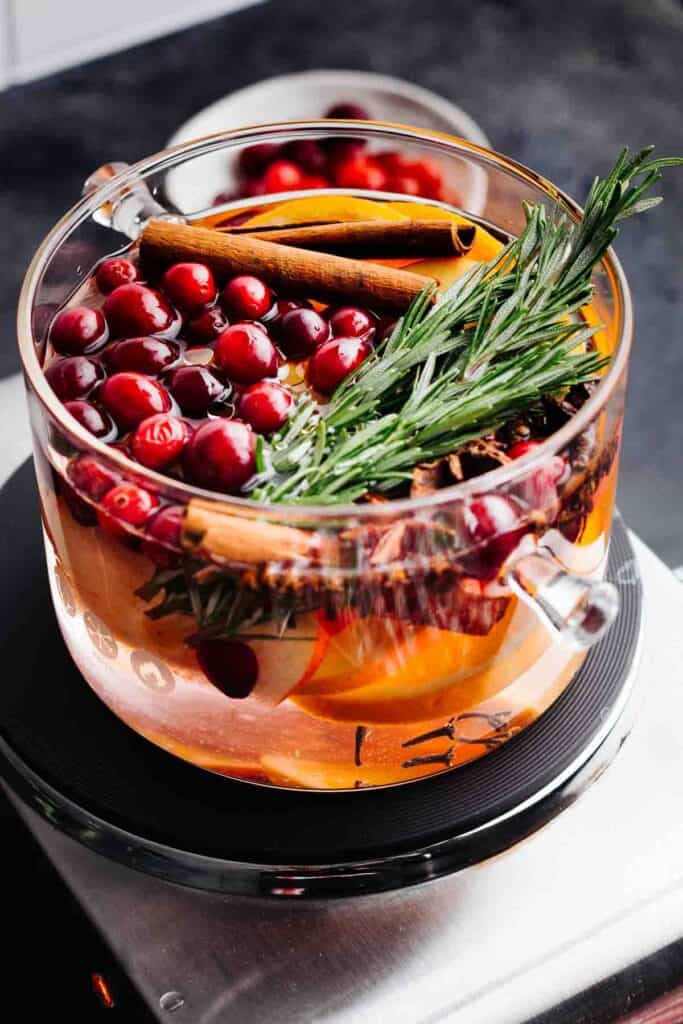
The fastest and most dramatic thing you can do to make your home smell like Christmas in under twenty minutes. A pot of water on the hob with the right ingredients fills every room in the house, not just the kitchen, and the smell intensifies as the water heats and the oils in the ingredients release.
The classic Christmas combination:
- 1 orange, sliced into rounds
- 3 cinnamon sticks
- 1 tablespoon whole cloves
- A few sprigs of fresh rosemary
- 1 teaspoon vanilla extract (add this last, once simmering)
- Water to cover
Place everything in a small saucepan, cover with water, bring to a gentle boil, then reduce to the lowest possible heat. Top up with water every hour or so. The pot can simmer for four to six hours and can be refrigerated overnight and restarted the next day for two to three more uses.
Variations for different Christmas moods:
| Mood | Ingredients |
|---|---|
| Classic Christmas | Orange, cinnamon, cloves, vanilla |
| Pine forest | Fresh pine needles, cedar, juniper berries, rosemary |
| Spiced apple | Apple slices, cinnamon, star anise, cardamom |
| Gingerbread | Ginger slices, cinnamon, nutmeg, brown sugar, vanilla |
| Cranberry orange | Fresh cranberries, orange peel, cinnamon, cloves |
Key tip: The vanilla extract is what makes a Christmas simmer pot smell expensive rather than just spiced. Add it after the water is already simmering or it loses its depth.
The full recipe with precise measurements and step-by-step instructions is in our simmering pot recipe post.
2. Fresh Greenery

A real Christmas tree is the most obvious source of the Christmas smell and the most underused. Most people put the tree up and leave it. The smell is actually highest when the needles are disturbed or when heat from nearby lights warms the oils in the branches.
If you do not have a real tree, fresh greenery from a florist or garden centre costs almost nothing and does the same job. A bunch of fresh pine branches in a vase, a eucalyptus wreath on the door, cedar boughs laid along a mantel, any of these release their scent for weeks and the smell is entirely natural.
The greenery that smells strongest:
- Noble fir: The classic Christmas tree scent, strong and sweet
- Fraser fir: Lighter, slightly citrusy
- Cedar: Warm, woody, and long-lasting even when cut
- Eucalyptus: Not traditionally Christmas but pairs beautifully with pine and spice
- Rosemary: Resinous and warm, works particularly well in the kitchen
Key tip: Mist fresh greenery lightly with water every couple of days to keep it from drying out. Dried-out greenery drops needles and loses its scent. Fresh greenery can hold its smell for three to four weeks with care.
3. Baking and Cooking Intentionally
The Christmas smell that comes from a kitchen in use is not a side effect. It is the point. Cinnamon rolls, spiced biscuits, mulled wine on the hob, roasting citrus in the oven, all of these release fragrance that settles into the whole house in a way that no candle or spray can replicate.
The highest-impact kitchen smells for Christmas:
- Orange peel in the oven: Scatter fresh orange peel on a baking tray and bake at 150 degrees Celsius for thirty minutes. The whole house fills with warm citrus that lasts for hours.
- Cinnamon toast: Toast a piece of bread and press a buttered, cinnamon-sugar side down briefly on a warm pan. The smell is immediate and intense.
- Mulled wine or cider on the hob: Warm with orange, cinnamon, star anise, and cloves. Drink it or just let it go for the smell.
- Vanilla baking: Even a simple cake or biscuit recipe with vanilla essence creates the sweet warmth that reads as festive.
Key tip: The trick is combining smells, not layering them from the same source. Orange in the oven, cinnamon on the hob, and a real tree in the next room create a more convincing Christmas atmosphere than any single method alone.
4. DIY Room Spray
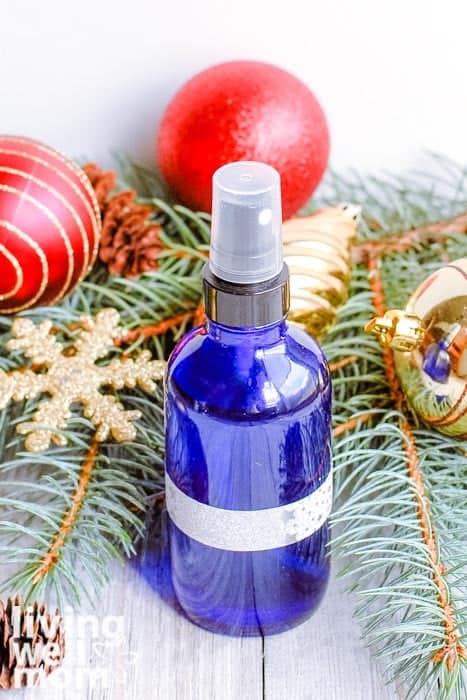
A room spray you make yourself costs almost nothing and works faster than a candle or a simmering pot in a smaller space. The bathroom, a hallway, a bedroom, these respond better to a spray than a hob-based method.
Basic Christmas room spray recipe:
- 120ml water (distilled or boiled and cooled)
- 2 tablespoons vodka or rubbing alcohol (the carrier that keeps the oils dispersed)
- 15 drops cinnamon essential oil
- 10 drops orange essential oil
- 5 drops clove essential oil
- 5 drops vanilla essential oil
Combine in a small spray bottle, shake before each use, and spray into the air rather than directly onto fabric (essential oils can stain). Shake each time since the oils will separate.
Key tip: The alcohol is not optional. Water-only room sprays grow mould quickly and the oil separates and clogs the spray nozzle. Even a small amount of vodka keeps it stable for weeks.
🔥 Would you like to save this?
5. Essential Oil Diffuser Blends
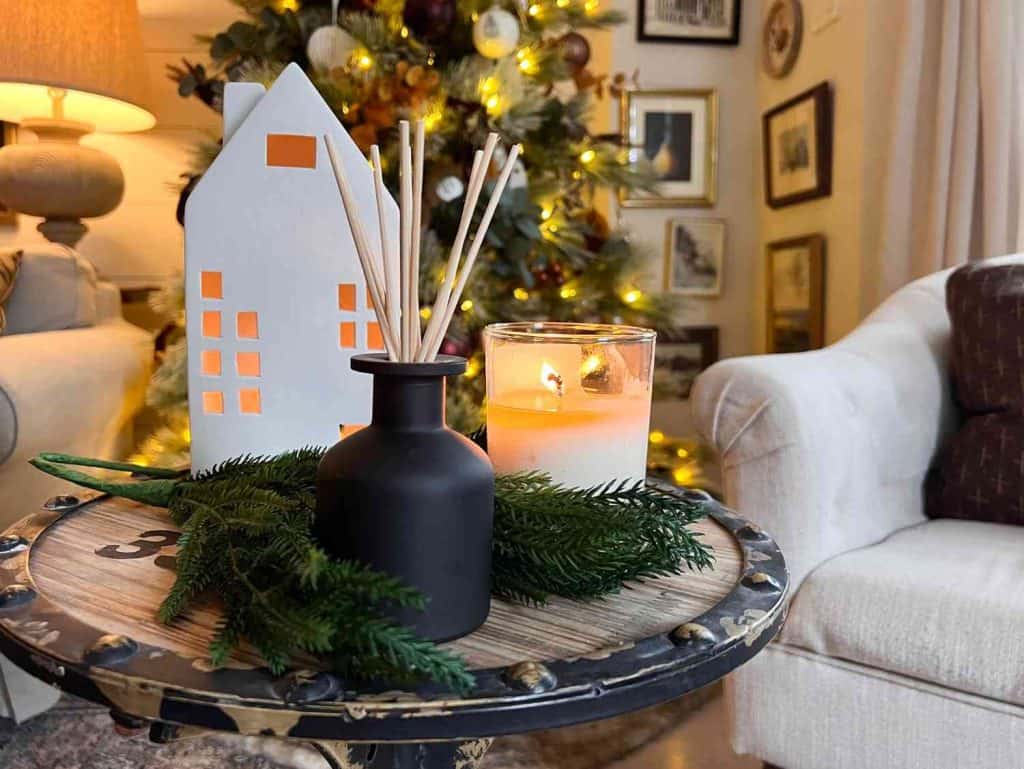
A diffuser runs quietly in the background and keeps a room smelling consistently good for hours without any attention. The right Christmas blends are simple and use only three or four oils.
Christmas diffuser blends (drops per session):
| Name | Oils | Drops |
|---|---|---|
| Classic Christmas | Cinnamon, orange, clove | 4 + 4 + 2 |
| Winter forest | Pine, cedarwood, frankincense | 4 + 3 + 3 |
| Cozy kitchen | Vanilla, cinnamon, nutmeg | 4 + 3 + 3 |
| Candy cane | Peppermint, vanilla | 5 + 5 |
| Mulled wine | Orange, clove, cinnamon, ginger | 3 + 3 + 2 + 2 |
Key tip: Cinnamon and clove essential oils are potent and can be irritating in high concentrations, particularly for children, pets, and anyone with respiratory sensitivities. Start with fewer drops than you think you need and build up gradually.
6. Dried Orange and Spice Garlands
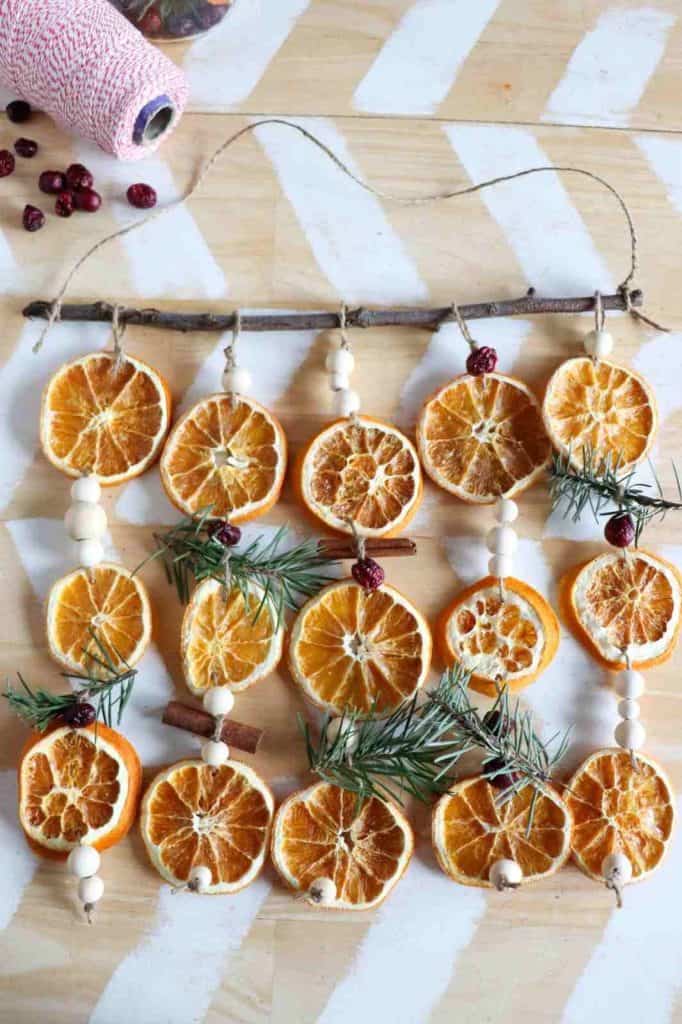
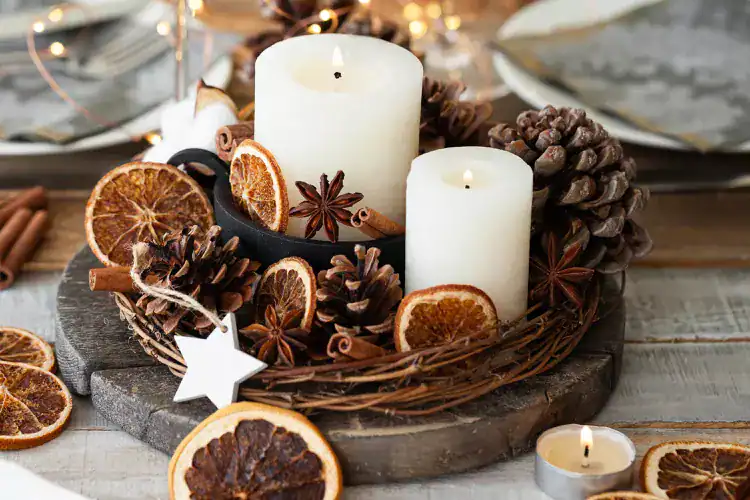
Decorative garlands made from dried orange slices, cinnamon sticks, and star anise do two things at once: they look beautiful and they release a gentle, constant Christmas scent as the air moves around them. Hung near a heat source like a radiator or a warm lamp, the scent intensifies.
How to dry orange slices:
- Slice oranges into rounds about half a centimetre thick
- Pat dry with a clean cloth to remove surface moisture
- Lay on a wire rack on a baking tray
- Bake at 80 degrees Celsius for four to six hours, turning once halfway through
- They are ready when they are dry to the touch with no sticky residue
- Cool completely before threading
Thread the dried slices onto twine with cinnamon sticks and star anise between each orange. Hang across a mantel, a staircase banister, or along a shelf.
Key tip: A light brush of cinnamon essential oil on the cinnamon sticks after drying refreshes the scent and makes the garland smell stronger. Reapply every two weeks.
7. Scented Candles Used Strategically

Candles are the most obvious Christmas scent method and also the one most people use least effectively. One candle in one room does very little. The strategic version is more interesting.
What actually works with candles:
- Burn three or four candles in the same room for the first thirty minutes, which is when the scent is strongest, then move them to different rooms to carry the smell through the house
- Choose candles with a high fragrance load (natural wax candles, soy or beeswax, carry scent better than paraffin)
- Trim the wick to 5mm before each burn for a cleaner, stronger scent throw
- Let the wax pool reach the edges of the jar on the first burn or the candle will tunnel and waste half the wax
The best Christmas candle scents: Orange and clove, fir and cedar, frankincense and myrrh, cinnamon and vanilla, spiced mulled wine.
What kills the Christmas candle smell: Burning in a room with competing cooking smells, a wick that is too long (it smokes rather than scenting), and a draught that pulls the scent away before it settles.
What Kills the Christmas Smell
Getting these methods to work requires removing what competes with them as much as adding the right ingredients.
- Synthetic air fresheners used before or alongside natural methods. The artificial base notes fight with the natural ones and create an unpleasant combination.
- Cooking smells from the night before. Garlic, fish, and heavy cooking linger in soft furnishings. Ventilate the kitchen fully the night before you want the house to smell Christmas-specific.
- Poor ventilation. Counterintuitively, a room that is never aired out becomes nose-blind to its own smell. Air the room briefly before adding Christmas scent and the freshness makes the new smell land harder.
- Competing smells from different rooms. A simmering pot in the kitchen smells different from a pine diffuser in the living room. Choose one dominant scent profile for the whole house rather than a different one per room.
Frequently Asked Questions
How long does a simmering pot last? One batch simmers actively for four to six hours. Refrigerate overnight and restart with fresh water the next day for two to three more sessions before the ingredients lose their potency.
What is the strongest natural Christmas scent? The combination of orange, cinnamon, cloves, and vanilla in a simmering pot produces the most intense and most convincing Christmas smell of any natural method. Fresh pine greenery is the closest to a real tree.
How do I make the Christmas smell last longer? Layer multiple methods. Fresh greenery provides a constant background note. A simmering pot creates the intense foreground smell. A diffuser maintains it overnight. Each one reinforces the others rather than competing.
Are essential oils safe around children and pets? Cinnamon, clove, and nutmeg essential oils should be used in low concentrations around children and avoided entirely around cats, who cannot metabolise certain compounds. Diffuse in a ventilated room and never apply directly to skin or surfaces pets contact.
Can I make the Christmas smell without a simmering pot? Yes. Fresh greenery plus dried orange and spice garlands plus one well-chosen candle creates a convincing Christmas atmosphere with no hob required.
The first year I got the smell right, Tasos walked through the door and said it smelled like someone else’s grandmother’s house in the best possible way. I took that as a success. It was orange slices in the oven, a cinnamon pot on the hob, and a bunch of pine branches I had cut from the market stuffed into a tall vase in the hallway. Nothing expensive. Nothing artificial. Just the right things in the right combination.
That is the whole method. The smell of Christmas is not one product. It is a recipe.

I’m Katerina Lithopoulou, co-creator of DIY Cozy Living. I’ve always loved the little things that make a space feel special. With a background in language and a passion for photography and cozy design, I enjoy turning everyday inspiration into simple ideas people can actually use.
My motto: “Cozy isn’t a trend — it’s a feeling.”
